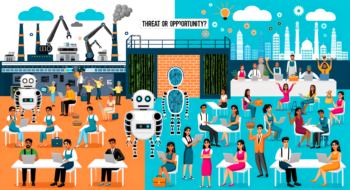
AI Brain Fry: Study Reveals Mental Drain Threatening Workers
In an age where artificial intelligence is becoming increasingly integral to the workplace, a recent study highlights a concerning phenomenon termed “AI Brain Fry.” This mental strain affects nearly 39 percent of employees utilizing AI tools, leading to a significant increase in major mistakes. As the demand for AI proficiency grows, the mental drain threatening workers could have serious implications for productivity and decision-making. Understanding AI Brain Fry is essential for organizations aiming to foster a healthier work environment and mitigate the risks associated with cognitive overload in the digital age.
The Rise of AI in the Workplace
Artificial intelligence has undoubtedly transformed the landscape of work as we know it. From automating repetitive tasks to enhancing decision-making capabilities, AI applications are promising to boost efficiency and effectiveness across various sectors. However, as we dive deeper into this technological revolution, concerns about the psychological toll this innovation takes on workers are beginning to surface. Workers are finding themselves in a complex relationship with AI systems that often requires rapid adaptation and continuous learning, which can lead to mental fatigue.
Understanding AI Brain Fry
What exactly is AI Brain Fry? This term refers to the overwhelming cognitive load placed on employees who actively work with artificial intelligence systems. The recent study found that nearly four out of ten employees reported experiencing a significant strain on their mental faculties, ultimately compromising their performance. To put it simply, when individuals overextend themselves in trying to keep up with AI tools and their demands, they begin to feel mentally fried.
- Cognitive Overload: Prolonged exposure to AI and its associated tasks can result in workers feeling overwhelmed, leading to decreased efficiency and creativity.
- Increased Errors: The study reported that mental fatigue can lead to a concerning uptick in mistakes, resulting in costly repercussions for organizations.
- Burnout Risks: Just like physical exhaustion, mental exhaustion can lead to burnout, affecting not only individual employees but team dynamics and workplace culture.
The Cost of AI Brain Fry
As organizations continue their march towards an AI-enabled future, understanding the implications of AI Brain Fry is vital. The mental drain that employees experience not only disrupts individual productivity but can also ripple through entire teams and projects. With nearly 39% of employees already feeling the pressure, organizations face potential hidden costs that may drastically affect their bottom line. The study underscores that cognitive overload doesn’t just impair productivity; it can lead to serious errors that may spiral into bigger issues.
Statistics to Consider
- 39% of employees report experiencing AI Brain Fry in the workplace.
- 50% of those surveyed believe their productivity has decreased due to cognitive overload.
- 25% of employees noted a significant increase in errors while using AI tools.
These statistics paint a troublesome picture: a large portion of the workforce may be operating at reduced potential due to the cognitive strain induced by their AI interactions. The systems designed to facilitate work are inadvertently becoming sources of stress for many employees.
Mitigating AI Brain Fry
With such an alarming trend, what can organizations do to alleviate the mental strain inflicted by AI? Here are some methods that workplace leaders can implement to promote a healthier work environment:
- Regular Training: It is essential to offer consistent training sessions to employees on how to use AI tools effectively to reduce confusion and stress.
- Promote Breaks: Encourage employees to take regular breaks away from AI tools, allowing them to recharge mentally and avoid cognitive overload.
- Resource Accessibility: Provide easy access to resources on AI tools so employees can quickly address concerns without feeling overwhelmed by the technology.
- Foster Open Communication: Create an open dialogue around AI challenges and promote a culture where employees can express their stressors without fear of repercussions.
- Implement AI Responsibly: Companies should use AI judiciously, ensuring it complements human intelligence rather than overwhelming it.
By implementing these strategies, organizations can make strides in not only combating AI Brain Fry but also enhancing employee well-being overall. The truth is, a happy and healthy worker is a productive one, and understanding the effects of AI on mental health is a crucial step toward fostering a supportive workplace.
The Role of Leadership
Leadership plays a pivotal role in combating AI Brain Fry and its ramifications. By being sensitized to the mental demands of using AI tools, leaders can take a proactive approach to their teams’ wellbeing. Creating a nurturing culture revolves around validating concerns and allowing employees to voice their frustrations could encourage earlier conversations about mental health and workload management. Leadership should recognize that while AI may enhance productivity, unmanageable workloads can lead to burnout and disengagement, which can adversely affect the organization’s performance.
Investing in Employee Wellbeing
To create a supportive environment, leaders might also consider investing in tools and resources that address mental health concerns. Initiatives such as mental health days, access to counseling services, or wellness workshops can go a long way in showing employees that their well-being is a priority. When team members feel supported, they are more likely to engage positively with the technology at their disposal and harness its potential without succumbing to the pressures of AI Brain Fry.
Future Implications of AI Brain Fry
As artificial intelligence continues to advance, so, too, will the mental challenges associated with it. The future may see even more complex AI systems that require greater cognitive effort from employees. With that in mind, organizations must remain vigilant, continuously monitoring the mental health of their workforce. Businesses that embrace innovation while valuing employee well-being will be far better positioned for sustained success. Keeping an eye on AI Brain Fry and its effects will be crucial as we navigate the evolving landscape of work.
Conclusion
The eruption of AI technologies into common workplace applications has brought about remarkable opportunities for efficiency and effectiveness. However, the emergence of AI Brain Fry signifies a dire need for awareness regarding the mental toll exacted on workers. By acknowledging this phenomenon, organizations can implement strategies that not only combat cognitive overload but ultimately support their valuable assets: their employees. In doing so, we cultivate a workforce that can thrive alongside AI innovations without sacrificing mental health or workplace productivity.
As we advance into this AI-enhanced future, let us not forget the importance of creating an environment that values mental well-being. Awareness, education, and support systems can make a world of difference, ultimately leading to a more productive and healthier workplace. Let’s champion new mental health initiatives and foster a culture where AI serves its purpose without draining our most valuable resource—our minds.
For more information on mental well-being in the workplace, visit Neyrotex.com.