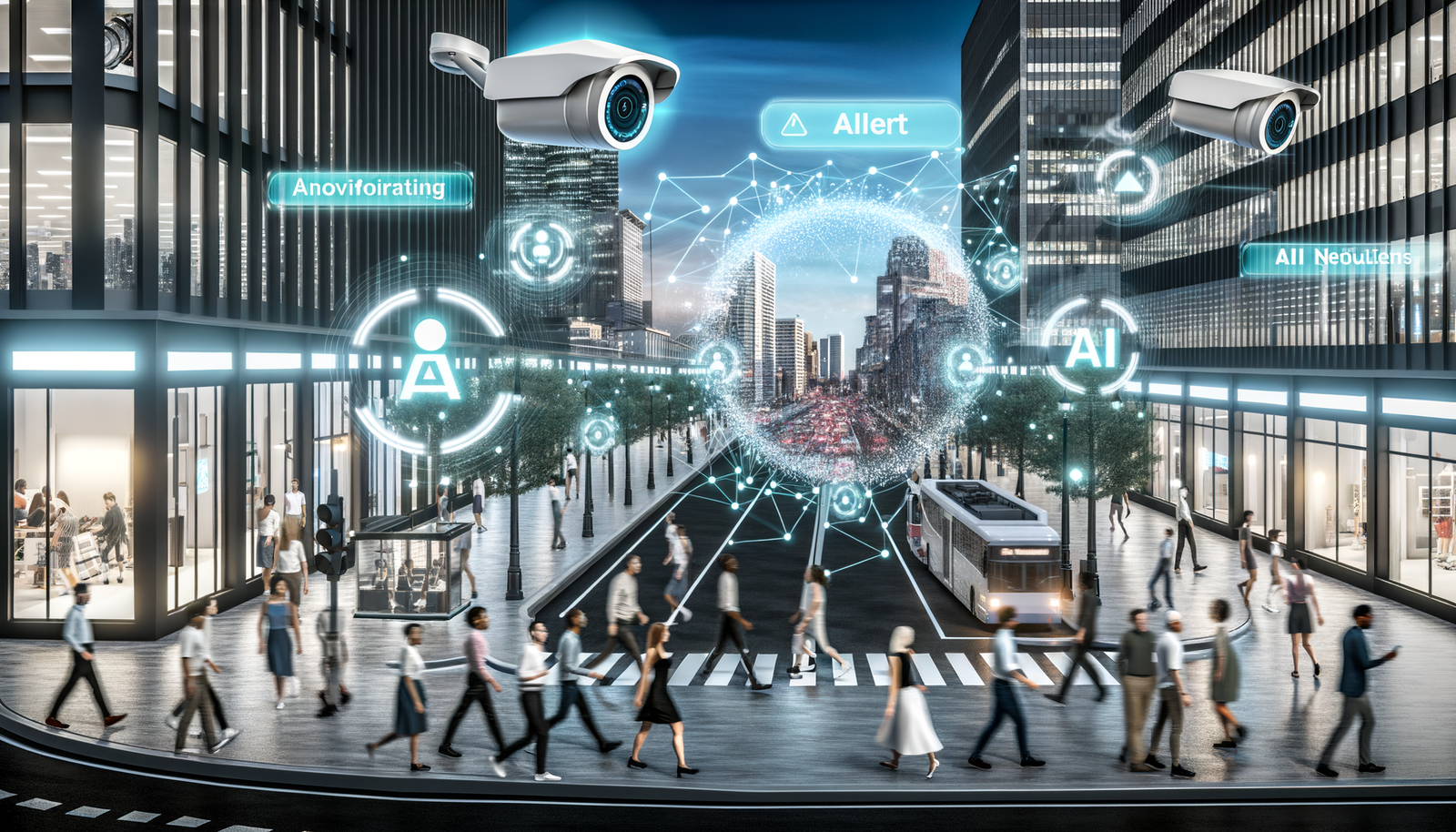
In our increasingly connected world, the rise of AI City Cameras has brought about significant advancements in urban surveillance. However, these camera systems come with a hidden cost: alarming privacy risks. These sophisticated technologies create a mass location tracking infrastructure, seamlessly knitted together by artificial intelligence. While they promise enhanced security and traffic management, the implications for personal privacy are concerning. As we delve deeper into this topic, it becomes crucial to explore both the benefits and potential dangers posed by the ever-expanding network of AI-driven surveillance in our cities.
AI City Cameras: Unveiling Alarming Privacy Risks!
Imagine walking down a bustling street in your city, the hum of life surrounding you—the laughter of children, the rhythm of heels hitting the pavement, the revving of engines—all while countless eyes are watching your every move. These eyes are not human; they are the latest in urban surveillance technology: AI city cameras. In recent years, the deployment of these sophisticated cameras has transformed how our cities monitor and manage public spaces. Champions of this technology argue it’s all about safety, security, and efficiency. But at what cost? The privacy implications of AI city cameras are profound and multifaceted, ushering in an era of unprecedented surveillance.
The Power of AI in Urban Surveillance
AI city cameras go beyond the rudimentary function of mere observation. Powered by artificial intelligence, these systems can analyze video feeds in real time, identifying patterns and significant behavioral cues. This technology can help police monitor criminal activity, manage traffic congestion, and detect unusual behavior or emergencies, seemingly making urban environments safer. It sounds like a superhero solution, doesn’t it?
- Real-Time Analytics: Using machine learning algorithms, these cameras can predict potential incidents, alerting law enforcement before a situation escalates.
- Traffic Management: AI can monitor traffic patterns, adjusting signals and rerouting vehicles efficiently to minimize congestion.
- Enhanced Safety: Smart cameras can swiftly detect accidents or emergencies and immediately notify relevant authorities.
According to the International Data Corporation, the global market for AI in surveillance is expected to reach a staggering $117 billion by 2025, as cities around the globe rush to adopt these cutting-edge systems. With so much investment, one can understand why the push for AI city cameras is gaining traction. It’s a tempting proposition for city planners who wish to tout reduced crime rates, improved traffic flow, and a sense of safety. But beneath the surface lies a darker narrative.
Privacy in Peril
As we embrace the benefits brought by AI city cameras, the question arises—what price are we paying in terms of privacy? The seductive appeal of enhanced security often clouds our judgment when it comes to the inherent risks involved. The fundamental privacy dilemmas catalyzed by these technologies include:
- Constant Surveillance: Every moment spent in public areas may be recorded, raising concerns about the right to privacy and how our intimate life is captured without consent.
- Data Collection: Personal information, including location data, can be analyzed and stored, leading to potential misuse or unauthorized access by third parties.
- Digital Footprints: The extensive data collected contributes to creating extensive personal profiles that, when combined, can provide an unsettling amount of knowledge about an individual.
The implications may go beyond mere inconvenience; they threaten civil liberties. Research suggests that citizens become more guarded and self-censoring within environments filled with surveillance cameras. The idea of being constantly watched alters behavior, hindering the natural dynamics of public expression and social interaction.
The Ethical Quandary
The ethics surrounding AI city cameras open up an entire philosophical can of worms. They’re akin to the proverbial double-edged sword; while they can enhance public safety, they also pose significant ethical dilemmas regarding how cities balance security with a respect for individual freedoms. Social critics argue that without strict regulations and transparency, these systems pave the way for erroneous biases and discrimination.
- Bias and Discrimination: AI systems can perpetuate and amplify existing societal biases, leading to disproportionate targeting of specific communities.
- Lack of Accountability: If something goes wrong—a misidentification or an unwarranted arrest—who is held responsible? The lack of clear accountability in the deployment of AI city cameras can lead to grave injustices.
- Public Dismay: Often, city officials make decisions to install these systems without consulting the communities they serve, undermining their trust in local governance.
In the absence of a clear ethical framework, public dissent is inevitable. The rollout of AI city cameras has sparked protests, debates, and fueled fierce discussions among privacy advocates and civil liberties organizations. The tug-of-war between safety and privacy continues to escalate, revealing deeper societal tensions and the urgent need for policymakers to find a balance.
Navigating the Future: Balancing Safety and Privacy
While AI city cameras herald an era of cutting-edge surveillance, approaching their deployment requires careful consideration and foresight. Many researchers advocate for implementing regulations that prioritize citizens’ rights and establish guidelines for accountability, transparency, and data protection.
- Public Engagement: Local governments should involve communities in decision-making processes to ensure that residents have a say in surveillance practices within their neighborhoods.
- Data Encryption: Protecting the personal data collected by AI surveillance can minimize the risk of misuse and unauthorized access to those sensitive records.
- Establishing Oversight Bodies: Independent review boards can oversee the ethical implications of AI city camera use, ensuring that parameters are in place to prevent abuse.
Moreover, technology companies must also take responsibility for the software they develop. As the creators and implementers of these systems, they should embody ethical leadership that safeguards personal privacy and civil liberties in their innovations.
A Balancing Act
The discussion surrounding AI city cameras is not black and white but a tapestry woven with shades of gray. Striking the right balance between leveraging the capabilities of AI for public safety while safeguarding individual privacy is crucial. A responsible approach can maximize the benefits of the technology while minimizing its risks. Just as society has created legislation around issues such as data protection and consumer rights, similar frameworks must be applied in the realm of surveillance.
As tech-savvy citizens, we play a vital role in driving conversations surrounding technology and privacy. Our voices can shape policies, and our interest can hold both public officials and corporations accountable. This evolving dialogue may very well determine how we navigate the challenges posed by AI city cameras today and in the future.
At the end of the day, it’s about finding harmony between progress and protection—a middle ground where public safety thrives without imposing undue burden on the rights of individuals. Only then can we truly feel secure in our cities without sacrificing our fundamental freedoms.
For insights into enhancing your understanding of AI technologies and their impact, check out Neyrotex.com.