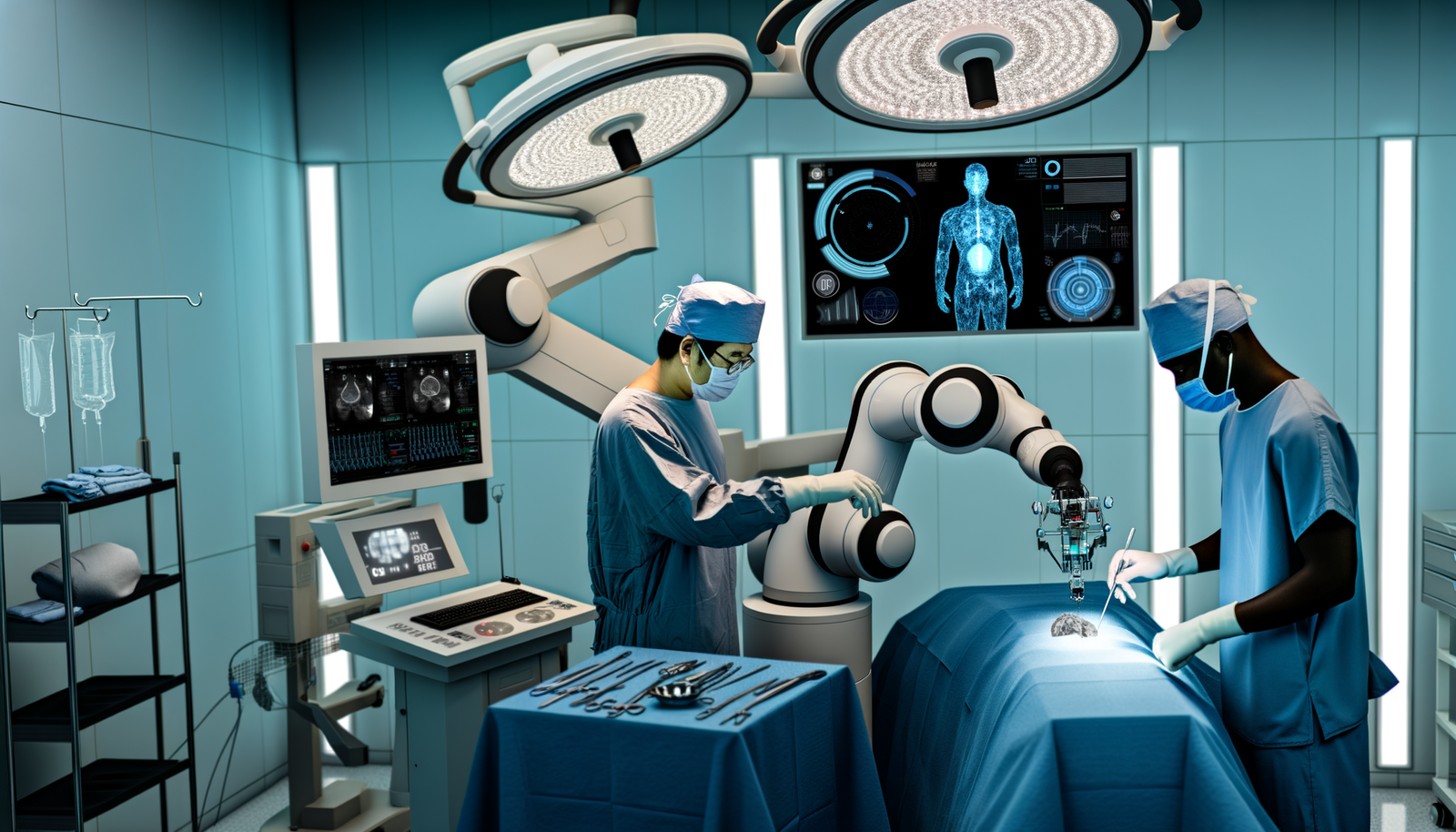
Robotic surgery has transformed the landscape of medical procedures since its inception in the 1980s. With the introduction of laparoscopic tools, surgeons could perform minimally invasive procedures, significantly reducing incision sizes and recovery times. Now, revolutionizing healthcare further, AI-powered robotic surgery breakthroughs are setting new standards in precision and efficiency. These advancements not only enhance surgical outcomes but also elevate the overall patient experience, paving the way for smarter, safer surgical techniques. As we delve into the evolution of robotic surgery, it’s evident that technology continues to reshape the future of medicine.
Revolutionizing Healthcare: AI-Powered Robotic Surgery Breakthroughs
In a world where artificial intelligence (AI) thrives at the forefront of technological advancement, healthcare is experiencing a phenomenal transformation. When it comes to surgery, the intersection of AI and robotics is not merely a trend—it is a paradigm shift that promises to revolutionize not just surgical procedures, but patient care as a whole. From enhancing precision to analyzing vast data streams, AI-powered robotic surgery breakthroughs stand as the harbingers of a new era.
The Surge of AI in Surgery
It’s astonishing to think how far medical technology has come, especially in the realm of surgery. Gone are the days when a surgeon relied solely on manual dexterity and experience. The integration of AI into robotic systems is invoking a sense of high-tech magic that is redefining what we believed was possible in operating rooms. With intelligent machines assisting surgeons, the surgical field is becoming more about surgical collaboration between human intuition and machine learning.
Precision Redefined
Surgical precision is paramount, and AI has stepped up to the plate, ensuring that procedures are carried out with unprecedented accuracy. For instance, AI algorithms can analyze a patient’s medical history and current health status, alongside complex data gleaned from imaging studies like MRIs and CT scans.
One groundbreaking advancement is the **AI-Assisted Image Recognition** feature. Surgeons can identify and visualize the intricate anatomy and surrounding structures better than ever before. A robotic system, for instance, can overlay digital reconstructions of organs onto the surgeon’s visual field, providing critical guidance during surgery. Imagine a world where what used to be difficult becomes manageable, and what was difficult becomes trivial.
Automated Surgical Techniques
To imagine the future of surgery is to envision robots that can autonomously perform certain procedures. For example, the development of **robotic systems** such as the da Vinci Surgical System has made a remarkable impact in areas like urology, gynecology, and general surgery. These machines not only limit blood loss but also enhance recovery times and minimize post-operative pain.
AI plays a crucial role in augmenting these robotic systems with features that allow for automated techniques. One example is the ability of these robotic systems to adapt operational parameters in real-time based on patient reactions and physiological feedback. These systems continuously learn from each operation and modify their approach for improved outcomes, making surgeries not just more efficient but also personalized.
The Data Revolution
It is an age-old adage that knowledge is power. In the realm of healthcare, data is the new goldmine. AI is adept at collecting and processing large volumes of data—in a flash. This ability poses significant advantages for robotic surgery. As healthcare systems accumulate troves of surgical data, AI systems leverage this information for predictive analytics and decision-making support.
- Identifying Patterns: AI can sift through historical data to identify patterns and risk factors associated with different surgical outcomes.
- Real-Time Adjustments: During surgery, AI can access this data to suggest real-time adjustments based on the ongoing condition of the patient.
- Post-Operative Care: After surgery, AI tools can alert healthcare providers to any potential complications or readmission risks based on patient data.
This data-centric approach enables healthcare providers to drastically improve surgical procedures and post-operative care, leading to increased success rates and improved patient satisfaction.
The Human-Machine Partnership
For many, the idea of robots performing surgery evokes a sense of fear or apprehension. However, it’s vital to understand that AI-powered robotic systems are designed to assist—not replace—human surgeons. The partnership between the surgeon and the robotic system can be likened to that of a pilot and a co-pilot, where both parties offer unique advantages to ensure success.
Surgeons are still fundamentally in control of the surgical process, employing their intuition, experience, and judgment. AI augments this capability by providing data-driven insights and operational precision. The intuition of seasoned surgeons combined with data analysis from AI systems leads to a profoundly effective resolution of complex surgical cases.
Best Practices and Safety Measures
While AI-powered robotic surgery breakthroughs present a lot of promises, they also raise concerns about safety and efficacy. Guidelines and practices must adapt to integrate these new technologies while ensuring patient safety remains paramount.
- Training Surgeons: Continuous education is necessary to train practitioners who can navigate this complex interplay between AI and surgery.
- Establishing Protocols: Clear protocols need to be set regarding when and how to utilize robotic systems to ensure that every surgical situation is approached with the utmost care.
- Monitoring Outcomes: Post-operative outcomes should be meticulously monitored to assess the effectiveness and safety of AI-assisted robotic surgery.
By focusing on these best practices, healthcare facilities and practitioners can leverage the advantages of this technology while minimizing risks.
Transforming Patient Experience
One of the most compelling aspects of AI-powered robotic surgery breakthroughs is the positive impact on the patient experience. Less invasive surgical approaches lead to smaller incisions, reduced pain, shorter recovery times, and an overall improved quality of care. Patients can often return home sooner than with traditional surgical methods, getting back to their daily lives faster.
Moreover, the accuracy of AI in predicting surgical outcomes means that patients can expect personalized care aligned with their unique health profiles. It provides peace of mind, knowing that their specific needs are being considered and catered to effectively. Why fret about the unknown when AI can unveil the future of one’s surgical journey?
The Future is Bright
As we peer into the future, the landscape of surgery will likely continue evolving alongside advancements in AI and robotics. The potential benefits seem boundless with upcoming technologies like AI-enhanced imaging, augmented reality, and machine learning algorithms that can make real-time adjustments to surgical interactions. Just as chatbots have revolutionized customer service, AI in surgical practice is set to elevate the standard in clinical settings.
In a nutshell, AI-powered robotic surgery breakthroughs symbolize the perfect blend of technology and human care. This transformation doesn’t merely promise enhancements in surgical proficiency; it heralds a holistic improvement in the patient experience across healthcare systems. With each robotic system that rolls into an operating room, we can expect a wave of hope, healing, and progress—a refreshing reminder that technology exists to empower us.
In conclusion, embracing AI-powered robotic surgery is not just about the thrill of innovation; it’s about shaping a future in which healthcare is more efficient, precise, and tailored. As the journey unfolds, we remain hopeful that the combined effort of human expertise and machine intelligence will ensure safer and more effective surgical outcomes for generations to come.
For more intriguing insights and medical technology advancements, visit Neyrotex.com.