In the realm of digital creativity, the phrase “everyone’s a critic” takes on new meaning as we witness the rise of AI-generated art. Recently, Microsoft faced scrutiny with its Bing AI Image Generator, prompting a backtrack due to quality issues that left many users dissatisfied with the results. This highlights the delicate balance between innovation and expectation in the art world, where enthusiasts and critics alike weigh in on the merits and flaws of AI creations. As we delve deeper into this fascinating intersection of technology and artistry, we explore the implications for both creators and audiences.
Microsoft’s Challenge with Bing AI Image Generator
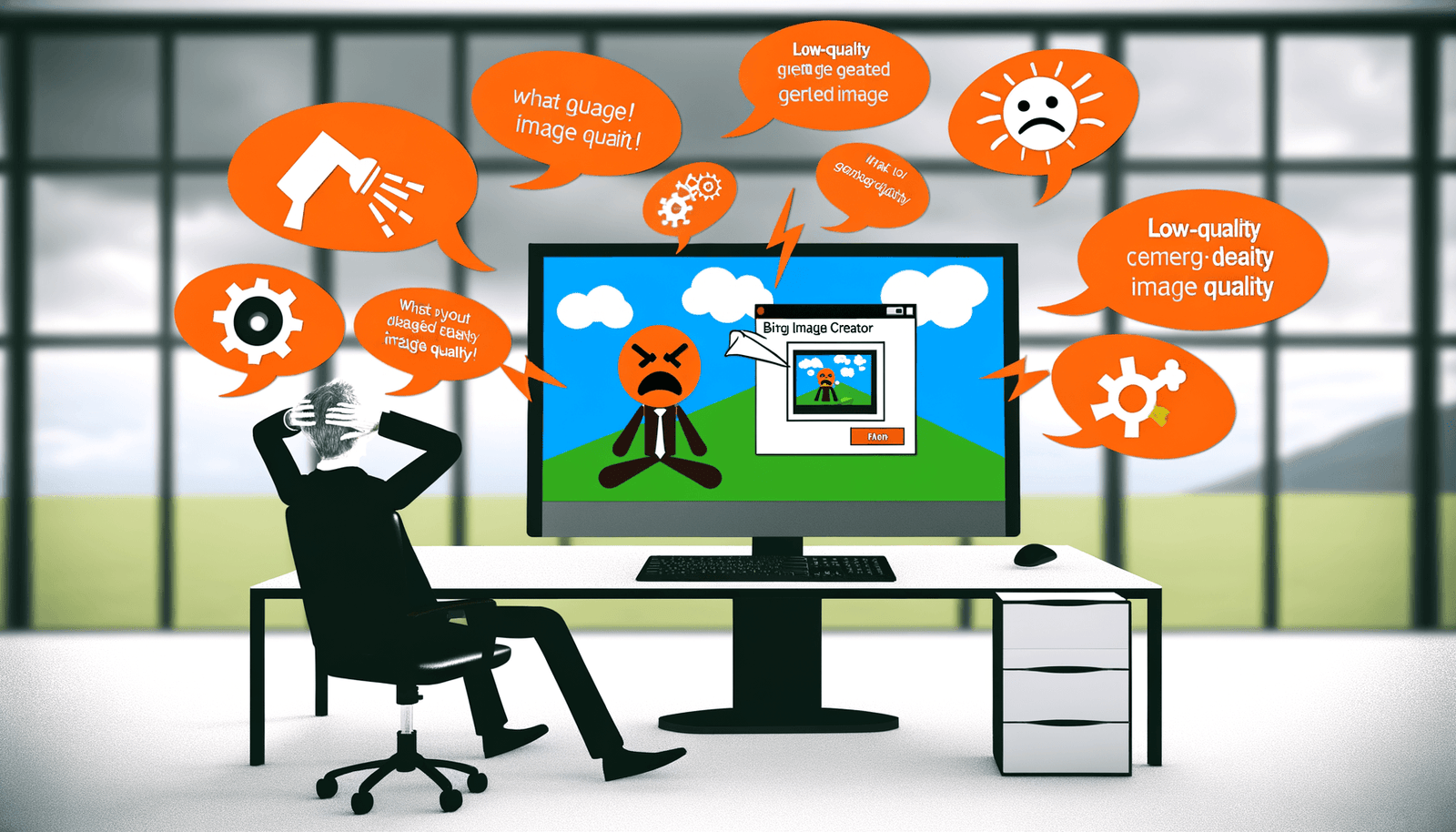
The digital landscape has been eagerly buzzing about Microsoft’s Bing AI Image Generator, a tool that promised users the ability to create stunning visuals with only a few text prompts. With technology advancing at lightning speed, the advent of AI-generated art seemed like a bold step forward in making creativity more accessible than ever. However, what was initially hailed as revolutionary quickly turned sour when users began voicing their concerns about image quality.
In the world of artificial intelligence, where feedback loops can foster rapid improvements, Microsoft found itself in a challenging position. The voice of the user, often passionate and filled with expectation, became a significant catalyst for change—placing immense pressure on the tech giant to refine its offerings. The complaints spotlighted poor quality outputs, which included everything from bizarre distortions to simply unappealing aesthetics. It showcased a divide between the sophistication of AI capabilities and the subjective nature of artistic quality, leading Microsoft to carefully consider its next steps.
Quality Concerns in AI-Generated Art
Grievances about quality weren’t borne out of mere nitpicking; users had valid concerns. The expectations surrounding AI art generation are inherently high, thanks to popular image generators like OpenAI’s DALL-E 3, which set an impressive bar for visual richness and clarity. Reports accumulated of results that lacked detail, coherence, and even basic artistic sensibility, prompting users to voice their disappointment.
- Image Clarity: Muddied visuals and unclear compositions left users puzzled about the capabilities of Microsoft’s offering.
- Creativity Constraints: Many reported that the AI struggled with complex prompts, leading to simplistic or erroneous interpretations.
- Realism and Detail: Users found that subtle details—crucial in art—were either exaggerated or entirely absent in generated images.
This contrast between what was promised versus what was delivered inevitably led to an uproar, sending shockwaves through a community that relishes the liberation of digital creativity and expression. Ultimately, it was this collective voice of the user base that resonated the loudest, prompting Microsoft to reconsider its current strategies and implementations.
The Backtrack and Its Implications
Facing mounting pressure, Microsoft made the difficult decision to revert some of the changes made to the Bing AI Image Generator in response to user feedback. This backtrack serves as a poignant reminder of how user expectations can shape product development. The team at Microsoft emphasized their commitment to not only improving the technical quality of the AI-generated art but also ensuring that the final outputs resonate with the users’ visions and desires.
This decision reflects a broader trend in the tech industry, where companies are increasingly prioritizing consumer feedback to drive enhancements. Microsoft’s step back towards previous iterations of the tool signifies not just an acknowledgment of user dissatisfaction, but a pledge to strive for a balance between technological capability and user experience.
Impacts on Digital Creatives
The ramifications of this backtrack extend beyond just Microsoft. For digital artists and creators, this becomes an essential case study in the dynamic interaction between technology and creative expression. The implications are as multifaceted as they are profound. Here are some of the effects on digital creatives:
- Heightened Standards: As platforms develop AI image generation tools, artists seeking supplemental technologies now understand that quality cannot be compromised.
- Community Engagement: The events surrounding Bing have fostered a greater sense of community among creatives and tech developers who advocate for user-centric improvements.
- Market Dynamics: With multiple AI art generators on the market, the competition is set to churn out enhanced quality products influenced by feedback from users and creators alike.
By witnessing Microsoft’s struggles and responsiveness to criticism, digital creatives can gain insight into the broader landscape of AI in art. It is a stark reminder that while AI may assist in generating visuals, the human element—an understanding of aesthetics and what truly moves people—remains indispensable.
Navigating the Future of AI in Art
As we venture further into the world of AI-generated art, the question remains: How can companies like Microsoft successfully balance innovation with user expectations? The answer lies in fostering strong lines of communication between tech developers and the creative community. By actively engaging with their user base and valuing feedback, companies can refine their technology to deliver results that resonate.
This evolving dialogue is critical for the continued development of not just Microsoft’s tools, but for the entire industry. To avoid missteps in the future, it is crucial for tech giants to learn from the past; the importance of quality in AI-generated results cannot be overstated.
Looking Ahead: What Does It Mean for Consumers?
The tumultuous events surrounding the Bing AI Image Generator serve as a valuable exploration for consumers as well. It highlights a key aspect of technology in the creative space: the responsibility not only to push boundaries but also to listen to users. As consumers, we should maintain realistic expectations to find the balance between innovation and practicality while advocating for improved technologies that serve our artistic needs.
Moreover, with Microsoft’s proactive engagement, users are likely to see upcoming improvements and enhancements to the Bing AI Image Generator that may restore trust in its capability. If Microsoft can leverage community feedback effectively, this may herald a new era of collaboration between technology and creativity.
Conclusion: The Art of Listening
The journey of Microsoft’s Bing AI Image Generator encapsulates the age-old lesson that in art, as in life, feedback is not merely a reflection of discontent but an opportunity for growth and improvement. As technology continues to evolve, it pushes the boundaries of what artistic expression can be, reshaping the landscapes of creativity.
Transforming challenges into breakthroughs can only be achieved by nurturing collaboration between innovators and users. As we witness this unfolding narrative, it reminds us of the inherent value of discourse within the creative community. As digital creatives and enthusiasts continue to explore AI’s potential, they can do so knowing that their voices share equal importance in this artistic realm. With this in mind, let’s keep creating, collaborating, and pushing the envelope!
To stay updated on advancements in AI technology and creativity, visit Neyrotex.com.