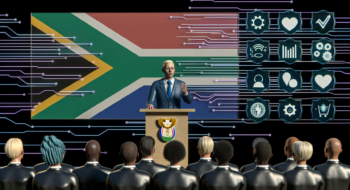
In an era defined by rapid technological advancement, government sectors are at the forefront of innovation. Unlocking the Future: 4 Game-Changing AI Paths for Government highlights how artificial intelligence can transform public services, enhance decision-making, and improve citizen engagement. As cities evolve into smart landscapes, integrating cutting-edge technologies becomes essential. In this exploration, we delve into the potential of AI to revolutionize government operations, ensuring a more efficient, responsive, and transparent system that meets the needs of our ever-changing society. Join us as we navigate this transformative journey into the future of public service.
The AI Wave: Why It Matters for Government
The introduction of artificial intelligence (AI) into the public sector isn’t just another tech trend—it’s a profound shift that can reshape how governments function. It’s like watching a superhero movie unfold, where the secret weapon is data-driven insight. AI has the power to detect patterns, predict outcomes, and tailor services with precision. This approach empowers governments to build a more engaging relationship with citizens and streamline operations far beyond previously imaginable limits. So, what are these four game-changing AI paths that will lead the government into the future?
1. Enhanced Decision-Making: The Analytical Advantage
First and foremost, enhanced decision-making fueled by AI is an absolute game changer for government operations. Imagine a data analyst with the ability to process endless amounts of information in seconds. AI can analyze historical data trends, citizen feedback, and real-time data to provide actionable insights. This allows for well-informed decision-making that can elevate public services dramatically.
- Proactive Problem Solving: AI systems can predict potential crises or service disruptions by monitoring patterns in real-time. Imagine a city that gets notified in advance about a potential flooding risk based on weather models and historical data!
- Resource Allocation: Better insights lead to smarter deployment of resources. Whether it’s police patrols, emergency response teams, or social services, government can allocate resources more efficiently—saving taxpayer dollars and increasing citizen safety.
Moreover, by leveraging historical and predictive analytics, governments can assess which policies are most effective, enabling smart adjustments and timely interventions. So, the future of public policy can proceed with confidence, grounded in a rich data foundation.
2. Citizen Engagement: A Two-Way Street
The connection between citizens and their government often resembles a one-sided conversation where the government speaks, but citizens seldom get to truly express themselves. AI changes that. Imagine a personal assistant at your fingertips—AI tools can facilitate a two-way street of engagement, enabling officials to listen and respond to public sentiment.
- Chatbots and Virtual Assistants: These AI tools can handle routine inquiries from citizens 24/7, allowing them to get answers without waiting in long lines or enduring endless phone prompts. They streamline communication and ensure that citizens feel heard.
- Personalized Services: Using AI, governments can tailor services based on citizen needs, preferences, and historical interactions. This leads to an enhanced user experience where communities feel valued and policymakers can prioritize based on real data.
In an age where citizen participation is vital, AI could play a crucial role by empowering individuals to engage actively in democratic processes. This opened line of communication builds trust, and when citizens feel they can contribute, they become partners in governance rather than just observers.
3. Efficiency in Operations: Streamlining Processes
What if we told you that the bureaucratic hurdles which often plague governmental processes could be minimized significantly through AI? Streamlining operations is not just a dream—it’s a tangible reality. By automating routine tasks, AI allows government employees to focus on more complex and meaningful work.
- Automation of Routine Tasks: From processing forms to conducting preliminary analyses, AI can speed up mundane processes, freeing up time for human operators who can concentrate on decision-making and strategy.
- Efficient Fraud Detection: AI can be pivotal in identifying discrepancies in data that might indicate fraud—whether in tax filings or social security claims. This capability ensures that resources are allocated responsibly and that public trust is maintained.
Moreover, the context-specific automation means that a city government can vastly reduce the time it takes to respond to citizen requests, making services more accessible. With quicker turnaround times for essential services—from building permits to public health screenings—governments can foster a sense of responsiveness that strengthens community relations.
4. Public Safety: Predictive Policing and Emergency Response
As the old saying goes, “an ounce of prevention is worth a pound of cure,” and that’s especially true when it comes to public safety. Predictive policing powered by AI, for instance, can help law enforcement agencies allocate their resources more effectively. By analyzing historical crime data and other variables, AI can identify areas that are at higher risk of criminal activity, allowing police to proactively patroll those neighborhoods.
- Enhanced Emergency Response: Imagine an emergency dispatch system that utilizes AI to determine the fastest route and best available resources based on current traffic patterns and the nature of an emergency. This kind of efficiency can save lives.
- Risk Assessment: AI can aid in realistically assessing risks—such as in disaster response, urban planning, and even public health outbreaks—providing authorities with a strategic advantage in mitigating potential hazards.
Furthermore, embracing AI in public safety extends to behavioral analysis using vast data people generate daily. It can uncover trends in social interactions and signal law enforcement about potential escalations before they occur. AI doesn’t just help in responding to crises; it’s about creating safer communities by preventing them from occurring in the first place.
The Road Ahead: Challenges and Considerations
Despite the tremendous potential, the journey towards implementing advanced AI solutions isn’t without hurdles. Key considerations must guide this transformation to ensure ethics remain in focus:
- Data Privacy: With the power of AI comes the responsibility of safeguarding citizen data. Governments must develop strict privacy standards that protect individuals while harnessing the benefits of data-driven insights.
- Bias in Algorithms: AI systems are only as good as the data they’re fed. Biases present in historical data can perpetuate inequalities if not diligently addressed, leading to unfair treatments in service delivery or law enforcement.
- Adapting Workforce Skills: The integration of AI will require a significant shift in workforce skills. Governments will need to invest in training programs that prepare employees to work harmoniously alongside AI tools.
Creatively navigating these challenges while staying laser-focused on transparency, ethics, and accountability is crucial as we move forward into this brave new world powered by AI. The price of innovation carries responsibility, and responsible governance must evolve alongside these exciting technologies.
Conclusion: Embracing Tomorrow Today
In wrapping up, the exploration of the emerging roles of AI in government showcases its vast potential to enhance decision-making, citizen engagement, operational efficiency, and public safety. To fully realize a future that makes the most of these AI advancements, collaboration between technologists, public policy experts, and the citizenry is essential. In a world that is rapidly becoming more interconnected, the integration of AI paves the way toward a smarter, more responsive government. It’s not just about automating processes; it’s about creating a blueprint for a collaborative, engaged, and ultimately more informed society.
As we stand on the precipice of this remarkable journey, it is our responsibility to actively participate and advocate for a future where AI empowers and enriches our communities. Exciting times are ahead, and together, we can shape a future that meets the needs of everyone in our increasingly complex world!
For more insights on how technology can reshape sectors, visit Neyrotex.com.