In today’s world, understanding mental health support mechanisms is crucial. A recent study delves into the intricate realm of nonverbal support cues, highlighting how they influence communication and connection within support groups. By unlocking nonverbal support—especially through the lens of machine learning—researchers aim to enhance group dynamics and improve therapeutic outcomes. This approach paves the way for innovative strategies that not only recognize but also harness these subtle cues, ultimately transforming the landscape of mental health support. Through this exploration, we can better comprehend the interplay between technology and human interaction in fostering emotional well-being.
Unlocking Nonverbal Support: Machine Learning in Mental Health
Imagine stepping into a support group—emotions run high, stories unfold, and yet, sometimes, words elude us. Nonverbal cues, subtle yet powerful, can speak volumes in these emotional environments. The recent study from the University of Kansas peels back the layers of these nonverbal interactions, merging them with the groundbreaking capabilities of machine learning, to revolutionize the way mental health support is delivered.
The Importance of Nonverbal Cues in Support Groups
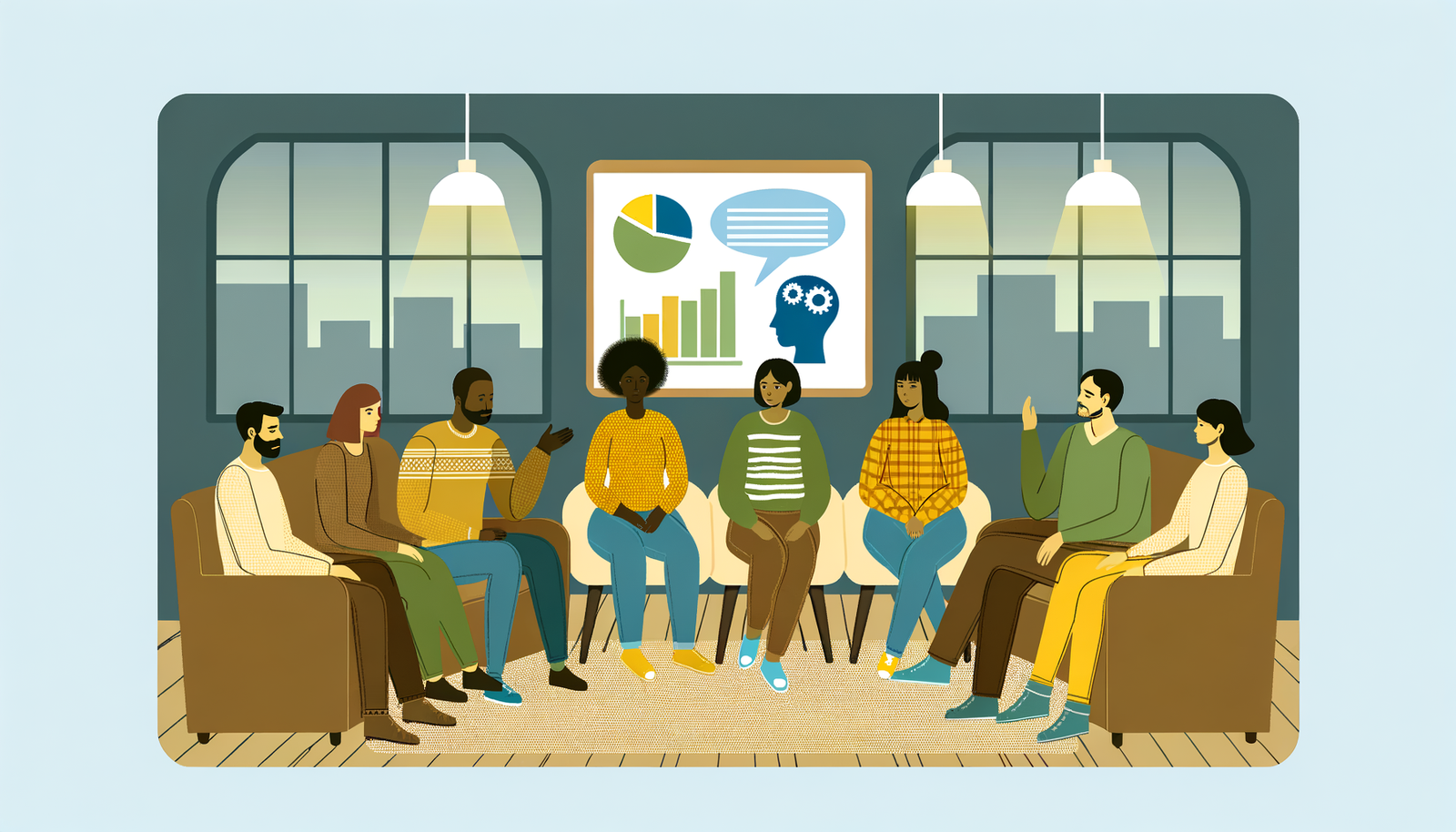
In any communication, nonverbal signals are just as influential, if not more so, than the words we choose. Facial expressions, gestures, body language, and even silence play significant roles in how we connect with others. In the context of support groups, these silent signals can foster a sense of belonging, empathy, and validation, crucial for emotional healing.
Consider the role of the nodding head or the warm smile of a fellow group member. Might these gestures encourage someone to reveal their innermost struggles? Of course! A reassuring look in an otherwise grim setting can often uplift spirits, foster connections, and validate shared experiences. Unfortunately, not everyone possesses the innate ability to interpret these cues, which can inhibit the group’s dynamics. This is where machine learning enters the picture.
Emerging Technology Meets Human Interaction
The study at the University of Kansas harnesses machine learning algorithms to analyze thousands of hours of recorded group therapy sessions to identify specific nonverbal markers of support. By cataloging these behaviors, researchers aim to reveal patterns and insights that might elude the human eye. Moreover, this techno-human partnership holds the potential to train support group facilitators in recognizing and responding to the subtle nuances of nonverbal communication.
- Facial Expressions: Understanding emotions through micro-expressions can significantly enhance group interactions.
- Body Posture: The way individuals position themselves—open versus closed—provides crucial information.
- Gestures: Small hand movements or nodding can indicate understanding and empathy.
- Eye Contact: Maintaining or avoiding eye contact can reveal trust levels and comfort.
How Machine Learning is Reshaping Mental Health Support
It’s one thing to talk about nonverbal communication; it’s another to analyze it with precision. Machine learning technology allows researchers to crunch numbers on what seems like ‘intuitive’ gestures, effectively transforming the ambiguous art of human interaction into quantifiable data. Think of it as making sense of a language that has previously sat in the shadows of our interpersonal exchanges.
The Mechanics of Analysis
The research team employs various techniques, one of the most fascinating being deep learning. By feeding the algorithm a wealth of video footage from group therapy sessions, the machine learns to recognize and categorize different nonverbal behaviors. This multi-faceted approach enables researchers to identify which cues correlate with successful group outcomes. What can be more captivating than a computer learning how to interpret human connection?
Real-World Implications
The implications of this research could be profound. If machine learning can identify specific nonverbal markers indicative of support and connection, therapists and group leaders may enhance the therapeutic process. By developing training tools guided by machine learning insights, professionals can learn how to cultivate an open and validating atmosphere within support groups. Imagine a world where behavioral cues can be measured with accuracy, guiding us toward a more enriching experience in emotional healing.
- Personalized Training: Tailored programs based on machine-learning insights could enhance facilitator training.
- Innovative Tools: Apps designed to analyze nonverbal cues in real time could support ongoing group interactions.
- Translating Data into Action: Identifying behavioral patterns allows for immediate adjustments in group dynamics.
Addressing the Challenges
Yet, as with any new technology, challenges loom on the horizon. Issues surrounding privacy, the ethical use of AI in mental health, and the significance of human intuition remain on the table. Mental health professionals will need to navigate these waters carefully, ensuring that the data gleaned from machine learning does not overshadow the essential human aspect of therapeutic relationships.
Building Trust
Perhaps the most paramount concern is trust and confidentiality. Individuals in support groups often share vulnerable aspects of their lives, making it vital that their experiences are safeguarded. Establishing what is known as “informed consent” will be a crucial step toward integrating technology into therapeutic settings responsibly.
The Future of Nonverbal Support in Mental Health
As we move forward, the notion of unlocking nonverbal support through machine learning represents an exciting frontier in mental health. By combining empathy with innovative technology, the potential for enhanced group dynamics and improved therapeutic outcomes is undeniable.
Furthermore, the integration of advanced analytics into mental health practice could easily open doors to novel forms of emotional support. Imagine a world where AI-driven applications assist individuals in understanding their own emotional states and the reactions of others. This futuristic blend of tech and touch can cultivate deeper connections and understanding within support networks.
Community Building
Ultimately, the goal is to foster a healthier community. In support groups, this means drawing individuals together, learning from one another, and creating an environment where empathy flourishes. Machine learning might be our navigator in this vast ocean of human emotions, refining our understanding and practice of mental health support.
The Call to Action
So, what does this mean for those participating in or leading support groups? Embrace the collaboration between technology and human support, use insights gleaned from machine learning to challenge preconceived notions about communication, and commit to being more in tune with the nonverbal signals shared within the group dynamic.
As we delve deeper into understanding the profound impacts of nonverbal communication in mental health support through the lens of technology, let us keep our hearts open and our minds curious. The unlocking of such nuances equips us with the tools necessary not just for individual healing, but ultimately for harnessing collective strength.
As the journey unfolds, remember this: Each nod, each smile, and every moment of silence has the potential to create ripples of connection. Let’s not forget the importance of human touch in an age increasingly dominated by technology. Together, let us navigate the waters of emotional well-being with intention and care.
For more on how technology is changing the frontiers of mental health, check out Neyrotex.com.