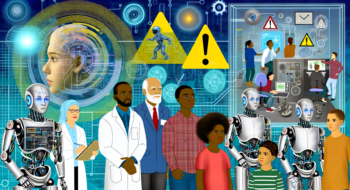
In a startling revelation, OpenAI CEO Sam Altman has linked growing public anxiety about artificial intelligence (AI) to a recent Molotov cocktail attack on his San Francisco home. Altman’s observation sheds light on the escalating fears surrounding AI and its potential implications for society. This incident, which reflects a disturbing trend of violence linked to technological apprehensions, raises critical questions about the societal impacts of rapid advancements in AI. As Altman navigates the complex landscape of innovation and public perception, the connection between AI anxiety and real-world consequences becomes increasingly clear.
The Incendiary Incident
On a seemingly ordinary evening, the tranquility of Sam Altman’s home was shattered by an alarming act of violence that inherently intertwined the realm of technology and human emotion. The Molotov cocktail attack not only targeted a prominent figure in the tech world but also resurfaced the conversation about the increasingly negative perceptions surrounding AI. Altman, who heads OpenAI, has been an influential voice in promoting responsible AI development, yet the fears and anxieties among the public suggest that much work still lies ahead.
Understanding AI Anxiety
But what exactly is AI anxiety? It’s the gripping fear and unease that stems from the unknown capabilities of advanced technologies, particularly artificial intelligence. With AI systems becoming more prevalent in daily life—from virtual assistants to predictive algorithms—there is a rising concern about their implications. Some express fear about job displacement, while others worry about loss of control. Altman brilliantly articulates this anxiety, drawing a connection to a tangible act of violence that reflects an unsettling reality.
Societal Impact and Reactions
The Molotov cocktail attack on Altman’s residence may seem extreme, but it highlights a broader societal issue. As we embrace technological advancement, the gap between innovation and public understanding expands. Many individuals feel left behind, overshadowed by the rapid deployment of AI tools they do not fully grasp. In essence, this disconnect breeds misinformation and fear, leading to anxiety about AI’s role in our future.
- Job Displacement: One of the primary concerns regarding AI is the fear of job loss. Workers worry that machines will outperform humans in various roles, rendering certain jobs obsolete.
- Loss of Control: With the advent of autonomous systems, individuals often dread a future where AI makes decisions without human input, posing a philosophical and existential dilemma.
- Misinformation: In a world where AI-generated content can mimic human writing, distinguishing truth from deception becomes an uphill battle.
- Ethical Concerns: Many are apprehensive about AI’s ability to perpetuate biases or perform unethical actions, especially in sensitive fields like healthcare or law enforcement.
Given that Altman is at the forefront of AI development, it is not out of the ordinary that he would be a target of those embodying the fear and anxiety surrounding the technology. The fact that fear manifests into violence compels society to pause and reconsider how we approach discussions about AI and its development. But where might we look for solutions?
Addressing the Fear: Steps Forward
For a smoother transition into a future where AI plays a significant role, open conversations grounded in transparency and collaboration are paramount. Companies, policymakers, and educators need to join forces to alleviate public fears regarding AI. Here are some practical steps that can be instrumental in addressing AI anxiety:
- Enhance Public Education: Increasing awareness and understanding of AI technologies can propensity diminish fears. Providing education about how AI works, its benefits, and potential risks can enable informed discussions.
- Transparent Policies: Governments and organizations must foster trust by being upfront about how AI technologies are implemented. This approach can help mitigate fears associated with transparency and ethical implications.
- Promote Ethical Guidelines: Establishing robust ethical guidelines for AI development can reassure individuals that measures are being put in place to protect citizens and uphold societal values.
- Encourage Mental Health Resources: As anxiety shakes the foundations of society, having accessible mental health resources becomes essential. Strategies to address emotional responses to technological change should be prioritized.
A Shared Responsibility
The onus is not only on the leaders of AI companies like Altman but on society as a whole to bridge the gap between innovation and acceptance. Recognizing that anxiety over AI is a valid concern opens doors to constructive dialogue and reaffirms our commitment to ethical technology development. Balancing progress with people’s well-being becomes a societal responsibility.
Violence as a Dramatic Expression
While the Molotov cocktail attack on Altman’s home sends shockwaves through the tech community, it also serves as a clarion call for more engagement in addressing these pressing fears. The act is indicative of a broader cultural climate, suggesting that frustrations tied to technological advancements can manifest dangerously.
However, rather than allow this tragic incident to lead to further division between technologists and the public, it ideally should unify stakeholders. Helping people feel heard and acknowledged regarding their concerns surrounding AI is essential in fostering a healthier relationship with technology.
The Future of AI and Community Engagement
As we stand on the brink of unprecedented advancements in AI, the future is perilously intertwined with societal perceptions. Sam Altman’s remarks resonate with a critical truth — the anxiety surrounding AI goes beyond code and algorithms; it touches on our collective conscience and social fabric. We must strive to create an inclusive dialogue that allows society to benefit from AI’s potential while respecting deep-seated fears.
Conclusion
Through concerted efforts toward education, transparency, and ethical guidelines, we can cultivate a more informed society equipped to handle the implications of AI. The connection Altman made between the violent attack on his home and the pervasive anxiety regarding AI emphasizes the pressing need for both technology stakeholders and the public to engage in meaningful conversations. It is a shared journey of discovery, challenge, and hope as we navigate the complex landscape of AI in our daily lives. By embracing collective responsibility, we can cultivate a future where technology serves humanity—shaping a society that thrives on insight over anxiety.
For more information about the intersection of neuroscience and technology, be sure to visit Neyrotex.com.