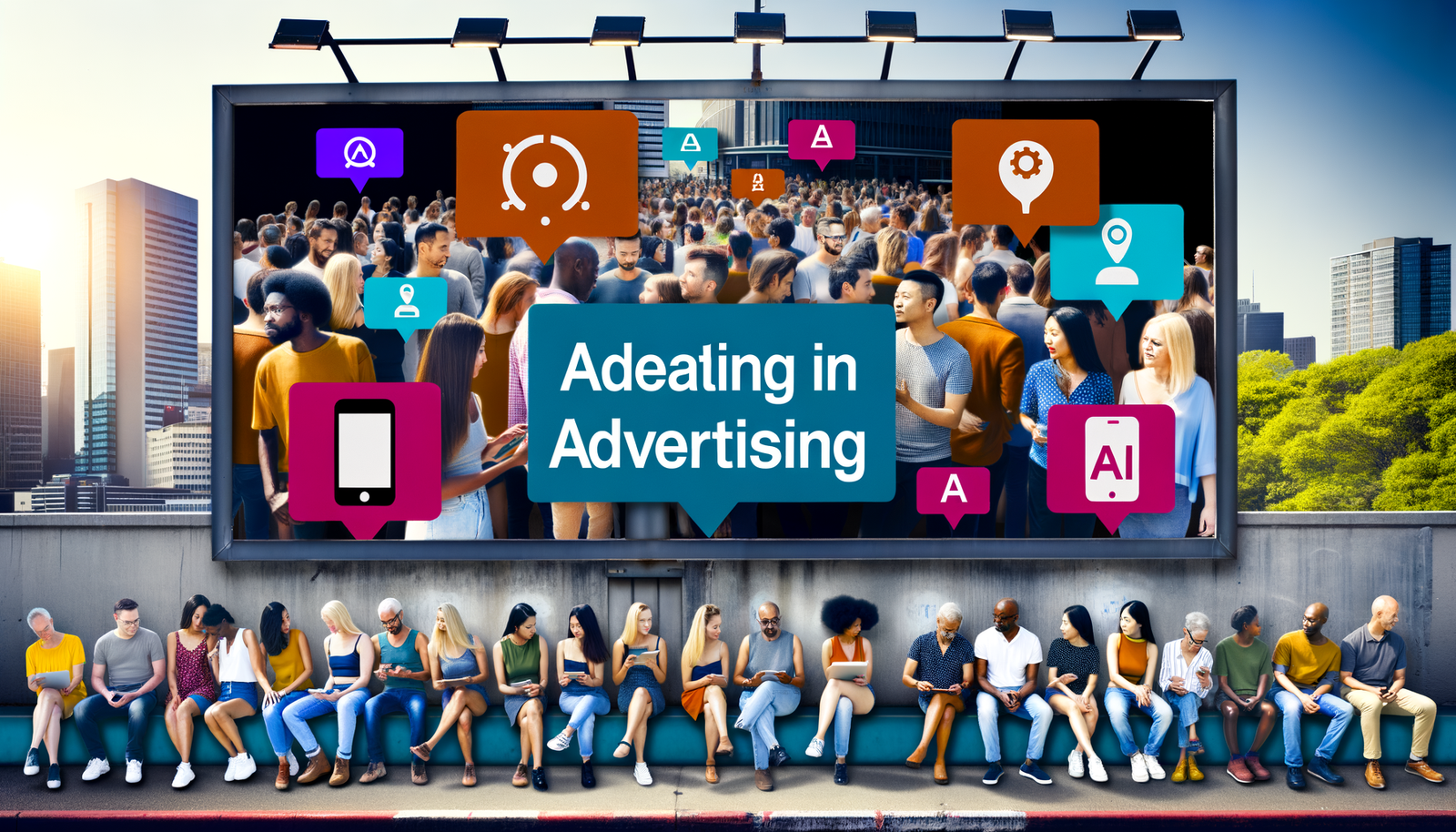
In a groundbreaking move, South Korea is taking a stand against misleading advertising practices by mandating that all ads created with artificial intelligence technologies be clearly labeled. Starting next year, this revolutionary shift aims to protect consumers from deceptive promotions that often feature fabricated experts. As AI continues to reshape the advertising landscape, the South Korean government’s initiative marks a significant step towards transparency and accountability in digital marketing. By implementing these regulations, South Korea seeks to foster a more honest relationship between advertisers and consumers, ensuring that technology is used responsibly.
Revolutionary Shift: South Korea Mandates Labels for AI Ads
As digital landscapes evolve, the line between reality and artificial creation grows blurrier than ever. South Korea, often at the forefront of technological advancements, is making headlines with a bold new directive: all advertisements generated or significantly altered by artificial intelligence (AI) technologies must be transparently labeled. This significant ruling represents a monumental shift in how we perceive marketing, consumer rights, and the role of technology in our daily lives.
The Need for Transparency
Imagine scrolling through social media or browsing your favorite e-commerce site, only to encounter an ad featuring an “expert” whose qualifications are entirely fictitious. In a world increasingly powered by sophisticated AI, such scenarios are becoming alarmingly common. Companies employing AI often create hyper-targeted ads that leverage massive data sets, sometimes leading to the emergence of influencers and experts who are simply digital fabrications.
The South Korean government recognizes the potential for confusion and deception in this advertising revolution. The new mandate aims to combat these issues by providing consumers with awareness regarding the authenticity of the advertisements they encounter. When a consumer sees a label indicating that an ad was generated by AI, they can better gauge the credibility of the claims being made. This simple addition to digital marketing has profound implications for trust and reliability.
A Closer Look at AI’s Role in Advertising
Artificial intelligence has seeped into nearly every aspect of business practices, transforming how companies approach marketing. With algorithms capable of analyzing consumer behavior and predicting trends, businesses can tailor ads with precision levels previously thought impossible. From chatbots answering customer inquiries to deepfake videos of so-called experts, AI is both an asset and a potential liability in the advertising world.
As powerful as AI can be, it does not possess moral judgment. Thus, the responsibility lies with the companies that utilize these technologies to ensure ethical practices. With South Korea’s new directive, advertisers are now held to a higher standard of accountability. They are compelled to disclose when AI is at play, fostering informed decision-making by the consumer.
Global Implications of the Mandate
While this groundbreaking decision originates in South Korea, it is destined to set a precedent for other countries grappling with similar challenges in consumer protection and ethical advertising. As countries around the globe continue to adapt to advancements in AI, they are likely to turn their gaze toward South Korea as a guiding light for regulatory initiatives. The mandate encourages international dialogue about the need for policies that embrace innovation while ensuring consumer welfare.
In the United States, for instance, calls for transparency in ads that utilize AI are gaining traction among consumer advocacy groups. However, existing regulations often fall short in addressing the complications arising from these rapidly advancing technologies. An initiative like South Korea’s could inspire lawmakers to revisit advertising standards and consider legislation that protects consumers without stifling innovation.
The Future of AI Advertising
As we look toward the future, it is essential to ponder the potential impact of AI on advertising practices. According to recent studies, the global AI market is projected to reach a staggering $1 trillion by the end of the decade. With such potential, advertising strategies will undoubtedly become increasingly sophisticated. As this transition occurs, clear guidelines and ethical considerations must be at the forefront of conversations surrounding technology’s role in marketing.
South Korea’s decision to mandate labeling for AI-generated ads reflects a growing awareness of the complexities presented by AI tools. In the coming years, it will be crucial to continuously evaluate these technologies’ implications and ensure they serve the best interests of the public. Ensuring transparency is not just about preventing deceptive practices; it is about nurturing an empowered consumer base that is informed and discerning.
What This Means for Consumers
For consumers, the implementation of AI labeling promises to offer several benefits:
- Informed Decision-Making: Consumers will have the power to discern which ads are AI-generated, granting them more agency in evaluating the products and services being promoted.
- Enhanced Trust: With the authenticity of advertisements being transparently communicated, consumer trust in advertising could see a significant boost. Transparency is a vital ingredient in building confidence between brands and their audiences.
- Heightened Awareness: This labeling initiative will likely educate consumers on the capabilities and limitations of AI technology, creating a more savvy audience that can navigate the ever-evolving digital marketplace.
Potential Challenges Ahead
While the South Korean initiative marks an undeniably positive step towards ethical advertising, challenges remain on the horizon. The potential for loopholes or non-compliance exists, particularly from less scrupulous advertisers who may seek ways to evade regulatory requirements. It will be essential for authorities to monitor compliance and take measures to enforce these regulations effectively.
Additionally, advertisers may struggle with finding a balance between creativity and compliance. The very nature of marketing thrives on originality, so integrating AI labels into the existing creative framework without compromising ad efficacy could be tricky. The challenge will be to ensure that transparency does not impede the ability of brands to engage and connect with their audiences.
Conclusion: A Model for the World
As South Korea paves the way for advertising transparency through its new labeling mandate for AI-generated ads, other nations will be compelled to examine their own advertising practices. By championing this level of transparency, South Korea is not only enhancing consumer protection but also promoting responsible innovation in marketing.
The stakes are high as the digital landscape continues to evolve. This initiative encapsulates a crucial responsibility that advertisers must embrace: the ethical use of technology so consumers can navigate digital realms with confidence. The shift to labeling is a commitment to a future where technology fosters trust rather than deception. For those interested in exploring innovative solutions in digital marketing and AI applications, following developments from Neyrotex.com can provide insights into the intersection of technology and consumer engagement.