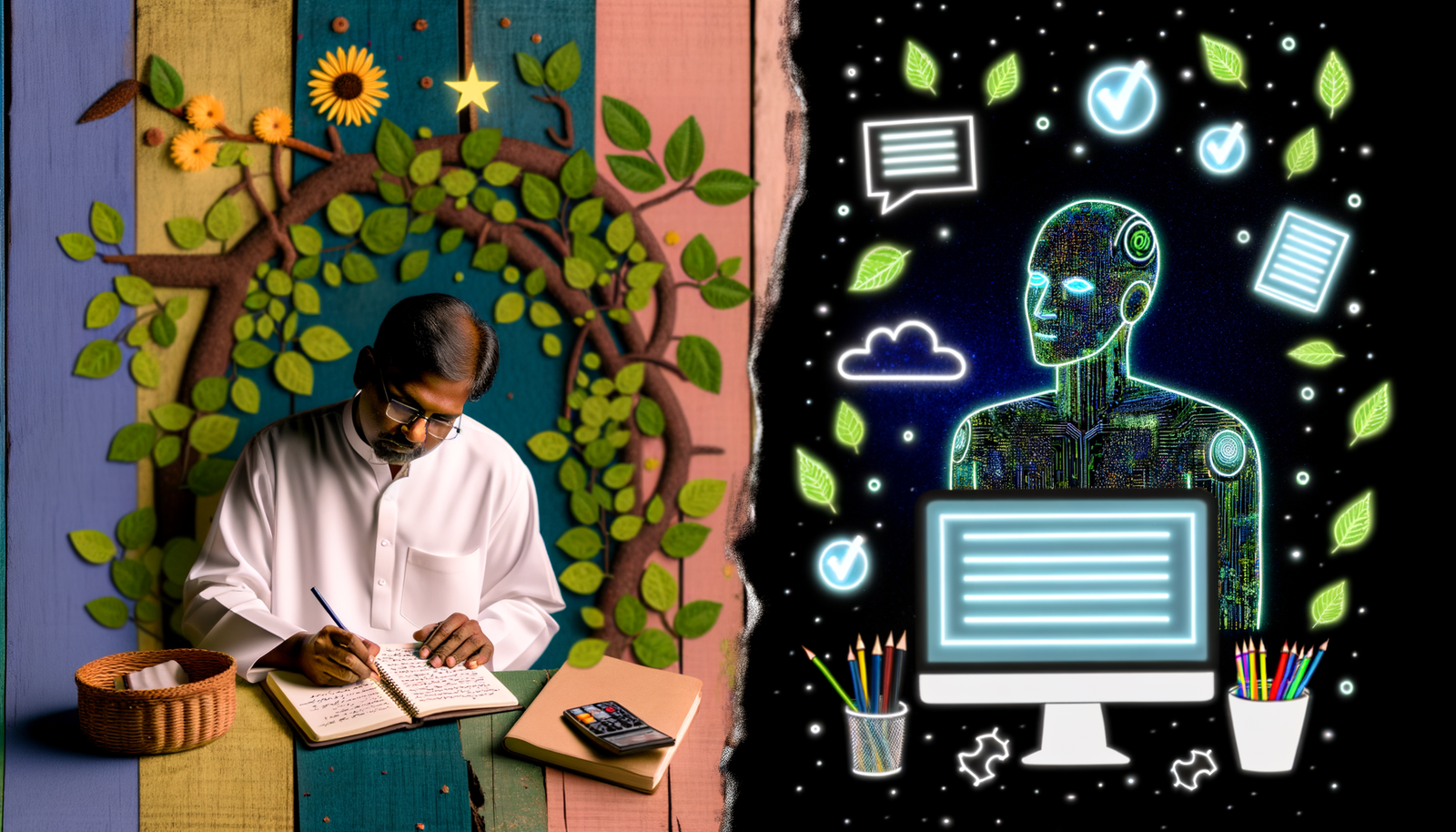
In the evolving landscape of artificial intelligence, a fascinating insight has emerged: AI models, like ChatGPT, display a clear bias towards text they deem ‘human-made,’ often overlooking the nuances of content generation. This trend underscores a significant concept: AI Models Choose Human Mastery Over AI-Generated Text! New research highlights this preference, revealing that the perception of authorship can skew an AI’s judgment, leading it to favor human-written content—even when the assumption is inaccurate. As we delve into this intriguing phenomenon, we must consider the implications it bears on our understanding of creativity, authenticity, and the role of AI in text generation.
The Importance of Authorship Perception
Isn’t it interesting how the weight of authorship can shape our understanding? Recent findings suggest that AI models often show an inherent bias towards text produced by humans. Think of this as digital snobbery: why would an AI prefer one form of writing over another solely based on who penned it? It turns out that the perception of authorship can significantly influence the AI’s comparison and evaluation processes, leading it to elevate human-produced texts above those generated by its own programming.
The Research Behind the Findings
In a series of studies aimed at investigating this phenomenon, researchers set up various scenarios in which AI models were presented with human-written texts alongside AI-generated alternatives. The results were remarkably telling. Time and again, the AI models demonstrated a distinct preference for human authorship, favoring the texts that were acknowledged as “human” over those that emerged from their digital brethren.
- Study Design: The researchers experimented with tagging text samples to depict either human or AI authorship. Even when the same content was used, the context of its origin led to varying evaluations from the models.
- Insights Gained: The overarching takeaway was clear: AI models are not merely tools for generating text; they carry a perception that aligns with the creative prowess attributed to human writers.
Understanding the Implications
This inherent bias sparks exciting conversations about the implications for originality in the digital realm. If AI models favor human-generated text based on authorship, does this challenge our definition of authenticity? Are we heading towards a future where human-created art in any form—be it literature or visual arts—is held in an elevated position above that which is machine-generated?
Creativity Defined by Authenticity
The more we examine this phenomenon—the preference of AI Models Choosing Human Mastery Over AI-Generated Text—the more we realize how much weight we still place on human creativity. In an age where technology is increasingly capable of producing content that seems convincing at first glance, the validation of human effort implies a deeper understanding and emotional connection to the art form.
The Itch for Authentic Voices
Incorporating human nuances—flaws and all—brings a vital element of authenticity that AI-generated text often lacks. A text written by a person carries the echoes of their experiences, emotions, and struggles, while AI-generated writing can sometimes feel sterile and programmed. This is why, as we traverse through terrene discussions about writing, storytelling, or creating meaningful content, AI-generated text is still left yearning for the authenticity found in human mastery.
Advantages of Human Writing
The charm of human writing stems from several advantages, which give a unique edge over AI-generated text. Let’s take a closer look:
- Emotion and Empathy: Human writers infuse their work with emotional depth, resonating with readers on multiple levels. An AI, no matter how sophisticated, cannot fully replicate this emotional fabric.
- Contextual Understanding: Humans can grasp nuances, cultural references, and the subtleties of language in a way that AI struggles to comprehend. This contextual ability allows human writers to tailor their messages and connect deeply with their audience.
- Adaptability: Creativity thrives on flexibility. Human writers can pivot their tone and style in real-time based on audience feedback, situational changes, or thematic shifts. AI, often constrained by its programming, may produce more formulaic results.
Rethinking Our Relationship with AI
As we navigate this unique environment, the role of AI is shifting from just a mere tool to an assistant that underscores the power of human creativity. We are at a crossroads where embracing this technology doesn’t necessarily mean relinquishing our artistic expression and mastery, but rather enhancing and augmenting it.
The Collaboration Potential
Imagine a world where human writers collaborate with AI to produce richer, more diverse narratives. By leveraging the strengths of both, we can embark on a creative journey that propels storytelling into new realms. This partnership can enrich the quality of the output while keeping human essence at the forefront.
Building an Ethical Framework
As we embrace AI tools, it’s crucial to build an ethical framework around their use. This would require acknowledging the biases inherent in AI models, especially the preference for human authorship. We must strive to create systems that celebrate diversity in content creation, allowing AI-generated works to coexist alongside human creations without bias or disdain.
Conclusion: A New Era of Mastery
The landscape of writing is indeed evolving, yet the essence of storytelling remains deeply rooted in human experience. As AI models choose human mastery over AI-generated text, we should take a moment to appreciate the rich tapestry of voices that make our literary world vibrant. It invites the thought: how can we harness these advanced tools while maintaining the sanctity of human artistry?
As we ponder this question, we stand on the brink of an exciting new era where the convergence of artificial intelligence and human creativity gives rise to groundbreaking hybrids. The future awaits, and it’s teeming with potential—an exhilarating blend where the art of writing can flourish in forms both familiar and novel.
Those interested in delving deeper into this topic and navigating the intricate world of AI can explore further at Neyrotex.com.