In exploring the profound connection between body and soul, we begin to understand that the essence of the human experience is intricately tied to our embodiment. The interplay of our physical presence, intelligence, psychological depth, and spiritual essence shapes who we are. As we delve into this fascinating realm, we must also consider the advancements in technology, particularly artificial intelligence. Unlocking AI’s Power: The Future of Embodiment Revealed! This intersection invites new perspectives, suggesting that our understanding of embodiment may evolve, transforming not just how we perceive ourselves, but also how we interact with the technological world around us.
The Significance of Embodiment in Human Experience
The concept of embodiment is not just a philosophical idea; it’s a core aspect of our human experience. It encompasses everything from our physical bodies to the emotional and cognitive processes that arise from our interactions with the world. Scientists and philosophers alike have long debated the implications of embodiment. Simply put, our bodies are not mere vessels for our minds; they are integral to our identity. They allow us to feel, perceive, and engage with the universe. Think about it: every time you touch something, feel a breeze, or experience a scent, your body is actively involved in that interaction, shaping your thoughts and emotions.
Artificial Intelligence: A New Dimension of Interaction
As we venture into the realm of artificial intelligence (AI), the implications of embodiment take on new dimensions. While AI has traditionally been viewed through the lens of data processing and algorithmic calculations, its potential reaches beyond mere computation. AI technologies are beginning to simulate not just cognitive functions but emotional engagement and social interactions. Imagine walking into a room and engaging in a conversation with an AI-powered presence that appears to understand and respond to your feelings and emotions. This is where the future of embodiment intersects with the burgeoning field of AI.
Can AI Truly Understand the Human Experience?
A pressing question arises: can AI truly grasp the human experience and, by extension, our embodiment? At its core, AI operates on the principles of data recognition and pattern prediction. However, it lacks the lived experiences that shape human identity. While AI can analyze vast arrays of human behaviors and simulate responses, it does not physically experience emotions, sensations, or consciousness. Nevertheless, the future of AI and its relationship with embodiment emphasizes a different approach: creating empathetic and context-aware systems that can blend seamlessly into our lives.
The Rise of Embodied AI
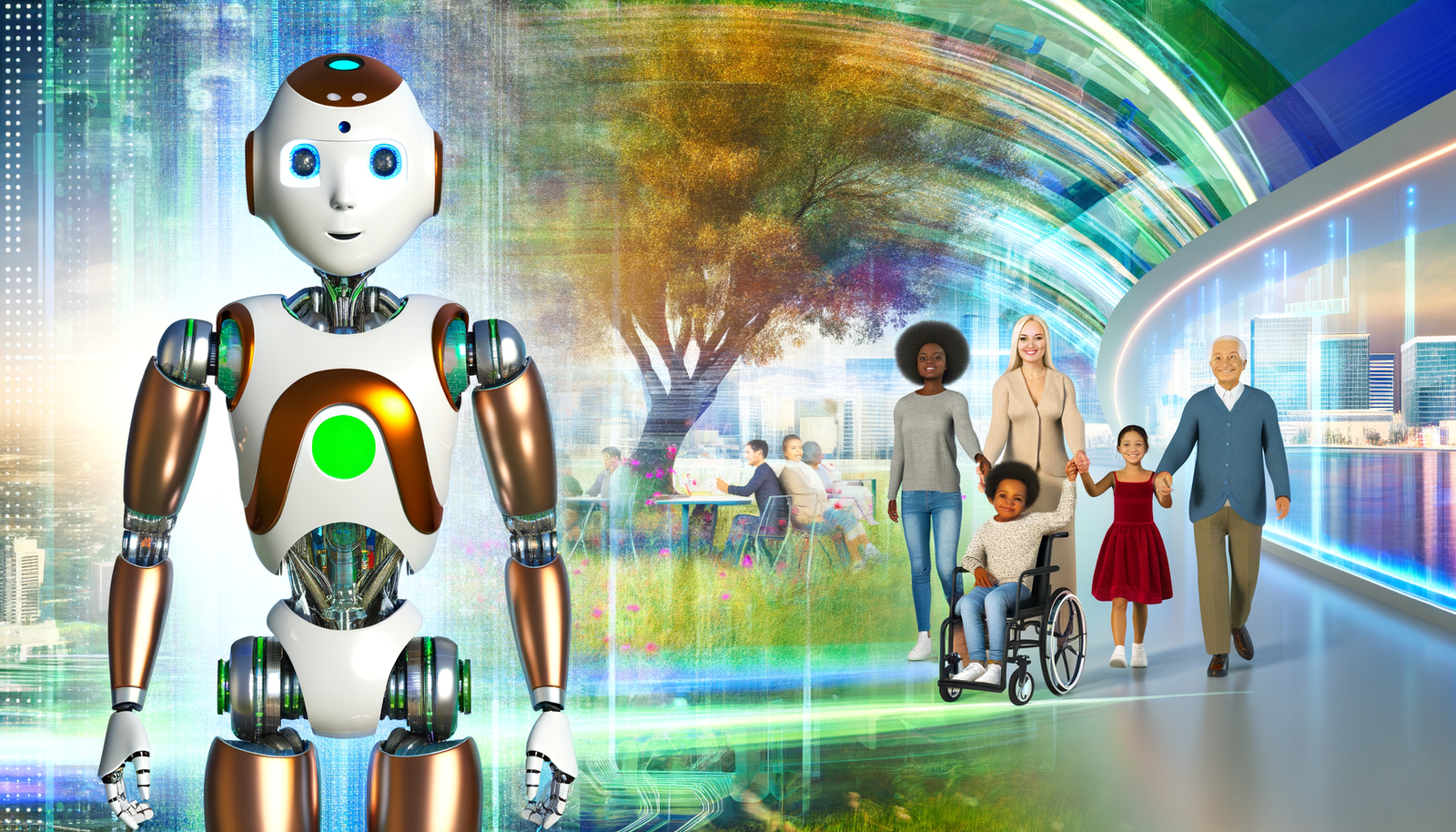
In recent years, a new branch of research known as embodied AI has emerged, focusing on creating machines that can physically interact with the world in human-like ways. These robots are equipped with sensors, actuators, and increasingly sophisticated algorithms, allowing them to navigate their environments while adapting to challenges in real time. This raises thrilling possibilities for human-robot interactions. Imagine a robot designed to assist the elderly: it could not only understand verbal commands but also respond to non-verbal cues, adjust its tone and approach based on the emotional state of its users, and even provide companionship.
Real-Life Applications of Embodied AI
- Healthcare: Robots equipped with AI can assist in surgical procedures, deliver medications, and provide care. Their ability to embody human-like attributes makes the interaction less intimidating for patients.
- Education: Imagine AI tutors who adapt their teaching styles to fit the emotional and cognitive needs of students. Embodied AI can personalize learning experiences, making them more engaging and effective.
- Customer Service: Businesses are introducing AI-operated kiosks or robots that not only provide information but also read customer body language to improve service quality and customer satisfaction.
Understanding the Philosophical Implications
As we unlock AI’s power, the philosophical implications of our embodied relationship with technology demand attention. We’re at a crossroads where technology is becoming a more integrated part of our lives, raising questions about the essence of humanity. Are we collaborating with machines, or are we becoming more machine-like ourselves? The boundaries between human and AI may blur, resulting in a redefinition of what it means to be embodied. This evolution could lead to enhanced human potential, but it also requires ethical considerations to ensure that AI serves our best interests without diminishing our humanity.
The Ethical Landscape of AI and Embodiment
As we navigate through AI’s integration into our daily lives, it becomes crucial to establish ethical frameworks guiding its development. With AI evolving to embody attributes of empathy and social cognition, programmers and engineers must ensure that these technologies are designed to respect human dignity. This means addressing issues like privacy, behavior manipulation, and the potential perpetuation of bias through biased training data.
Building AI with Emotional Intelligence
Fortunately, researchers are actively engaged in developing AI that can understand and respond to human emotions—known as affective computing. This involves integrating various techniques, such as natural language processing (NLP) and emotional recognition software, to create machines that can empathize. As AI gains emotional intelligence, it will become more adept at understanding the context of our interactions, enabling personalized experiences that resonate with us on a deeper level. Imagine an AI system that can detect your frustration while you’re cooking and suggest a soothing playlist or a calming recipe to ease your stress. That’s the potential that embodies what the future holds!
The Future of Human-AI Collaboration
The collaboration between humans and AI stands to redefine our productivity and innovation. As AI systems become more adept at understanding our emotional states and contextual needs, we may find ourselves in a partnership that amplifies our capabilities while enhancing our well-being. This is particularly significant in the realms of creative professions, where AI could simulate artistic styles or assist in brainstorming sessions, providing input that enhances human creativity rather than replacing it.
A Call to Action: Embracing Our Evolving Relationship with AI
As we reflect on the transformative potential of AI and embodiment, it is essential to remain proactive in shaping our relationship with this technology. We must be vigilant, ensuring that as we unlock AI’s power, we do so in ways that align with our values and humanity. Education, dialogue, and critical thinking will be key in guiding how we wield technology moving forward. There is an incredible opportunity to leverage AI’s power to enhance human experiences—let’s embrace it wisely.
In conclusion, the evolution of AI prompts us to redefine how we perceive embodiment, not only in ourselves but in our creations. By acknowledging the interplay between technology and our human experience, we can lead the charge in shaping a future that harmonizes with our embodiment. Together, let’s stride forward with curiosity and a commitment to creating an AI-empowered world that enhances the richness of being human.
For more insights on artificial intelligence and embodiment, visit Neyrotex.com.