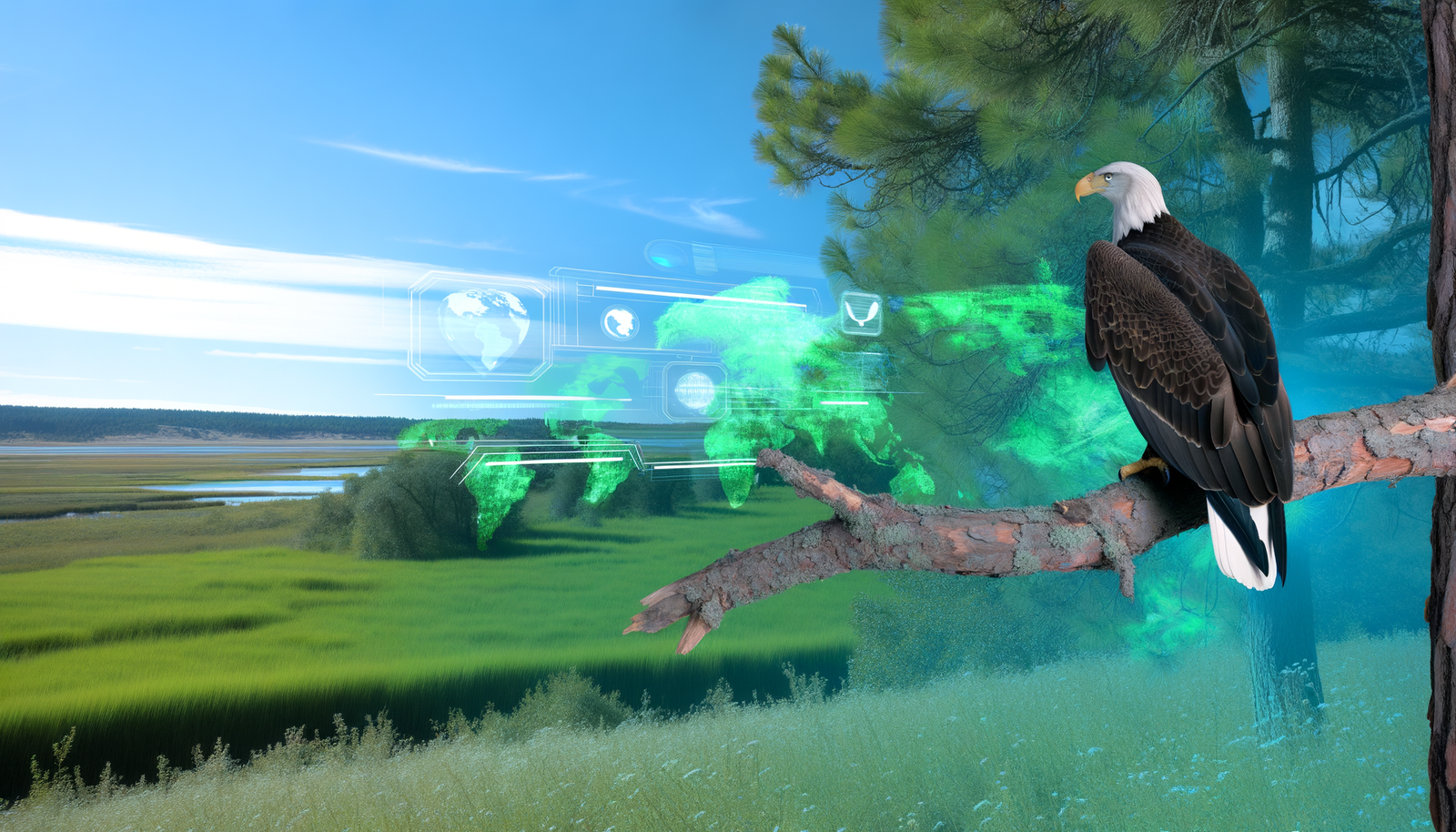
In an age where technology and nature intersect like never before, AI wildlife deepfakes are rapidly flooding social media, capturing the attention of many, including fans of celebrity eagles Jackie and Shadow. However, it’s crucial to beware: viral AI ‘slop’ deceives wildlife enthusiasts! Experts caution that these manipulated images and videos, often referred to as “AI slop,” not only mislead viewers but can also pose significant risks to both wildlife and human safety. As the digital landscape evolves, understanding the implications of such content becomes increasingly vital.
The Rise of AI Wildlife Deepfakes
With each scroll through social media, we’re bombarded by slick, sensational content—videos that showcase outrageous behavior by animals that we might consider cute or awe-inspiring. Among the most sensational are the viral AI deepfake videos that curate footage of our furry and feathered friends. Some of these virtual spectacles depict Jackie and Shadow, a pair of bald eagles that have taken the internet by storm with their majestic presence.
These fabricated pieces of so-called “wildlife entertainment” are cleverly designed to provoke immediate reactions, from laughter to awe. But hold your horses (or in this case, your eagles) because the reality is a lot murkier than what’s being presented. As technology grows more sophisticated, so too does the ability to create realistic wildlife deepfakes that can easily mislead viewers.
The Allure of the Fake
Why do we find ourselves so captivated by this AI slop? Perhaps it’s the blend of breathtaking visuals and entertaining narratives. Whether it’s a bald eagle swooping down to steal a taco or engaging in a feathered dance-off, there’s no denying the content is designed to peak curiosity and emotion. But here’s the kicker: most of it is pure fiction!
As wildlife enthusiasts, we yearn for genuine interactions with the animal kingdom, wanting to observe the intricacies of nature in their realistic forms. Yet the very technology that provides us these glimpses is also the one crafting these distorted images. While deepfakes can create awe, they can just as easily spiral into a web of deception.
The Dangers of Digital Deception
So, what’s the harm in indulging in a little AI slop? In a word: plenty. The implications of these fake wildlife videos extend beyond mere entertainment. They can inadvertently lead to the following issues:
- Misinformation: With viewers often unable to differentiate between reality and fabrication, there is a risk that factual understanding of wildlife species, their behaviors, and ecosystems could be compromised.
- Human-Wildlife Interaction: The use of manipulated wildlife footage may create unrealistic expectations of interactions, encouraging reckless behavior among nature enthusiasts who may believe they can approach or interact with animals without consequences.
- Desensitization: Frequent exposure to AI-generated wildlife content may lead to desensitization toward real wildlife and conservation issues, making it easier to disregard the need for ethical treatment of animals.
- Exploitation: Unscrupulous individuals may exploit these deepfakes for profit or gain, leading to unethical practices in wildlife tourism and exploitation of natural habitats.
Turning Toward Reality
At the end of the day, if you’re a wildlife lover or simply have an appreciation for nature’s wonders, it’s time to reconnect with the authentic experiences that unfold in their true forms. While AI slop can be amusing, it’s vital to consume wildlife content critically.
Experts urge viewers to apply discernment, questioning the validity of the video before sharing. Here are a few guidelines to help you navigate through the murky waters of digital deception:
- Verify Sources: Check the credibility of the account posting the video. Are they known for credible wildlife content, or are they churning out videos for sheer shock value?
- Conduct Additional Research: Look for scientific and journalistic articles that may back the claims made in the videos.
- Seek Expert Opinions: Experts in wildlife science and conservation can provide valuable insights about behaviors, habitats, and species.
- Turn to Nature Documentaries: High-quality and reputable wildlife documentaries often provide accurate portrayals of animals and habitats and can be a great source of information.
The Role of Social Media Platforms
As the popularity of these viral AI creations swells, social media platforms find themselves at a crossroads. How to handle the influx of content that blurs the line between reality and imposture? While some attempts are underway to implement stricter guidelines, the challenge is vast. Many users still believe that if it’s on the internet, it must be true, and therein lies a fundamental challenge for content creators and platforms alike.
Could technology become a double-edged sword? Certainly! The same avenues that can be exploited to create misleading information in the guise of entertainment can also be leveraged to foster genuine connections with wildlife. By promoting educational content and amplification of authentic wildlife voices, social media can shift the narrative.
Adopting Responsible Viewing Habits
To truly appreciate wildlife, it’s essential to channel your enthusiasm and encourage ethical practices. Supporting wildlife conservation groups, participating in local efforts, and advocating for responsible wildlife tourism can all contribute to genuine awareness about these majestic creatures and their habitats. If you want to dig deeper into protecting our natural world, check out the resources available at wildlife organizations.
As consumers of wildlife content, we have the power to be stewards, choosing to share authentic representations over sensationalized fakes. So, the next time you come across a mesmerizing clip of a digital eagle pirouetting through the skies, remember to pause and reflect before clicking that share button; what may seem entertaining could be a spark in the quickly developing world of AI slop.
The Road Ahead: Balancing Technology and Nature
As we stand on the brink of a digital renaissance defined by artificial intelligence, the question becomes: how do we engage with these innovations in a way that nurtures and preserves the beauty of the natural world? Our love for wildlife should transcend the temptation of viral, sensationalized distractions.
As wildlife enthusiasts or casual observers, we must advocate for authenticity and reality. The greatness of our connection with nature lies in what exists outside the pixels of our screens— in the wild, unscripted, and often unpredictable moments of life itself.
Let’s break the cycle of misinformation and commit to sharing real content that resonates with our shared goal of conservation and appreciation for wildlife. And as we embrace this fun journey filled with quirks and wonders, let’s make it our mission to deliver the truth, rather than the fake, to future lovers of the great outdoors.
To learn more about ethical wildlife practices, check out more resources and insights at Neyrotex.com.