As artificial intelligence continues to transform various aspects of our lives, the realm of education is no exception. With advanced tools capable of synthesizing information and generating detailed notes, a pressing question arises: Will AI Render Peer Notetakers Obsolete? Discover the Truth! The intersection of technology and learning raises a host of possibilities and challenges, urging us to explore the implications of AI-driven notetaking. In this article, we delve into the evolving role of peer notetakers in the educational landscape and assess whether AI is a rival or a complement to human collaboration in the classroom.
The Rise of AI in Education
It’s no surprise that artificial intelligence has made significant inroads into the educational sector. Whether it’s adaptive learning systems tailoring lessons to individual needs or AI-driven platforms assisting with grading, the tools at our disposal have expanded dramatically. In the world of notetaking, AI applications like natural language processing (NLP) and machine learning (ML) analyze lecture content and generate notes with remarkable accuracy and speed.
But amid these advancements, we must consider the impact on peer notetakers, those often-unsung heroes in classrooms who diligently share their unique perspectives and insights through handwritten notes. Will the digitization of this age-old practice render their contributions moot, or might there be a way for humans and AI to work hand in hand?
Understanding Peer Notetakers
Peer notetakers fulfill a multifaceted role in education, serving as both recorders of information and interpretive companions for their fellow students. Here are some reasons why peer notetaking has remained indispensable:
- Clarification and Context: Human notetakers can provide explanations and context that mere transcription cannot capture. They often include anecdotes, personal insights, or additional resources that enrich the learning experience.
- Active Engagement: Taking notes by hand or typing requires active participation, leading to improved retention and understanding of the material. Engaging in lectures stimulates cognitive processes in ways passive listening cannot.
- Social Dynamics: The act of sharing notes fosters community among students. It encourages collaborative learning and can even generate discussion that deepens understanding.
- Tailored Content: Every student has unique learning preferences. Peer notetakers can alter their writing style to accommodate their classmates’ needs, making complex concepts more digestible.
AI-Powered Notetaking: A Game Changer?
Enter AI-driven notetaking tools that are changing the landscape of note-taking altogether. Platforms like Otter.ai or Notion integrate AI capabilities to offer real-time transcription and notes organization. This begs the question: How do these innovations stack up against human notetakers?
AI systems boast several impressive features:
- Speed: AI can transcribe lectures swiftly, allowing students to obtain detailed notes almost instantly.
- Efficiency: These tools can organize content for easy retrieval, often integrating links and multimedia to enhance the learning experience.
- Accessibility: AI notetaking tools can cater to diverse learning styles and accessibility needs, providing support for hearing-impaired students or those requiring visual aids.
While these features are indeed appealing, they do raise important considerations about the nature of learning itself. Can a machine truly replace the human touch that peer notetakers offer? Let’s explore some of the nuances that come into play.
The Human Touch: Why Peer Notetakers Resonate
Amid the increasing power and presence of AI, the warmth and nuance of human interaction still hold significant value. Here are a few reasons why peer notetakers may continue to thrive in an AI-dominated environment:
- Emotional Intelligence: Human notetakers can intuitively sense when their peers struggle with a concept and can adjust their notes and explanations accordingly. Emotional resonance plays a key role in the learning process.
- Contextual Understanding: Algorithms, while impressive, can sometimes misinterpret or misrepresent underlying meanings. Human notetakers retain a personal comprehension of the subject matter that machines cannot replicate fully.
- Collaboration: The act of working together can promote team-building and communication skills. Peer notetaking can bolster relationships and create a sense of belonging within the classroom.
The Middle Ground: AI as a Complement
Could it be that the future is not a competition between AI and peer notetakers, but rather a symbiotic partnership? Imagine a classroom where AI tools support peer notetakers rather than replace them. In this scenario, human strategies and machines’ capabilities converge seamlessly.
Envision students utilizing AI as a guide for effective note structure while infusing their interpretations into the notes, creating a richer tapestry of understanding. Here are some collaborative possibilities:
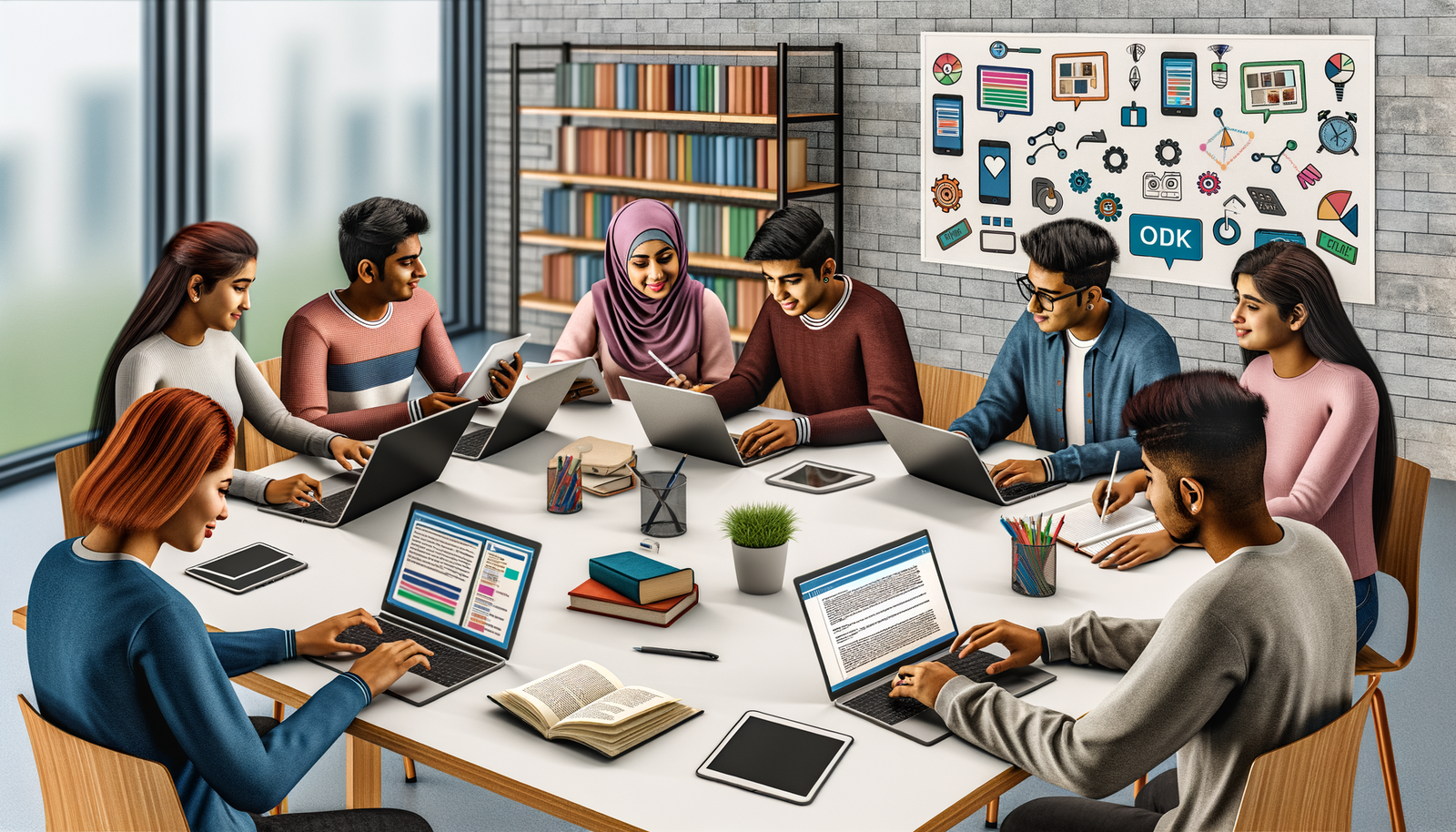
- Collaborative Efforts: Peer notetakers can create teams where each member uses AI tools to help structure and format notes, ensuring that the essence of their insights remains intact.
- Enhancing Feedback: AI-driven analytics can provide peer notetakers with feedback on their contributions, allowing them to refine their note-taking skills and further personalize their notes.
- Integration with Learning Apps: Imagine a platform where peer notetakers and AI tools could work in tandem to enhance classroom discussions. For instance, AI could analyze trends in students’ questions and suggest topics for future group discussions.
Real-World Implications: Future of Notetaking
The future of education is all about choice and balance. The role of peer notetakers should remain dynamic, adapting to advancements in technology while continuing to champion the human elements of learning. There is wisdom in retaining the intimacy of human connection in educational settings, allowing classrooms to foster collaborative efforts between students.
As educators and students alike assess the role that AI plays in this domain, the focus can shift toward integrating AI tools as cost-effective solutions that supplement note-sharing rather than supplanting traditional methods. Throughout this adaptation, the conversation should reflect deep-seated values of empathy, curiosity, and exploration.
Conclusion: A Classroom Coexisting with AI
In the end, the question “Will AI Render Peer Notetakers Obsolete?” circles back to one central theme: partnership. Rather than viewing AI as a rival, we should embrace it as a tool that enhances, rather than threatens, human contributions. The future likely lies in a blended approach where peer notetakers become indispensable companions alongside AI in the journey of education.
As we navigate these uncharted waters, we ought to remain committed to cultivating a learning environment where technology and human insight coexist, each enhancing the other’s contributions and fostering an educational ecosystem brimming with potential for all.
So, to all the peer notetakers out there—keep up the great work! The value you provide goes beyond mere documentation; it enriches the learning experience and builds connections among students. As we traverse this landscape of innovation together, your role will continue to evolve and resonate with future generations. Ready to explore more innovative solutions? Discover how AI can support you at Neyrotex.com.