As artificial intelligence rapidly evolves, a growing concern among tech workers surfaces: will the very technology they are developing ultimately replace them? AI’s impact on white-collar jobs presents a future uncertain, stirring feelings of anxiety alongside curiosity. While some fear displacement, others view AI as a transformative tool that can enhance productivity and creativity. Striking a balance between caution and optimism is crucial as we navigate this new landscape. This tension highlights the need for dialogue around our roles in a world increasingly shaped by AI. How will we adapt, and what does this mean for the future of work?
AI’s Impact on White-Collar Jobs: A Future Uncertain!
As we step into the realm of artificial intelligence, the conversation surrounding its impact on white-collar jobs becomes more critical than ever. No longer the domain of science fiction, AI technologies are integrating into various sectors, leading many to question how their roles may change in the face of this unprecedented wave of innovation. From coding to customer service and marketing, the potential for AI to streamline processes is enormous, yet it also raises questions about job security, upskilling, and the very nature of work itself.
The Rise of Intelligent Automation
Intelligent automation, a term that has gained traction in recent years, encompasses technologies such as machine learning, natural language processing, and robotic process automation. These capabilities have made it feasible for machines to perform tasks traditionally reserved for human workers. A recent study projected that by the year 2030, up to 30% of jobs could be automated—transforming entire industries and rendering some roles obsolete.
For instance, in coding, tools powered by AI can generate code based on simple prompts, significantly reducing the time software developers spend on repetitive tasks. With solutions like GitHub’s Copilot and OpenAI’s Codex in play, companies might prioritize efficiency over the human element. Programmers may find themselves not necessarily out of a job but rather as facilitators of AI, redirected to more complex, creative coding challenges.
The Great Job Displacement Debate
While some rejoice at the prospect of task automation and a reduction in mundane workloads, others lament the potential job loss for those in the tech field. A prevalent fear is that AI’s impact on white-collar jobs will lead to significant displacement, particularly for junior and entry-level positions. As easier, automated alternatives become available, will we see a decline in opportunities for young professionals trying to break into the workforce?
- AI could reduce entry-level positions typically held by those learning their craft.
- Structural changes in workplaces may occur, with a shift from junior roles to positions that require advanced skills.
- If upskilling and reskilling do not keep pace with AI advancements, workers may find it challenging to transition into new roles.
AI as a Tool for Enhancement
On the flip side, embracing AI offers various benefits not just for companies but also for employees. The most compelling aspect lies in its potential to enhance job performance. By automating routine tasks, workers can devote more time and energy to creative and strategic endeavors. It’s hard not to see a silver lining when considering that AI can lead to greater job satisfaction among employees who are no longer bogged down by repetitive work.
Consider the financial industry, where AI is revolutionizing data analysis. Financial analysts can leverage AI tools to quickly sift through mountains of data, allowing them to make faster and more informed decisions. In healthcare, medical professionals are using AI-powered diagnostics not only to improve patient outcomes but also to reduce the time spent on administrative tasks—freeing up time for what truly matters: patient care.
The Need for Upskilling
AI’s impact on white-collar jobs necessitates a critical look at educational frameworks and workforce development initiatives. If workers are to thrive alongside AI, they must be equipped with the skills to navigate this new technological landscape. Education systems need to adapt and focus on teaching skills that will remain relevant in the AI-augmented workplace.
Key Skills for the Future:
- Critical thinking and problem-solving abilities that complement AI’s analytical capabilities.
- Emotional intelligence and interpersonal skills that machines cannot replicate.
- Technical skills related to AI, including data analysis and machine learning fundamentals.
- Adaptability to embrace change and learn new technologies as they emerge.
Investing in upskilling will not only benefit individuals, but it will also be essential for companies seeking innovation and growth. Organizations that prioritize ongoing learning will cultivate a competitive workforce that can adeptly pivot when faced with technological changes.
The Shift in Workplace Dynamics
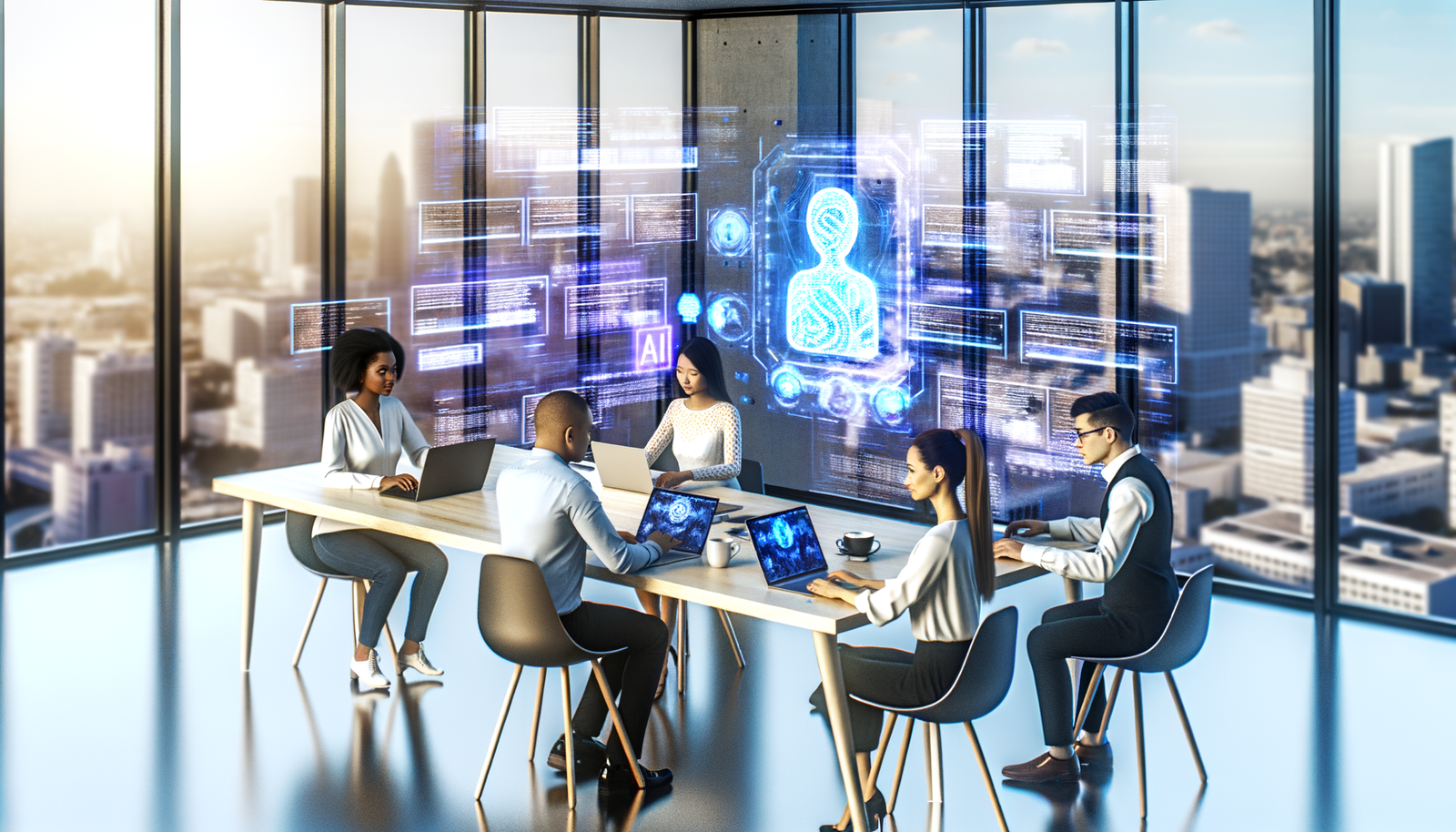
An additional dimension of AI’s impact on white-collar jobs involves the evolution of workplace culture and dynamics. As automation takes over routine tasks, the human aspect of work may become more valuable than ever. Companies will seek individuals who can innovate, lead, and collaborate effectively. Au fait with AI but possessing unique human skills, these hybrid workers will be the ones who stand out in the future workforce.
Remote work, accelerated by the pandemic, further emphasizes the necessity for effective communication and collaboration tools. AI-enabled platforms can enhance team dynamics by facilitating smoother collaboration, thereby creating a more integrated work environment where human creativity and AI efficiency coexist harmoniously.
Balancing Risk with Opportunity
As we dissect AI’s impact on white-collar jobs, it’s essential to acknowledge the balancing act between risk and opportunity. The fear of job loss hangs in the air; however, the potential for improved work satisfaction and efficiency cannot be overlooked. To harness the benefits of AI while mitigating risks, employers, workers, and policymakers must engage in proactive conversations about the future of work.
Strategies could include creating partnerships between education providers and industry leaders to develop relevant training programs or legislation to safeguard and support workers during transitions due to AI. Moreover, advocating for an inclusive workplace culture that fosters creativity while embracing technology can help alleviate fears around displacement.
A Glimpse into the Future
Ultimately, AI’s impact on white-collar jobs invites a new era where the synergy between humans and machines may redefine work as we know it. Experts suggest that instead of wholly replacing jobs, AI will change job functions, enabling workers to focus on higher-level problem-solving and creativity. This shift has the potential to yield innovations previously thought unattainable.
As we stride boldly into this uncertain future, one thing is for sure: a nuanced understanding of AI’s influence on our roles in the workplace is essential. Collaborative approaches that emphasize upskilling, cultural adaptability, and innovative problem-solving will ensure that workers remain relevant and empowered in an AI-driven world.
Your Role in this Transformation
As an individual worker, take the initiative to upskill yourself in emerging technologies, participate in industry discussions, and stay updated on AI trends. By actively engaging with your professional community and seeking opportunities for growth, you position yourself as a valuable asset in the workforce—one that thrives alongside technology rather than being overshadowed by it.
In conclusion, while AI’s impact on white-collar jobs may appear daunting at first, the landscape ahead is infused with potential. Recognizing the transformative ability of AI empowers us to reimagine our roles, encourage innovation, and redefine the future of work. Embrace this journey, for the future is not for those who stand still, but for those willing to adapt and grow. The future of work is upon us, and together, we can navigate it with optimism and resilience.
For more insights on how to adapt in an AI-driven world, visit Neyrotex.com.