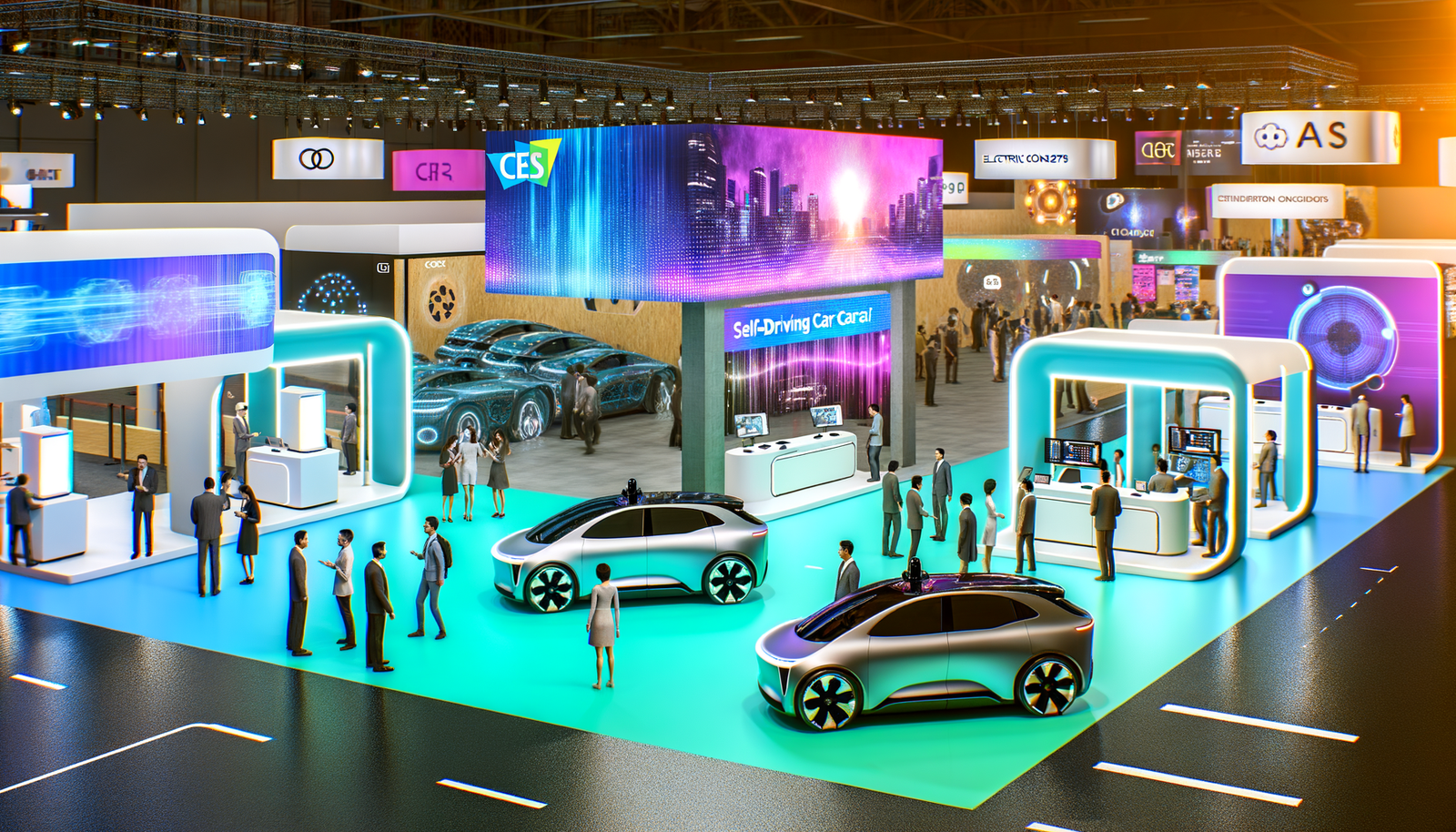
At this year’s CES trade show in Las Vegas, the spotlight is firmly on revolutionary AI and self-driving technology, capturing the attention of investors eager for innovation in an industry grappling with slow advancements, high expenses, safety challenges, and regulatory hurdles. As companies showcase their latest breakthroughs, autonomous driving tech is set to dominate discussions, signaling a pivotal moment for automotive innovation. This week’s events may well redefine the future of transportation, all while highlighting the crucial role artificial intelligence plays in energizing this critical sector. Stay tuned as we explore the transformative potential of these cutting-edge technologies!
Revolutionary AI and Self-Driving Tech Steal CES Spotlight!
CES, the Consumer Electronics Show, has long been known as the “Super Bowl of Tech.” This year, it’s not just the flash of electric vehicles (EVs) that captures the limelight; it’s the significant advancements in AI and self-driving technology that have everyone buzzing. As automakers dial back their ambitious EV plans, the emphasis on autonomous vehicles has never been more apparent.
The Shift from Electric Vehicles to Autonomous Innovation
In recent years, the automotive industry has seen a major pivot towards electric vehicles as a response to environmental concerns and regulatory pressures. Companies like Tesla have dominated the conversation, pushing for greener alternatives. However, this CES has revealed a strategic pivot: major automakers are now placing increased attention on AI and self-driving technology.
This shift isn’t surprising when one considers the pressing challenges the EV market faces: production delays, unforeseen costs, and the constant evolution of consumer demands. Instead of solely focusing on selling cars powered by electricity, manufacturers are honing in on building safer, smarter vehicles equipped with autonomous features. Smart companies realize it’s not just about electric power; it’s about redefining the driving experience.
AI: The Brain Behind the Wheel
Self-driving technology may sound like something from a sci-fi movie, but it’s becoming increasingly tangible in today’s automotive landscape. Imagine sitting in a vehicle that can navigate through dense traffic, make decisions in real-time, and even predict the behavior of pedestrians. Thanks to the remarkable advancements in AI, we are moving closer to this reality.
Key players showcased a slew of innovations featuring artificial intelligence this CES, emphasizing its critical role. For instance:
- Predictive Algorithms: These enable vehicles to anticipate dangers ahead, adapting their driving strategy accordingly.
- Real-time Data Processing: The capacity to analyze streaming data from various sensors allows vehicles to respond to changing road conditions instantaneously.
- Deep Learning Models: These enhance the understanding of surrounding environments, improving decision-making capabilities.
By employing machine learning, manufacturers are building systems that not only react but also proactively manage challenges on the road. This innovative mindset is snagging significant investor interest, proving that the future of transport could be revolutionized by these intelligent systems.
Spotlight on Industry Giants
As the excitement unfolds at CES, numerous automakers exhibited their latest in self-driving technology and AI. Companies like Ford, General Motors, and Volkswagen made considerable strides, focusing on collaborations with tech giants to enhance their offerings. Ford, for instance, plans to integrate advanced AI systems into its vehicles to improve safety and overall user experience. Meanwhile, General Motors highlighted innovations in their Cruise vehicle line, showcasing how AI transforms urban mobility.
Such technological breakthroughs are not just impressive; they represent a fundamental shift in how cars will interact with people and environments. Where traditional systems respond reactively, AI creates a bridge between human needs and machine capabilities, setting the stage for cars that learn and evolve over time.
Regulatory Roadblocks and Safety Concerns
With great innovation comes significant challenges. As self-driving technology steps into the limelight, regulatory roadblocks remain a pressing issue. Lawmakers grapple with how to legislate a technology that is still very much in its infancy. Questions surrounding safety, liability, and data privacy continue to dominate conversations.
Concerns around public safety cannot be overstated. High-profile accidents involving autonomous vehicles have caused trepidation among consumers and regulators alike. The industry is well aware that earning public trust is crucial if the broader adoption of self-driving technology is to take off. This necessitates ongoing dialogue about the potential pitfalls and challenges, thus enabling companies to prepare for an uncertain future.
Investing in the Future
Investors are hungry, and for good reason. The convergence of AI and self-driving tech offers enormous potential for profit, with firms racing to be at the forefront. Companies with strategic partnerships and visionary leadership are expected to thrive as they navigate these uncharted waters. Analysts predict that we will see a significant influx of investment in tech-driven automotive stocks as the market shifts focus from traditional manufacturing to innovative technology development.
This transition places emphasis on the need for companies to be agile, with a clear vision of integrating advanced systems into existing business models. The investment landscape is changing rapidly; those who adapt and invest in cutting-edge tech can capitalize on the industry’s long-term trajectory.
Changing Consumer Attitudes
The consumer landscape is evolving too. Today’s buyers are more informed and concerned about implications of technology, particularly on safety and efficiency. As autonomous features become more commonplace, consumer attitudes will vary widely, shaping the way companies approach the market. Various surveys show many consumers are intrigued but hesitant, expressing concerns ranging from surveillance and data security to personal safety when ceding control to machines.
To address these potentials, automakers must engage in effective communication, providing transparency in their technology and emphasizing the safety measures they are implementing. By establishing trust, companies will better position themselves for the widespread acceptance of self-driving cars.
The Road Ahead: A Future Transformed
As we sweep through CES and beyond, it’s evident that revolutionary AI and self-driving tech are set to reshape the automotive landscape. This year’s focal point extends far beyond electric vehicles, calling into light the inevitable integration of smart technology with personal transportation. While hurdles remain, the momentum showcasing AI advancements signifies an era of collaboration between tech and automotive giants.
Looking forward, we can expect more collaborations from traditional car manufacturers and technology innovators seeking to capitalize on this intersection. This creates an exciting avenue for progress, which not only transforms how we experience driving, but also how we think about travel as a whole. With AI at the helm, we’re destined for a world where vehicles become part of a broader data-driven ecosystem.
Ultimately, as we witness these transformative technologies unfold at CES, the future of transportation is an exhilarating prospect filled with incredible potential. The coming years will be critical for laying the groundwork for what promises to be the next frontier in automotive history, ushering in an era where self-driving cars could become the norm.
In conclusion, while the fledgling nature of self-driving technology and the surrounding regulatory frameworks will present challenges, the optimism stemming from CES is palpable. It’s an invitation for industry stakeholders and consumers alike to participate in this revolutionary journey. Embracing these innovations signifies stepping into a reality where AI and self-driving tech are not just partners in our vehicles, but vital allies in redefining our collective mobility.
To learn more about innovative AI technologies, visit Neyrotex.com.