Welcome to an exploration of the future of technology in the manufacturing sector! The Global Artificial Intelligence in Manufacturing and Supply Chain Market is set to revolutionize industries, projected to grow at a remarkable CAGR of 8.1% from 2024 to 2031. Transforming Manufacturing: Discover AI’s Thrilling Future! This shift is driven by innovative solutions enhancing efficiency, productivity, and decision-making processes. Join us as we delve into the critical trends and insights shaping this dynamic landscape, backed by the latest findings from the DataM Intelligence Report. Stay ahead in the era of intelligent manufacturing!
Transforming Manufacturing: Discover AI’s Thrilling Future!
Imagine walking through a factory, where instead of the dull clanking of metal and the hum of machinery, you hear the intelligent whispers of a cutting-edge AI at work. Yes, my friends, the future of manufacturing is not just knocking on the door; it’s entering with gusto and charisma! Artificial Intelligence is not merely a trend; it’s a paradigm shift that promises to reshape the manufacturing landscape as we know it. This revolution is fueled by rapid advancements in technology, leading to unprecedented levels of efficiency, productivity, and versatility in the supply chain.
The Rise of AI in Manufacturing
Over the past few years, we’ve witnessed a seismic shift in industries, especially in manufacturing. Traditionally dominated by manual labor and basic automation, the sector is leaning heavily into AI technologies. From predictive maintenance to quality control and supply chain optimization, intelligent applications are everywhere. The question is: why the sudden shift?
- Increased Efficiency: AI algorithms can analyze massive datasets far quicker than humans, enabling manufacturers to optimize processes in real time.
- Cost Reduction: With AI handling routine tasks, companies can reduce workforce costs and allocate resources more efficiently.
- Improved Quality: AI systems can detect defects in products faster than the human eye, allowing for higher quality standards.
- Data-Driven Decisions: With AI’s analytical powers, businesses can make smarter decisions based on trends and market analysis.
Trends Influencing AI Adoption
Let’s take a closer look at the key trends influencing the rise of AI in manufacturing and supply chains. These trends are not just influencing businesses but are paving the way for a more innovative and efficient economic future.
1. The Internet of Things (IoT)
The integration of IoT devices in manufacturing creates a network of intelligent devices that communicate with each other, thus generating vast amounts of data. This data, when analyzed using AI, can lead manufacturers to identify inefficiencies and predict failures before they happen. Picture a conveyor belt with sensors that signal when maintenance is due. Sounds futuristic? Welcome to the era of intelligent manufacturing!
2. Robotics and Automation
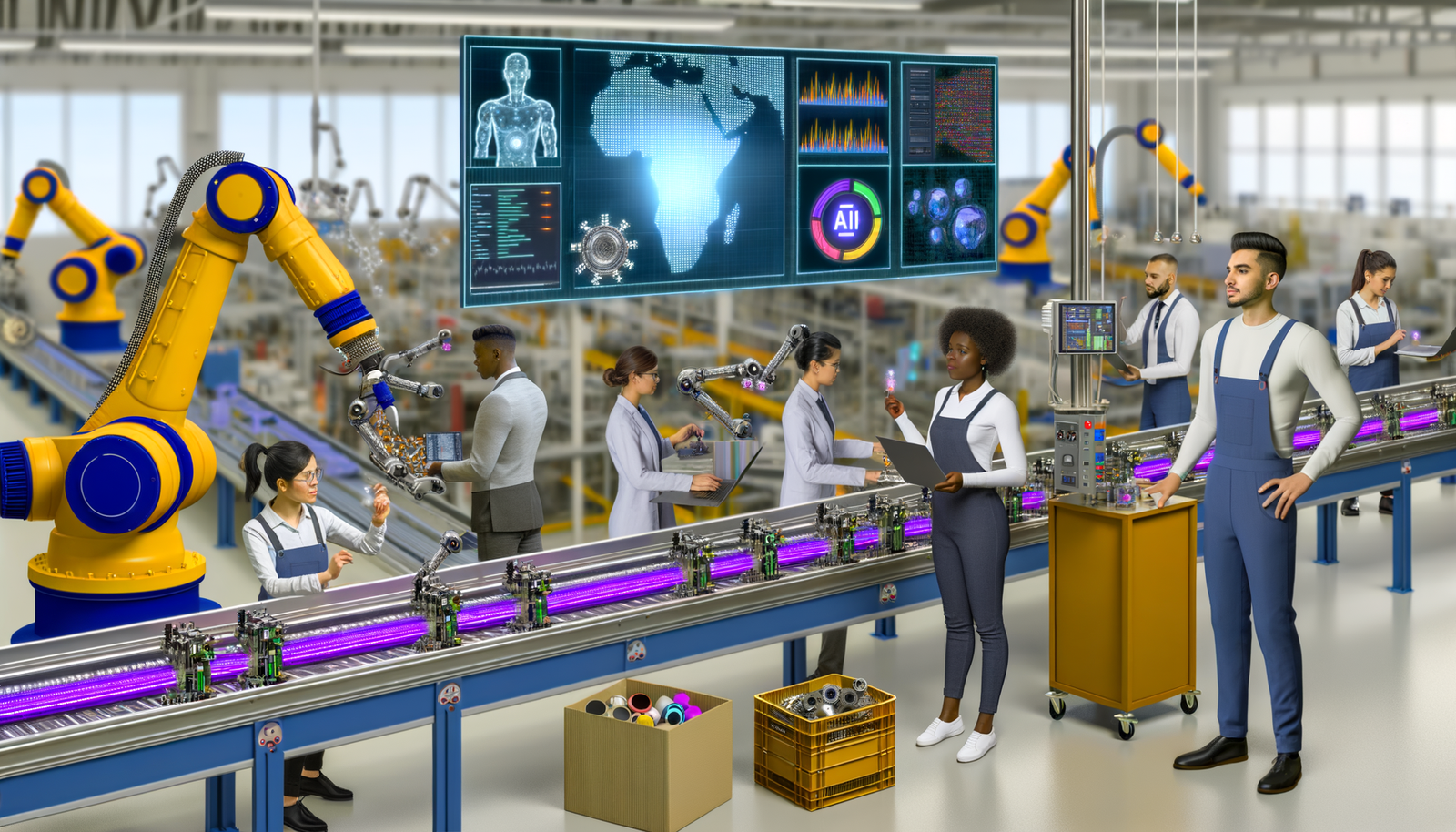
Robots infused with AI capabilities are escalating automation to new heights. Gone are the days of robots limited to repetitive tasks; now, we have robotic arms interpreting data and making decisions on the fly! The beauty of this transformation lies in seamless collaboration between humans and machines, leading to safer and more efficient workplaces.
3. Customization
Today’s consumers crave unique products tailored to their specific needs. AI plays a pivotal role in enabling mass customization, allowing manufacturers to produce bespoke items at scale. Whether it’s a personalized car or custom clothing, AI is the unseen hand managing the intricate operations involved.
4. Supply Chain Optimization
The supply chain is arguably one of the most intricate beasts in the manufacturing sector. However, AI can analyze historical data and predict future trends, allowing companies to manage inventory more effectively, reduce waste, and enhance customer satisfaction. The result? Faster lead times and increased profitability. That’s music to any business owner’s ears!
Challenges Ahead
As thrilling as this transition into the AI era is, it’s not without its challenges. Companies need to be wary of the complexities that come with adopting these advanced technologies. Here are some of the hurdles on the path:
- High Initial Costs: Implementing AI systems can be financially daunting, especially for small to medium-sized enterprises. However, the long-term cost savings can outweigh the initial investments.
- Skill Gaps: A workforce trained in traditional manufacturing methods may struggle to adapt to AI and machine learning technologies. Upskilling and reskilling employees will be crucial.
- Data Privacy: With the rise of data-driven decision-making comes concerns around data security and privacy. Navigating these issues is paramount to maintaining trust with customers.
- Resistance to Change: Change can be intimidating. Some employees might resist moving away from familiar systems and processes. Change management strategies will be essential.
Success Stories
To spark your enthusiasm further, let’s look at some real-world examples where AI has transformed manufacturing processes.
1. Siemens
Siemens is leading the charge in the industrial AI transformation. Their Amberg Electronics Plant utilizes AI to streamline operations and improve product quality. By employing AI in their manufacturing process, Siemens has boosted overall efficiency by about 30%. This kind of success doesn’t just set the bar; it sends it rocketing into space!
2. GE Aviation
GE Aviation has harnessed machine learning algorithms to optimize its supply chain processes significantly. The predictive analytics help to forecast demand, thereby reducing inventory costs and ensuring optimal supply levels. The move has empowered them to maintain a competitive edge in a fast-paced industry.
3. Tesla
Tesla’s production line is another instance where AI is powering a revolution. The automotive giant integrates AI to refine its manufacturing processes, from automation in assembly to logistics planning. So, the next time you marvel at a Tesla, remember the brilliance of AI making it all possible!
The Future Ahead
As we step into the future, we must embrace the changes that AI brings to the manufacturing sector. The promise of innovation and efficiency offers untold benefits, and those who adopt these technologies early will find themselves at a considerable advantage. A future where machines not only assist but enhance human capabilities is not just a dream; it’s an approaching reality.
Moreover, as AI continues to mature, the relationships between humans and technology will evolve. We may see a shift toward a more collaborative ecosystem where AI doesn’t replace jobs but rather enhances them. Thus, it’s an exciting time to witness as manufacturing transforms from traditional practices to a state powered by intelligence, data, and insightful automation.
Conclusion
This thrilling journey into the realm of AI in manufacturing is just beginning. With technology advancing at breakneck speed, the insights we’ve explored today merely scratch the surface of what’s possible. The growth spurt projected between 2024 and 2031 promises to further invigorate this sector, unraveling new possibilities at every corner.
So, whether you’re a manufacturer, supplier, or just a curious mind, embrace the transformative potential of AI to not only enhance efficiency but to redefine what’s possible. Don’t wait until it’s too late—be proactive in your journey to integrate AI as a triumphant ally in your manufacturing narrative. For those ready to step up, the question isn’t *if* you’ll adopt AI, but *when*. Ready to take the plunge? Explore more at Neyrotex.com.