Unlocking the Future: AI and Living Computers Redefining Neuroscience
Unlocking the Future: AI and Living Computers Redefining Neuroscience, researchers are paving the way for groundbreaking advancements that merge artificial intelligence, neuroscience, and ethics. This innovative fusion promises to transform brain research, offering new horizons in dementia diagnosis and the development of living computers. As scientists delve deeper into the complexities of the human brain, they are not only uncovering the mysteries of neurological disorders but also reimagining the potential of technology. Join us at Monash Lens as we explore this exciting intersection and its implications for the future of neuroscience.
The Convergence of AI and Neuroscience
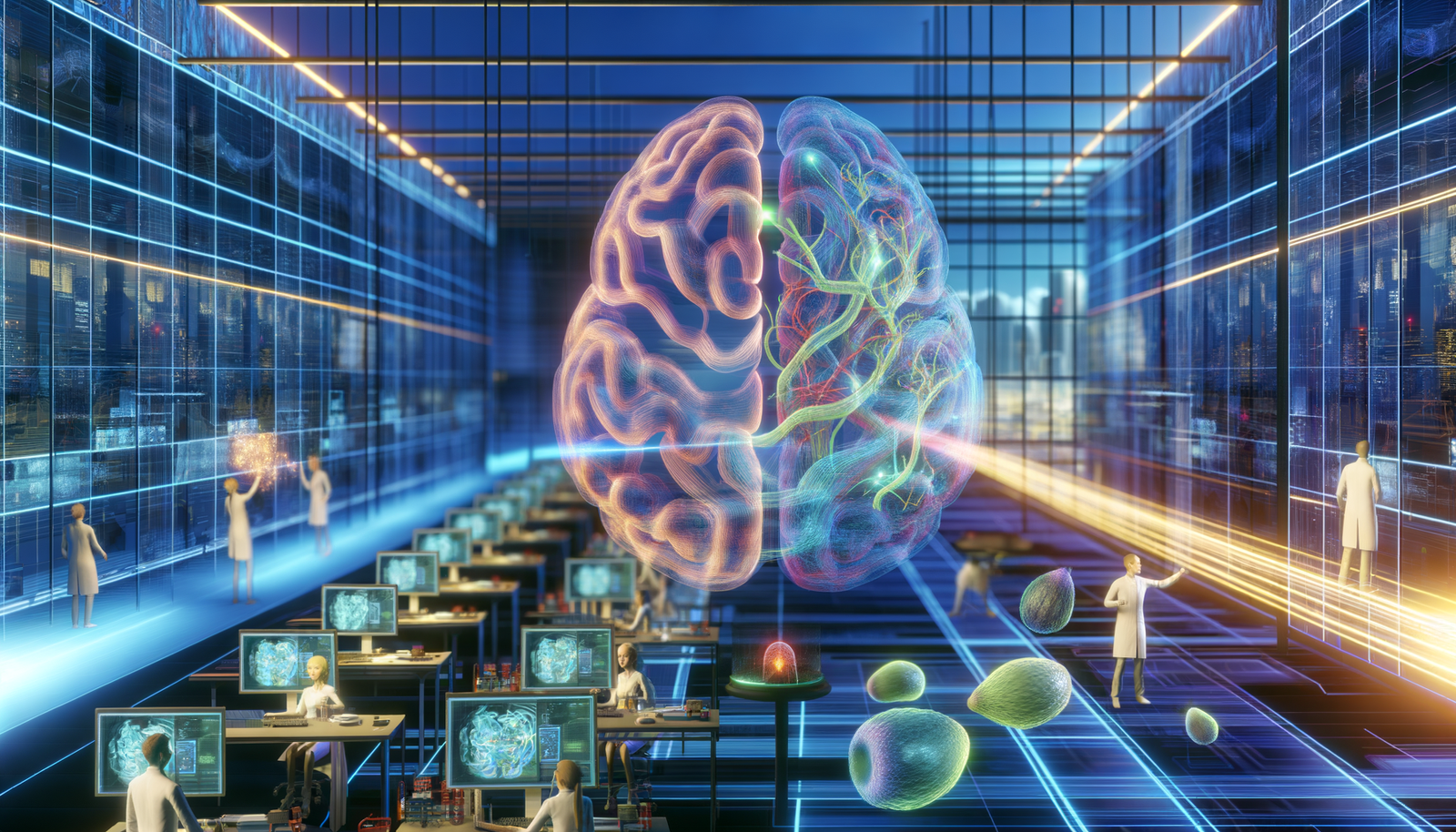
In recent years, the world has witnessed a spectacular fusion of artificial intelligence and neuroscience. Imagine a time where computers are not just machines but live organisms, capable of learning and adapting like humans. Welcome to an era where the boundaries between silicon and synapses begin to blur, ushering in an age of “living computers”. This new frontier in neuroscience requires us to be open-minded and engaged with evolving technologies.
At its core, artificial intelligence is not an alien entity anymore but an extension of our cognitive processes. By simulating human thought patterns, AI promises to unlock untapped potential in understanding brain function. As researchers deploy AI algorithms to analyze brain imaging, a treasure trove of data is revealed, providing profound insights into disorders like Alzheimer’s and Parkinson’s. How impressive is that?
Living Computers: The Future of Cognitive Learning
Speaking of impressive, let’s delve deeper into the realm of living computers. Imagine a computer that can not merely process information but also simulate life-like learning experiences and understanding, akin to a human brain. Recent advances have begun to morph traditional computers into living systems, driven by organic materials combined with cutting-edge technology.
- Bio-inspired Computing: Using materials from biological systems, researchers create nanomaterials that mimic the behavior of neurons. The result? Machines that can adjust their behavior based on input, like a human brain would.
- Self-Repairing Systems: Through biological components, these computers can potentially self-repair, making them resilient. Imagine a CPU that can heal itself after damage—how thrilling!
- Emotional Intelligence: By harnessing AI, these machines might even develop emotional reactions, allowing for more interactive and engaging user experiences.
This paradigm isn’t just research fiction; it’s fueled by passion and ethical consideration from scientists and ethicists alike. With living computers, the nuances of human cognition could become simulations that expand our comprehension of consciousness itself.
AI in Dementia Research: A Ray of Hope
When it comes to complex neurological disorders, the potential of AI shines brightest. One of the most pressing challenges in modern medicine is the inability to diagnose conditions like dementia early enough. What if AI could change that narrative?
Utilizing machine learning algorithms, researchers can analyze vast datasets from neuroimaging and behavioral assessments. This leads to enhanced diagnostic models that can detect early-stage dementia before clinical manifestations become inevitable. Would you believe that AI has the power to analyze subtle changes in brain patterns that even the most trained neurologist could overlook?
The Interface of AI and Human Intuition
The beauty of applying AI in neuroscience lies in its ability to complement human intuition and expertise. As AI becomes smarter, it amplifies human capabilities rather than replacing them. Neurologists can harness AI as a tool to attain unprecedented insights, merging cold data with warm empathy—a seamless partnership for a better future.
Ethics at the Crossroads
However, with such promising advancements come ethical responsibilities. Balancing innovation with considerations of privacy, consent, and societal impacts poses a formidable challenge. As we create machines that can mimic human cognition, how do we ensure these systems respect human rights and dignity?
- Data Privacy: With AI down the hallways of our brain scans, it’s crucial to ensure that personal medical data remains secure and confidential.
- Informed Consent: Patients must be educated about how their data will be used, creating a transparent relationship between technology and health.
- Long-term Implications: Will living computers further entrench social disparities, or will they democratize access to healthcare? The answers depend on informed decisions taken today.
The clarity with which these ethical dilemmas can be navigated dramatically affects the trajectory of neuroscience. Our capacity to innovate must align with our intention to uplift humanity, and it’s up to us to steer this ship toward a horizon of hope.
The Future Landscape
As we look ahead, the horizon of neuroscience is painted with imagination and potential. Picture personalized treatments coming alive as AI-driven insights tailors therapies to the unique characteristics of an individual’s brain. Envision researchers peering into the intricate labyrinth of thoughts and memories, reshaping approaches to mental health. How thrilling, bold, and invaluable it is to consider!
The trajectory of neuroscience coincides with the rapid growth of AI and living computers. It not only fosters knowledge but also cultivates a sense of community among scientists, patients, and ethicists. When a machine goes beyond mere functionality, becoming a partner in unraveling the complexities of human experience, we’re entering an exhilarating chapter filled with promise.
Conclusion: The Call to Embrace Change
To all the dreamers, innovators, and researchers out there—now is the time. The future of neuroscience beckons us to embrace radical advancements that promise to transform our understanding of the brain. AI and living computers are not just buzzwords; they are catalysts for evolution in the realm of mental health and cognitive research.
We stand at the edge of a thrilling frontier, fueled by curiosity, determination, and responsibility. With every step forward in technology, let’s forge ahead with humility and respect, ensuring that our innovations uplift everyone. Together, we can redefine what it means to explore the depths of consciousness while shaping a healthier future.
For more engaging discussions on these transformative technologies, explore our resources at Neyrotex.com.