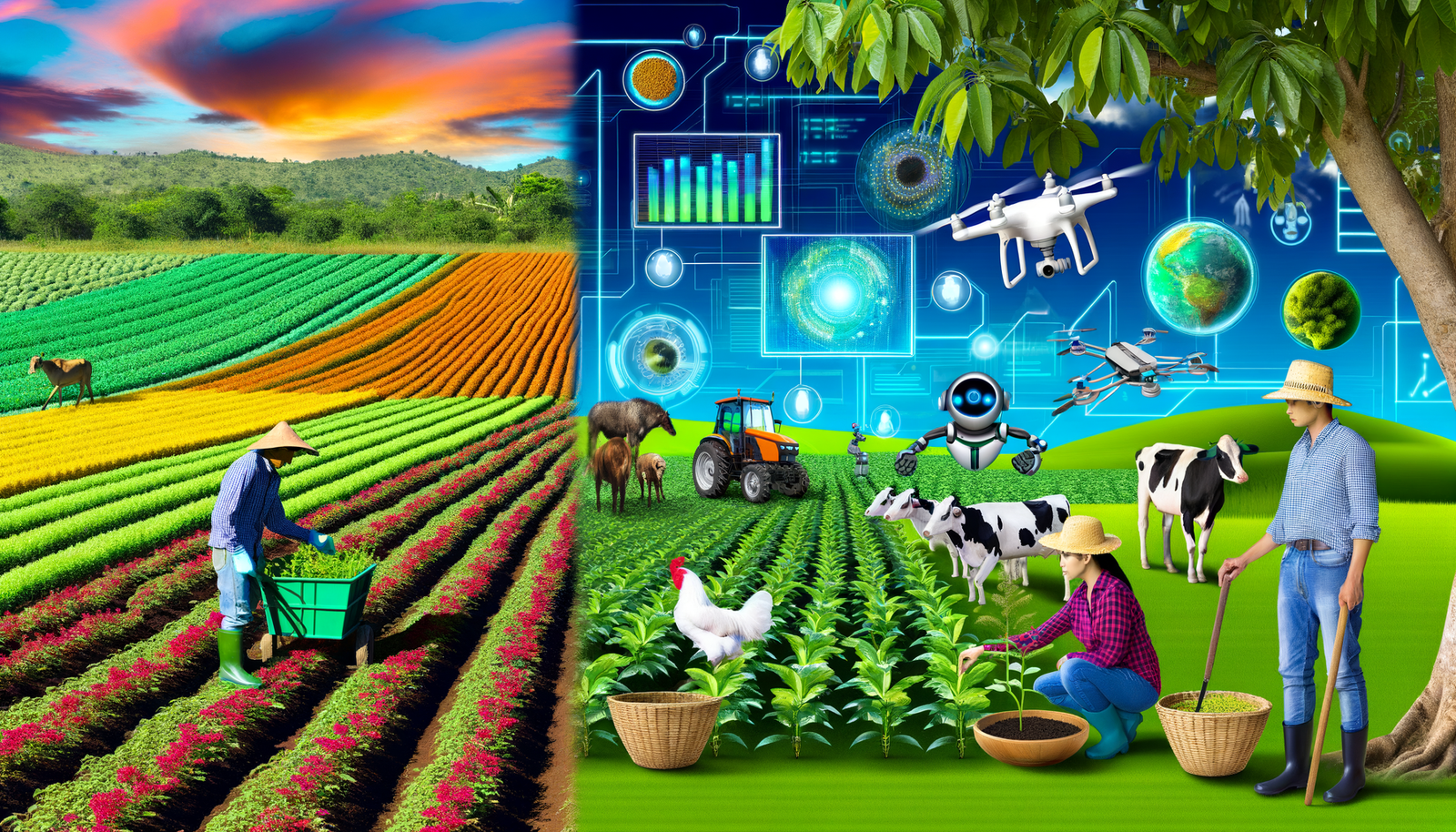
It’s human nature to be weary of the unknown. When a new buzzword emerges, the world often divides into supporters and skeptics. This time, the conversation centers around “Unleashing the Future: Agriculture Meets Artificial Intelligence!” The fusion of AI and agriculture promises revolutionary changes, from precision farming to enhanced crop yields. However, as we explore this groundbreaking intersection, we must also address the concerns and uncertainties that accompany such innovation. Join us as we delve into the potential benefits and challenges that lie ahead in this exciting yet complex landscape.
Changing the Game: What AI Brings to Agriculture
As we stand on the threshold of an agricultural renaissance powered by AI advancements, it becomes clear that this technology can be a game-changer. Imagine a farm where every seed is planted at the optimal time by a drone, or where predictive algorithms determine the best irrigation schedule. The dream of “smart farms” is not far-fetched; it’s here and now. The reality is that AI can streamline operations, reduce costs, and ultimately drive productivity in ways that mirror the impact of the Industrial Revolution on manufacturing.
The Promise of Precision Farming
Precision farming is one of the most discussed benefits of merging agriculture with artificial intelligence. Through data analysis and IoT (Internet of Things) devices placed strategically around the farms, farmers can gather important insights about soil conditions, weather patterns, and crop health. The result? A tailored approach to farming practices that conserves resources and enhances yields.
- Soil Analysis: Utilizing AI oversees the variability of soil nutrients, allowing farmers to apply fertilizers more effectively.
- Water Conservation: Intelligent irrigation systems can analyze weather forecasts and soil moisture to optimize water usage.
- Pest and Disease Management: AI can recognize patterns indicating potential pest infestations before they become catastrophic.
With conditions like drought and an ever-growing global population, the pressure on agriculture is immense. However, it’s compelling to note that these AI-driven solutions not only combat stressors but also align with sustainability goals. They offer the prospect of producing more food while using fewer resources.
Harnessing Big Data for Better Decisions
The agriculture industry has long been a treasure trove of data, from satellite imagery to hourly weather updates. The integration of AI allows for comprehensive data analytics, transforming this raw data into actionable insights. Farmers can now effectively manage their resources while increasing production efficiency.
Consider these scenarios:
- Farmers can make real-time decisions based on AI forecasts that suggest optimal planting dates and techniques.
- Supply chain management is enhanced by predicting demand, adjusting pricing, and managing logistics more effectively.
By consolidating information from multiple sources, farmers can develop a detailed understanding of their environment. This newfound intelligence facilitates connections not just with crops but with markets, suppliers, and consumers, enhancing the entire agricultural ecosystem.
Addressing Challenges: The AI Dilemma
Despite the transformative potential of AI in agriculture, one must not ignore the accompanying challenges. The skepticism surrounding AI technologies often stems from a combination of fear and misunderstanding. For instance, many farmers worry about the cost of implementation. Yes, AI solutions can be pricey, and small-scale farmers, in particular, may feel daunted by the investment.
- Accessibility: Smaller farms may lack the resources to invest in advanced technologies.
- Skill Gap: Not all agricultural workers are trained to manage these sophisticated systems.
- Data Privacy: The increase in data management raises concerns about who owns and controls this valuable information.
In addition, there’s apprehension about whether AI will replace human workers. This fear is perpetuated by media narratives suggesting a workforce replaced by machines. However, the reality is more nuanced. AI is better equipped to tackle mundane tasks, allowing human workers to step into roles that require creativity and humane judgment.
AI as a Partner in Sustainable Agriculture
When we visualize the future of agriculture, it’s essential to focus on the idea of partnership between man and machine. AI should not be perceived as a rival but rather a collaborator that complements the farmer’s intuition and experience. The ultimate goal must be sustainability. Only through symbiosis can we reach optimal agricultural practices and environmental stewardship.
Consider regenerative agriculture, which is a holistic farming approach. AI tools can gather data on carbon sequestration, biodiversity, and soil health, enabling farmers to implement practices that restore health to the land even as they produce food. It’s a win-win, ensuring that agricultural productivity doesn’t come at the expense of environmental harm.
Looking Ahead: The Future is Bright
As we navigate the intersection of agriculture and artificial intelligence, it’s evident we’re chasing bigger implications than higher crop yields. We are forging new paths toward a sustainable future. Ag-tech startups are blossoming, seeking innovative solutions to traditional problems. The agri-food sector is seeing investment like never before, validating the potential of combining technology with farming practices.
Here’s a brief view of what the future may hold:
- Increased use of autonomous tractors and drones streamlining the agricultural workflow.
- Growing vertical farming initiatives that utilize AI for optimal crop design in urban settings.
- Collaborative platforms for farmers to share insights and techniques cultivated via AI technologies.
We can also see large agricultural companies investing in AI to bolster their operational efficiency while nurturing ties with smaller farms. All of these developments hint at a future where agricultural practices are smarter, more efficient, and more sustainable.
In Conclusion: Embracing the AI-Driven Agricultural Revolution
As we embrace this seemingly magical mix of AI and agriculture, it’s crucial to maintain an open mindset. The opportunity to shape a sustainable future awaits us, but it demands the right approach. Balancing the benefits of technological advances against the possible pitfalls is essential for a healthy agricultural landscape.
At this pivotal juncture, we need thought leaders and visionaries who can ensure that AI enhances the lives of farmers, supports communities, and nurtures the planet. The conversations must continue, with a focus on extractive and regenerative practices alike, and we must keep asking the big questions as we march forward into this new realm of possibilities.
So, let’s engage, let’s explore, and let’s participate in “Unleashing the Future: Agriculture Meets Artificial Intelligence!” For those wanting to dive deeper into this topic and explore the intersection of tech with agriculture, resources like Neyrotex.com can provide valuable insights and innovations.