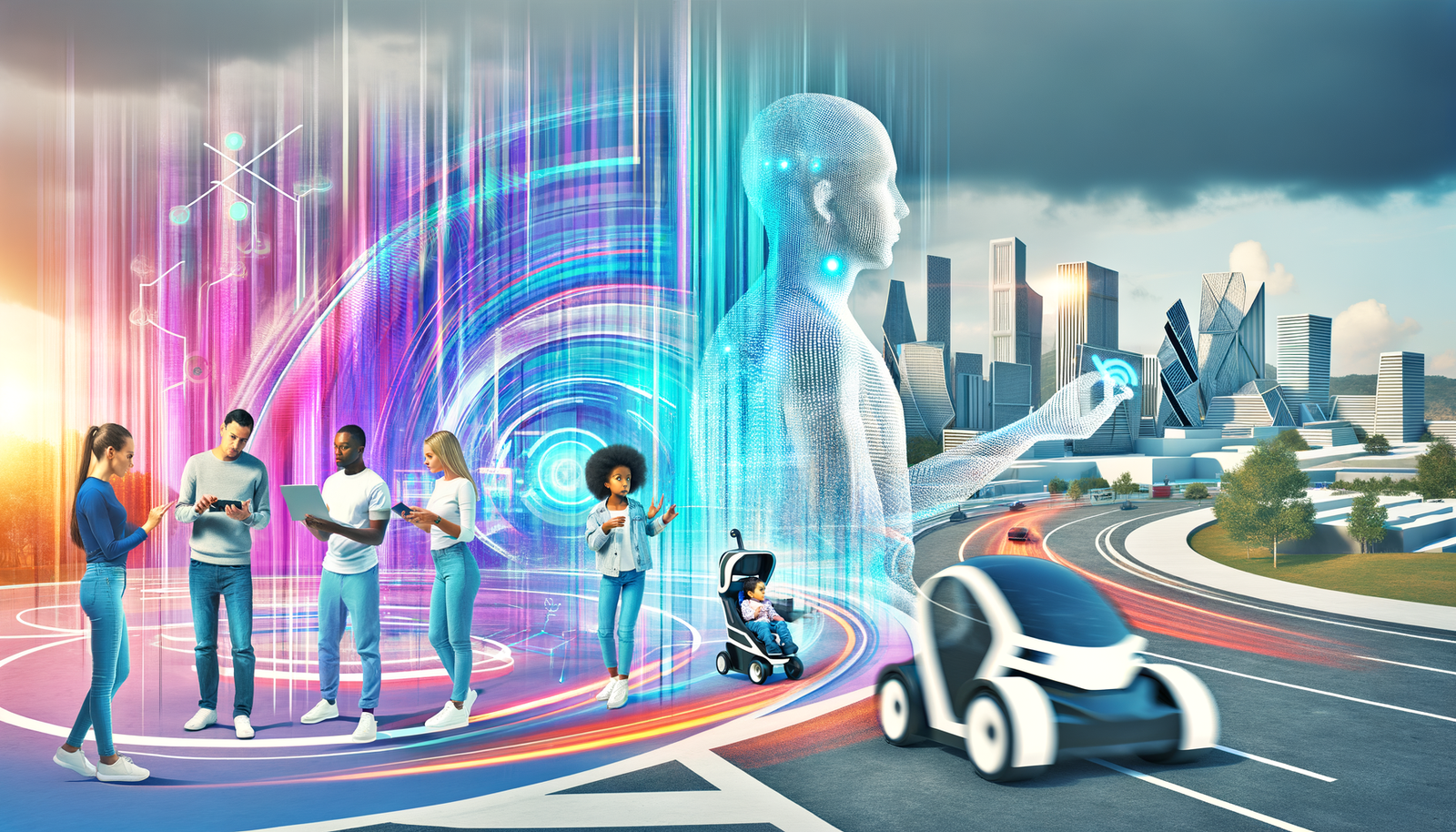
In the past decade, artificial intelligence (AI) has evolved from a futuristic concept into a powerful catalyst for innovation across various industries. One of its most exciting branches, generative AI, is unlocking the future by transforming life and technology in unprecedented ways. From crafting human-like text and images to composing music and generating code, this revolutionary technology is redefining creativity and productivity. As we delve into the world of generative AI, we will explore its profound impact, revealing how it continues to reshape our daily lives and the technological landscape of the 21st century.
The Dawn of Generative AI
Generative AI is more than just a buzzword; it’s a paradigm shift that’s taking the tech world by storm. Defined as a subset of artificial intelligence that focuses on creating new content based on patterns it has learned from existing data, generative AI empowers machines to generate everything from art to algorithms. Consider the myriad creative possibilities: artists can now collaborate with AI to generate stunning visual art, writers may find inspiration in AI-generated text, and businesses can leverage AI for custom-tailored marketing strategies.
Why Generative AI Matters
If there’s one thing that makes generative AI so significant, it’s its ability to break down the barriers of human creativity and productivity. Here’s a peek into why generative AI is an absolute game-changer:
- Improvements in Creativity: Artists and writers aren’t being replaced; they’re being augmented. With tools like DALL-E and ChatGPT, we’ll see a fusion of human creativity and machine efficiency.
- Accessibility: Generative AI democratizes creative processes. Even those without artistic or technical skills can create quality content with a few clicks.
- Speed: Traditional creative processes can be time-consuming. Generative AI can handle complex tasks in mere seconds, allowing for rapid development and iteration.
- Cost-effectiveness: By reducing the need for extensive human intervention, businesses can save on costs while maximizing output.
- Customizability: Companies can produce highly personalized content tailored to individual customer preferences or demographics using generative AI.
Applications in Everyday Life
Generative AI isn’t just theoretical. Its applications are already woven into the fabric of our daily lives. Let’s explore some fascinating avenues where this technology is making its mark:
1. Content Creation
Content creators are harnessing the power of generative AI to produce everything from blog posts to video scripts. With AI tools capable of analyzing trends and audience engagement, writing has never been easier or more aligned with consumer expectations. Imagine typing in a few keywords and having a fully developed article come to life. It’s like having your very own ghostwriter!
2. Entertainment
From composing original music to generating storylines for films, generative AI is revolutionizing the entertainment industry. Yes, AI can even create an entire symphony that sounds as if it was composed by Beethoven himself! Streaming services are utilizing AI to personalize viewing experiences, suggesting content tailored to individual tastes.
3. Design and Fashion
The world of design has been profoundly influenced by generative AI. Fashion designers are using it to create innovative patterns and styles, while graphic designers can quickly generate high-quality visuals that suit their project needs. This technological synergy allows for experimentation that was once limited to human imagination.
The Risks and Ethical Dilemmas
As with any powerful tool, generative AI isn’t without its challenges. Ethical considerations and potential risks come into play when we talk about technology capable of creating hyper-realistic content. The very capabilities that make it groundbreaking also raise concerns about authenticity and misuse.
- Disinformation: Generative AI can produce convincing fake news or misinformation, complicating the narrative around media trust.
- Copyright Issues: Works created by AI challenge the traditional notions of authorship and ownership, leading to legal and ethical debates.
- Bias: AI models trained on biased datasets can perpetuate stereotypes or inaccuracies, influencing societal views and perpetuating inequities.
Shaping the Future Workforce
The infusion of generative AI into daily tasks prompts us to consider its implications for the workforce. Are we witnessing the dawn of a new era of collaboration between humans and machines? Or are we heading toward job displacement? Experts are torn, but one thing is clear: The future will demand a hybrid approach, where human ingenuity meshes with machine efficiency.
For instance, marketing professionals can leverage generative AI to analyze data for targeted campaigns while focusing on big-picture strategy. Similarly, designers may use AI-generated blueprints as a foundation, allowing them to add unique human flair. This partnership could make work more exciting, enabling humans to engage in higher-order tasks and creative pursuits.
Real-World Examples of Generative AI
One need only look to a variety of sectors for tangible examples of generative AI at work:
- OpenAI’s ChatGPT: As an AI language model, it can converse with users, answer questions, and even provide study assistance. It’s not only useful for students but also for professionals seeking quick information.
- DeepArt: This AI service takes your pictures and transforms them into artwork inspired by famous painters, bridging the gap between technology and aesthetics.
- NVIDIA’s GauGAN: An AI-based tool that turns doodles into realistic images, demonstrating how generative AI can empower visual creativity.
The Future is Bright: What Lies Ahead
As we embrace the rapid evolution of generative AI, we find ourselves standing at the intersection of creativity and technology. Industries are transforming, and lives are being enriched by the unique opportunities this groundbreaking tool presents. Educational institutions are gearing up to prepare the next generation for a world where human and AI collaboration is standard. This requires a fundamental shift in our understanding of creativity, work, and ethical responsibility.
It’s time to ask ourselves, what do we envision for the future? The possibilities are dazzling: a world where artistic expression is boundless, problem-solving is redefined, and everyone can tap into creativity previously thought to be solely within the realm of experts. Wouldn’t it be marvelous to see generative AI as a companion—a collaborator that encourages us to dream bigger and create more varied than ever before?
Conclusion
In conclusion, generative AI is unlocking the future by transforming life and technology in ways we’re only beginning to grasp. From its applications in content creation and design to its implications for work and ethics, this powerful tool invites us to speculate about the future and take an active role in shaping it. As we continue to navigate this exciting landscape, let’s embrace the potential that lies ahead. Generative AI isn’t just altering our reality; it’s a partner in innovation, encouraging us to envision all that we can create together.
For those eager to discover more about the applications of generative AI, look no further than Neyrotex.com. As we move forward into this new frontier, the possibilities are limitless, and the future is undoubtedly bright!