Revolutionizing Voting: AI-Powered Vote Counting Test on Nov 9
In an era where technology reshapes traditional processes, the upcoming partial elections for municipal mayors on November 9 will showcase a groundbreaking approach: AI-Powered Vote Counting. Revolutionizing voting, this innovation promises to streamline and enhance the accuracy of vote counting and result extraction. The integration of artificial intelligence into the electoral process stands to not only increase efficiency but also foster trust in the electoral system. As we move towards the future, the implementation of AI in these electoral practices paves the way for a more transparent and reliable democratic process.
A Leap Towards Innovation
The concept of AI-Powered Vote Counting may sound like something out of a futuristic sci-fi novel, yet it is very much a reality today. The aim is to modernize how elections are conducted, particularly in the way votes are counted. Traditionally, manual counting has been fraught with potential problems: errors can occur through human oversight, making counting labor-intensive and often time-consuming. However, with this new technology, the process not only becomes faster but also less error-prone.
Unpacking the Technology
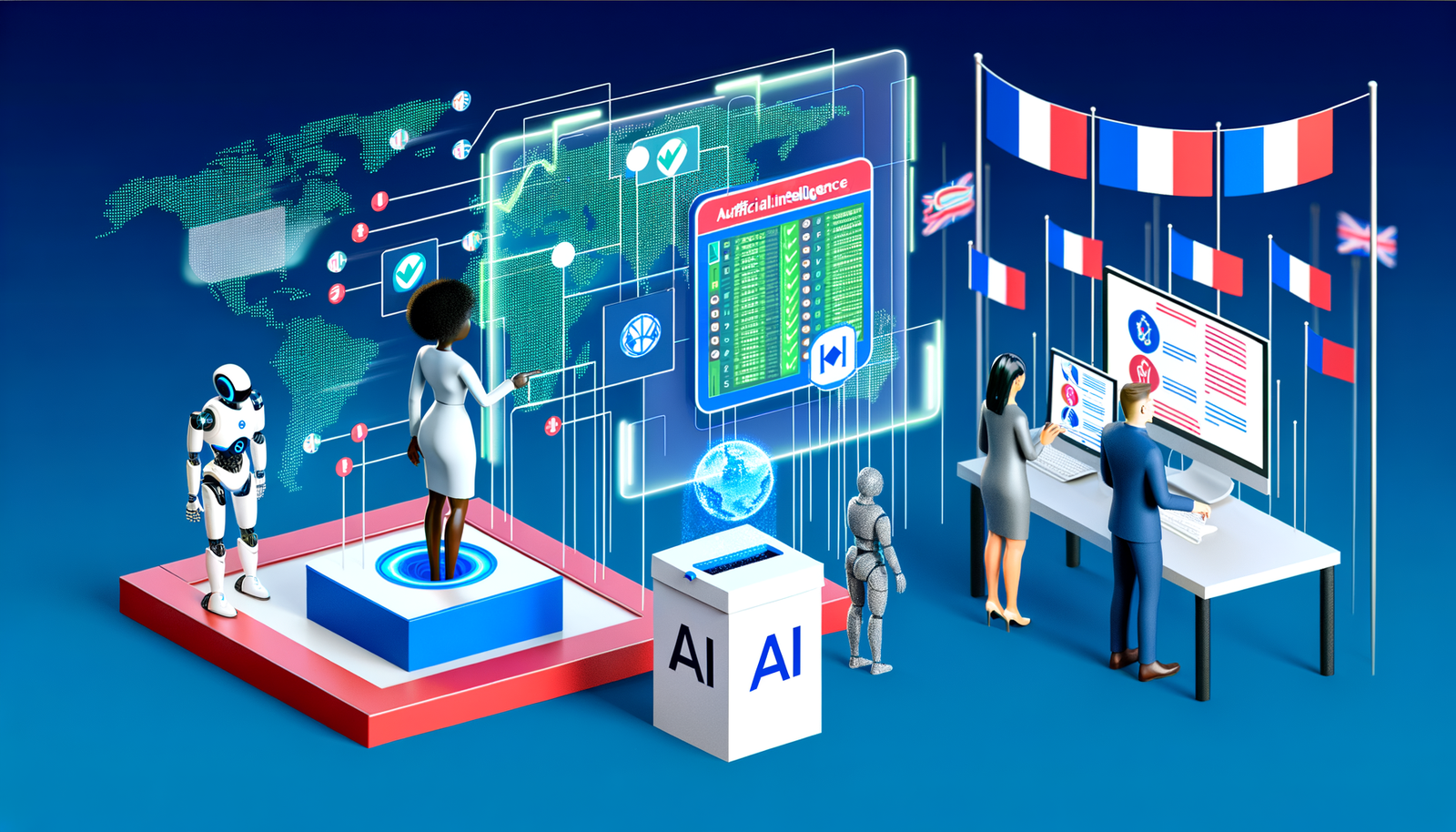
At its core, AI-Powered Vote Counting employs advanced algorithms and machine learning techniques. By using sophisticated image recognition software, the AI can read, analyze, and process ballots with incredible speed and accuracy. Here’s a brief breakdown of how this revolutionary process works:
- Ballot Scanning: Each vote is scanned and interpreted by the AI system, allowing for rapid input of data.
- Data Processing: Using machine learning, the AI evaluates the results and identifies any inconsistencies.
- Statistical Analysis: The technology optimizes counting by flagging unusual patterns that may indicate issues, ensuring that anomalies are investigated.
This synergy of hardware and software not only expedites the work but also injects a layer of accountability into the process. If there’s a dispute or challenge to the results, the AI can provide verifiable data and analysis to ensure every vote is counted accurately.
The First Test: Expectations and Implications
The test run for AI-Powered Vote Counting on November 9 is garnering considerable attention. For the first time, voters and officials alike will have the opportunity to see how well this cutting-edge technology can perform in a real-world setting. In anticipation of this groundbreaking event, local election officials are optimistic.
But what are the implications of this revolution in voting? Let’s take a closer look:
- Efficiency: The ability to count votes more efficiently could lead to quicker election results, which is crucial in today’s fast-paced digital age.
- Transparency: With real-time data analysis, voters may feel more trust in the electoral process. AI systems can be audited, reinforcing the idea that elections are fair and credible.
- Scalability: This technology could be applied to elections of all sizes, from local municipal elections to national contests, thereby standardizing processes across the board.
Challenges Ahead
While there is no doubt about the potential benefits of AI-Powered Vote Counting, we must also consider some legitimate challenges that may arise. The road to complete transparency and reliability with AI is not without its hurdles:
- Security Risks: As with any technology, there are concerns about cybersecurity. Maintaining robust protection against hacking or manipulation is crucial.
- Public Perception: Embracing AI in elections may face skepticism from those who are wary of technology. Educating and reassuring voters will be vital.
- Implementation Costs: While the long-term savings could be significant, the initial investment in technology and training can be daunting.
The Future of Voting
As we stand on the brink of this transformative event, one can’t help but think about what the future holds for voting and democracy as a whole. The move towards AI-Powered Vote Counting signifies not just a technological shift but a cultural and philosophical one. With each algorithm and line of code, we are witnessing a change in how we engage with our democratic processes.
These changes create an expectation of continued innovation in the electoral space. If AI can work here, where else might it be deployed? Could we eventually see AI managing various aspects of governmental systems, from public policy analysis to resource allocation? The sky could be the limit.
International Trends
The experiment in Albania with AI-Powered Vote Counting is not isolated. Across the globe, countries are beginning to explore ways in which artificial intelligence can improve voting processes, responding to the growing demand for faster, more accurate, and transparent elections.
For instance, some countries have already begun utilizing blockchain technology to secure ballots, ensuring that tampering is nearly impossible. AI integrates seamlessly into this concept by improving oversight and auditing capabilities. The push towards modernizing electoral processes is becoming a universal trend that has the potential to reform democracies worldwide.
Conclusion
As we gear up for the AI-Powered Vote Counting test on November 9, this is more than an experiment; it’s a statement of faith in our ability to adapt and innovate. If successful, it may redefine the very foundation of how we understand voting. Among many other benefits, this technology promises not only to make elections more efficient, but to ensure that every vote counts—literally and figuratively. As citizens, we should all anticipate this leap forward while remaining vigilant about its implementation.
The winds of change are upon us, and voting, in all its forms, is set to take on a new, invigorating approach. Let’s stay tuned for what this bold step into the future will reveal amidst the promise of democracy enhanced by artificial intelligence.
For those seeking more information on the intersection of technology and democracy, you can visit Neyrotex.com.