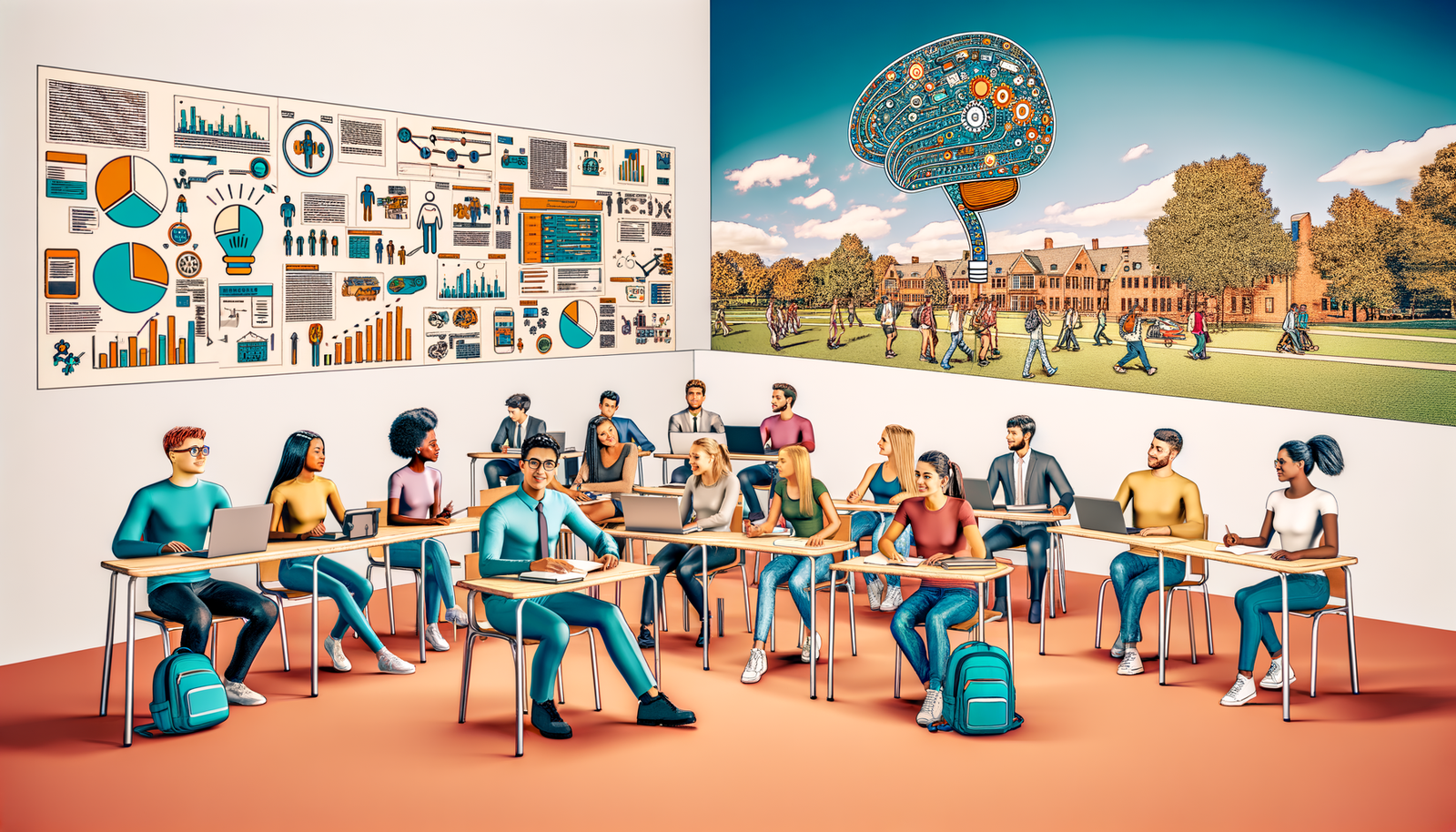
Explosive Rise of AI Student Groups: Debate Ignites Club Culture
As artificial intelligence continues to reshape industries and everyday life, student-led organizations focused on AI are experiencing an explosive rise in interest. Clubs like Yale’s Artificial Intelligence Association, the Yale Artificial Intelligence Alignment, and the Yale Artificial Intelligence Policy Initiative are at the forefront of this movement. With debates igniting club culture, these groups provide platforms for students to discuss the ethical, social, and technical implications of AI. They not only foster collaboration and learning but also prepare the next generation of leaders in this transformative field, highlighting the growing importance of AI in academic environments.
The Surge in AI Student Groups
In recent years, there’s been an unprecedented uptick in the formation and popularity of AI-related student groups across campuses, with institutions like Yale leading the charge. Once considered niche, these organizations have rapidly transformed into crucial hubs for innovation and discourse. They not only serve as breeding grounds for engineering, computer science, and data science enthusiasts but also engage students from diverse majors including philosophy, sociology, and business. This melting pot of perspectives enriches the conversation about AI and helps students understand its multifaceted impacts on society.
The Role and Influence of AI Clubs
These AI student groups are not just about coding and algorithms; they emphasize the broader implications of technology. For instance, at Yale, the clubs provide frameworks for discussing the ethical dilemmas posed by AI, spanning issues of bias in algorithms, privacy concerns, and the potential for job displacement due to automation. Engaging in these dialogues enhances students’ critical thinking skills and equips them with the ability to navigate the complex landscape of technology. By collaborating with faculty and hosting guest speakers from the industry, these organizations offer insider knowledge that can substantially benefit their members.
Key Activities of AI Clubs
- Workshops and Hackathons: Many clubs organize coding competitions and coding workshops, fostering practical skills in real-world applications of AI.
- Guest Lectures: They frequently invite experts in AI to lecture on various aspects of the technology and its implications.
- Research Initiatives: Group members may collaborate on projects or papers that can contribute to the evolving field of AI.
- Networking Opportunities: These clubs often host social events that connect students to potential mentors, internships, and job opportunities.
The Debate Over AI’s Ethical Implications
With great power comes great responsibility. Student groups are at the forefront of pushing the conversation about AI ethics. As algorithms increasingly influence decisions that impact lives—from hiring practices to criminal justice—the need for ethical scrutiny becomes all the more crucial. Debates within these clubs are as lively as they are informative, as students grapple with questions of accountability, fairness, and the moral implications of technology. There’s a sense that this is not just theoretical discourse; these issues are real and pressing, calling for solutions that blend technical understanding with ethical considerations.
Collaboration Across Disciplines
A remarkable feature of these AI student groups is their interdisciplinary approach. They realize that the future of AI research and application cannot be limited to computer science alone. By integrating knowledge from various fields, including psychology, law, and environmental science, student organizations are nurturing well-rounded discussions. For instance, understanding human cognition can influence machine learning models, while insights from sociology can guide AI development aimed at improving social welfare.
Promoting a Diverse Discussion
The growth of AI student groups also highlights the importance of inclusivity. Recognizing that diverse perspectives lead to better solutions, these organizations actively work to encourage participation from underrepresented groups in tech. This is crucial, especially in a field where biases can inadvertently seep into AI systems if not checked. Many clubs have instituted dedicated programs and initiatives to mentor underrepresented students in the tech space, fostering an environment where everyone feels valued and empowered to contribute.
Preparing Future Leaders
The ultimate goal of these AI student groups extends far beyond awareness and discussion; they aim to prepare the future leaders of the AI industry. As students develop skills and build networks, they become equipped to tackle real-world challenges posed by this technology. It’s an empowering experience—one that empowers young innovators and thought leaders to push the boundaries of what AI can achieve, while also considering its implications on society at large.
Career Pathways in AI
Participating in AI student organizations can also open pathways toward lucrative careers. With industries increasingly relying on data-driven decision-making, there is a booming demand for professionals skilled in AI. Many students discover a passion for this field through club involvement, leading them to pursue internships and career opportunities that pave the way for a successful future. By fostering connections between students and industry leaders, these clubs play a crucial role in bridging the gap between education and employment.
A Growing Community
The rise of AI student groups has created a vibrant community that transcends mere academic interests. As members share insights, engage in debates, and collaborate on projects, they forge bonds that often last beyond graduation. These organizations provide a supportive environment where students can express their ideas and challenge one another, making the club culture not only informative but also enriching.
Navigating Challenges Ahead
While these clubs certainly represent a positive trend, they are not without challenges. Balancing the pace of technological advancements with ethical considerations can create tension. Furthermore, maintaining engagement and interest among members can be complex, especially in an era where students are bombarded with extracurricular opportunities. However, through creativity and energy, many of these organizations continue to innovate and evolve, finding new ways to engage their members and address the ever-changing landscape of AI.
Conclusion: The Future is Bright
As we look to the future, the explosive rise of AI student groups signals a promising horizon for the field of artificial intelligence. It reveals a shift toward a more interdisciplinary, ethical, and collaborative approach to learning and innovation. If we harness this momentum, the students involved today might just be the changemakers of tomorrow—leading us into a future where technology and humanity coexist harmoniously.
In this age of transformation, AI clubs are not merely a trend; they are a vital piece of the educational puzzle, shaping the perspectives and trajectories of the next generation of leaders. With each workshop, debate, and collaboration, these students remind us that the importance of AI extends far beyond the classroom—it is about shaping our future.
For those looking to get involved, whether through participation or support, there’s never been a more exciting time to dive into this field. As the dialogue continues and innovations unfold, students will play a pivotal role in navigating this transformative journey. Explore more about AI and its implications at Neyrotex.com.