As the rapidly evolving world of artificial intelligence continues to intersect with intellectual property rights, a recent significant ruling has emerged, igniting passionate debates within the legal and tech communities. The case highlights Meta’s AI copyright victory, which serves as a stark fair use warning for creators and developers alike. This ruling not only shapes the landscape of AI-generated content but also raises critical questions about the boundaries of copyright in the digital age. As we delve deeper into this unfolding saga, it’s essential to understand the implications for creators, users, and the future of AI technologies.
Understanding Meta’s AI Copyright Victory
In a landmark judgment, Meta has successfully navigated the murky waters of copyright and artificial intelligence, reinforcing the principle of fair use amidst a growing tide of digital innovation. At the core of this case lies the intersection of creative expression and automated processes, which has generated much discourse as legal entities scramble to define the ramifications of this ruling. But what does this victory mean for creators and the AI community?
The Ruling’s Context and Implications
The court’s decision centers around the usage of AI in generating content based on patterns and inputs derived from existing works. Companies like Meta argue that AI-generated content does not constitute direct infringement of copyright, primarily because the machine learning algorithms analyze vast datasets and create new outputs rather than replicating pre-existing materials verbatim.
In essence, this ruling highlights a critical distinction: the shift from traditional notions of copyright infringement to a more nuanced understanding of how AI interacts with existing works. As creativity finds its new avatar in the algorithms of today, the way we approach copyright is evolving. This is necessary not just for the future of technology, but also to ensure that creators are protected while they continue to innovate.
Fair Use: A Double-Edged Sword
While the ruling underscores the notion of fair use, it simultaneously acts as a cautionary tale for creators who may inadvertently forge paths into legal gray areas. The fair use doctrine allows for certain allowances in the use of copyrighted material without permission from the original creator, but the line can quickly blur, leading to potential litigation.
- Educational Purposes: Works used in classroom settings can often be considered fair use, offering a leeway for teachers and students.
- Transformative Use: If a new piece of work adds value, originality, or context, it may qualify for fair use.
- Commercial vs. Non-Commercial: Using a work for profit can reduce the chances of fair use being applied successfully.
- Amount and Substantiality: The quantity of copyrighted material utilized matters—a small excerpt may qualify while using a significant portion may not.
For creators looking to leverage AI technology, understanding these nuances becomes paramount. As AI-generated content becomes more prevalent, so too does the necessity for a comprehensive understanding of what constitutes fair use in an age dominated by technology.
The Perils of Content Creation in the Digital Age
Meta’s victory serves as a prime example of an evolving digital landscape where the lines between inspiration and infringement are increasingly blurred. Content creators, illustrators, writers, and musicians may find themselves at the whims of algorithms without clear guidance on what is permissible.
The proliferation of machine-generated content can present significant challenges. For one, it raises ethical questions about authenticity and originality. Artists who invest their time, energy, and passion into their work may feel disenfranchised when machines create works at a fraction of the time and cost. Furthermore, how do we prevent the dilution of creativity in a world where everything might be at an AI’s fingertips?
The Boundary of AI and Human Creativity
Create, innovate, repeat. That’s the cycle creators follow, yet now, with the advent of AI technologies that leverage existing works, the purity of this creative endeavor is under scrutiny. The concern arises not merely from the potential for copyright infringement but also from the very spirit of creativity. Are we reshaping what it means to be a creator in a world where discernment between human-made and AI-generated blurs?
Art, by definition, is subjective; defined by its ability to evoke emotion, convey ideas, and inspire thought. However, the integration of machines into the creative process may provoke skepticism about authenticity. How do we tackle the misconceptions that automation equates to the degradation of artistic value? The pressing questions ask whether art still retains its essence when creation shifts to algorithmic outputs instead of human hands.
A Call to Action for Creators and Allegators
If this ruling suggests one key takeaway, it is clear: the future of artistic creation lies in understanding the delicate balance between innovation and preservation. Creators must strive to engage with AI while simultaneously championing the value of their original artistry. This might mean actively participating in dialogues about fair use and copyright laws or finding ways to incorporate ethical considerations into AI practices.
Moreover, as legislation and case law evolve, creators are called upon to adapt to these changes and perhaps even embrace the tools that AI provides. Adaptation has always been a vital part of any creator’s journey, and now, as we navigate the challenges posed by AI, it remains more important than ever.
The Future: Collaboration Over Replacement
Meta’s AI copyright victory might not bode well for some creators, but it also opens the door to new possibilities. What if creators and AI could collaborate rather than compete? This idea fuels conversations that blur the boundaries of traditional roles—showcasing a time when human ingenuity meets machine learning in synergy, fostering unprecedented avenues for artistic exploration.
AI can be viewed as an assistant, a collaborative partner, rather than a replacement. By redefining its use, creators can harness AI’s efficiency while infusing their unique perspectives and emotions into every creation. The more we understand the nature of AI in the realm of copyright, the more we can integrate it sensibly into our creative toolkit.
Conclusion: Navigating a New Creative Frontier
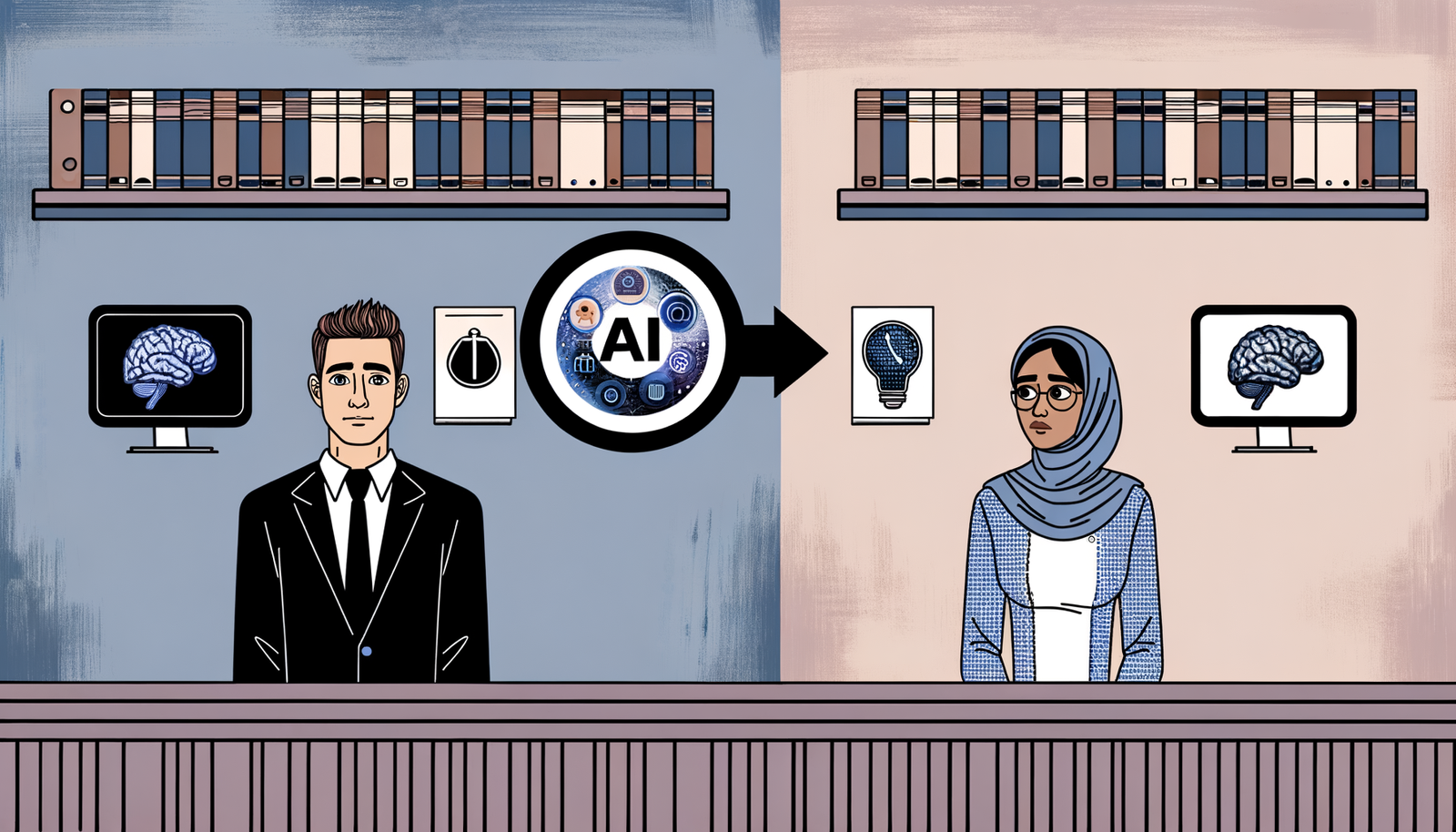
As we digest the implications of Meta’s AI copyright victory, it’s clear we’re at a pivotal junction. The courtroom dynamics encapsulate an era where technology and creativity converge, prompting creators to rethink their approaches to originality and expression. Fair use no longer represents a mere legal protection; it is a call to action for a collaborative dialogue between human creators and artificial intelligence.
For artists, understanding this new terrain will determine their path forward. They must embrace the opportunities that AI presents while retaining the essence of what makes their work uniquely theirs. In this uncharted territory, collaboration could pave the way for a new renaissance—one that values both human artistry and the instinct of artificial intelligence.
As we look to the future of AI technology, let’s remember that navigating the complexities of copyright is an ongoing journey of learning, adaptation, and ethical engagement. The road ahead is laden with challenges, but with a spirit of collaboration, creators can thrive alongside the very tools that seek to augment their craft. Together, let’s explore this exciting landscape where art meets AI, redefining what it could mean to be a creator in the digital era.
For more information on the intersection of AI and copyright laws, visit Neyrotex.com.