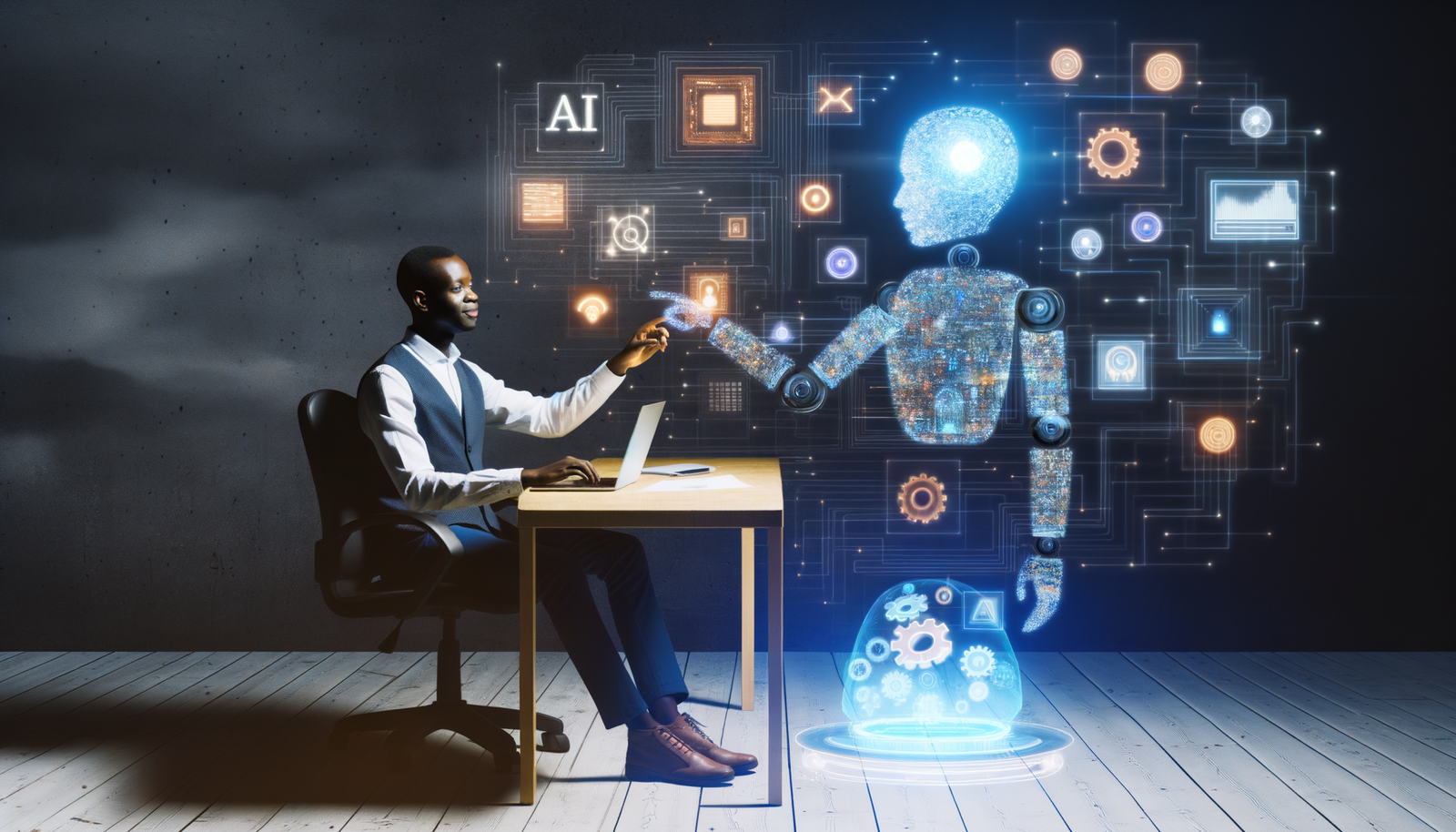
In the numerous debates currently raging around the future of AI in India, one element is often missing: the role of humans. Contrary to some beliefs, AI is not a standalone solution; rather, it thrives when integrated with human insight and creativity. Unlocking AI’s potential requires an understanding that humans must lead the way, guiding ethical frameworks and innovative applications. As we navigate the complexities of this technology, it is crucial to recognize that a harmonious relationship between human intelligence and artificial intelligence holds the key to unlocking unprecedented opportunities for growth and development in our society.
Unlocking AI’s Potential: Why Humans Must Lead the Way
Artificial Intelligence (AI) isn’t just a technological marvel—it represents a burgeoning partnership between humans and machines. While dazzling advancements in AI have spurred admiration and skepticism alike, the conversation often overlooks the crucial element that brings AI to life: humans. As we delve into the world of AI, it becomes increasingly apparent that to unlock AI’s full potential, we must acknowledge our responsibility and role in steering these powerful systems.
The Symbiotic Relationship Between Humans and AI
AI is designed to mimic human intelligence, processing data at speeds and volumes that would confound even the most astute human mind. However, these systems lack the emotional depth, context, and judgment that only humans can provide. To foster a productive relationship between human and AI, we must approach this technology with the understanding that it serves as an augmentation of our capabilities rather than a replacement. Simply put, AI amplifies what humans do best while compensating for our weaknesses.
Why Humans Are Essential to AI’s Success
- Contextual Understanding: AI excels at data analysis but lacks the nuanced understanding that comes from human experience. For instance, while AI can sift through vast amounts of information in a matter of seconds, it struggles to grasp the subtleties of cultural significance or interpersonal dynamics.
- Ethical Considerations: As AI systems become more powerful, ethical dilemmas around bias, decision-making, and privacy become paramount. Humans are essential in establishing guidelines and frameworks that protect against misuse, ensuring that AI serves the best interests of society.
- Creative Problem Solving: Innovation thrives on creativity. AI can propose solutions based on existing data, but human intuition and creativity breathe life into these ideas, paving the way for truly groundbreaking advancements.
- Emotional Intelligence: While AI can simulate conversation or analyze sentiments, it cannot genuinely understand emotions. Human input is critical in areas such as customer service, healthcare, and education, where empathy plays a significant role.
Building Trust and Collaboration
The adaptation of AI in various sectors hinges on building trust between humans and machines. This trust forms the foundation for effective collaboration, allowing both parties to evolve in tandem. To foster such trust, several key strategies must be employed:
- Transparency: AI systems should be developed transparently, ensuring that users understand how decisions are made. By explaining algorithms and decision-making processes, we can demystify the technology, making it more approachable and less daunting.
- Education and Training: Just as AI requires training data to learn, humans need education and training to harness its capabilities effectively. Programs should focus on upskilling the workforce in collaboration with AI tools, ensuring that individuals are equipped to leverage AI’s strengths.
- Engagement with Diverse Communities: Involving diverse voices in the development of AI technologies will lead to more comprehensive solutions. By engaging communities from various backgrounds, we can ensure that AI serves everyone effectively, minimizing potential biases.
- Feedback Loops: Establishing mechanisms for continuous feedback can further support effective AI-human collaboration. This dialogue helps improve AI systems, making them more responsive to human needs and societal values.
The Role of Designers, Developers, and Policymakers
As we work to unlock AI’s potential, designers, developers, and policymakers play a pivotal role in steering this technology in a direction that benefits everyone. Here are some considerations for each group:
- Designers: These creative minds must focus on user-centered design, ensuring that AI tools are intuitive and accessible. By prioritizing user experience, designers can create AI applications that feel like a seamless extension of human capabilities.
- Developers: The technical wizards behind AI must be vigilant regarding the ethical implications of their work. Developers have a duty to combat bias in algorithms, ensuring that AI systems treat all users with fairness and respect.
- Policymakers: Legislation can provide the backbone for ethical AI development. Policymakers must craft guidelines that regulate AI use while allowing room for innovation. Collaboration with tech experts is vital to create frameworks that address emerging challenges effectively.
Embracing the Future Together
The road ahead for AI holds exciting promise, filled with opportunities for innovation and growth. However, realizing this potential hinges on our willingness to embrace a collaborative approach, one that places humans at the forefront. By fostering a relationship between AI and human intelligence, we can navigate ethical dilemmas, drive technological advancements, and build a society that maximizes the benefits of AI.
As we stand at this crossroads of human and artificial intelligence, it’s essential to recognize that the future is not solely about replacing tasks but about enhancing human potential. By joining forces with AI, we can redefine what is possible, unleashing the vivid imagination and creativity that would otherwise dwell in the shadows.
Examples of AI Enhancing Human Life
From healthcare to education, AI has already begun transforming how we live and work. Some notable examples include:
- Healthcare: AI systems are used to analyze medical images, providing accurate diagnoses faster than humans might achieve alone. Yet it’s the human doctors and nurses who combine this technology with their expertise and compassion to deliver exemplary patient care.
- Education: AI-driven personalized learning platforms adapt to individual student needs, promoting engagement. While these tools deliver tailored support, it’s the teachers who use this information to inspire and cultivate young minds.
- Business: Firms leverage AI for predictive analytics and automated processes, streamlining operations. However, human strategists remain vital for interpreting data insights and making strategic business decisions based on them.
The Time to Act is Now
As we forge ahead into a future shaped by artificial intelligence, it’s evident that humans must lead the charge. With a focus on building trust, fostering collaboration, and creating ethical frameworks, we can unlock the full potential of AI. The journey of AI is not a solitary evolution but a vibrant partnership, resonating with the creativity and ingenuity inherent to humanity.
In conclusion, for AI to flourish in tandem with human intelligence, we must commit to paving the way. By embracing our role, ensuring that ethics and empathy guide our efforts, we can create a world where both humans and AI thrive together, unlocking possibilities previously thought to be mere fabrications of our collective imagination.
To learn more about how we can cultivate a productive relationship between AI and human intelligence, visit Neyrotex.com, where new ideas and innovations await.