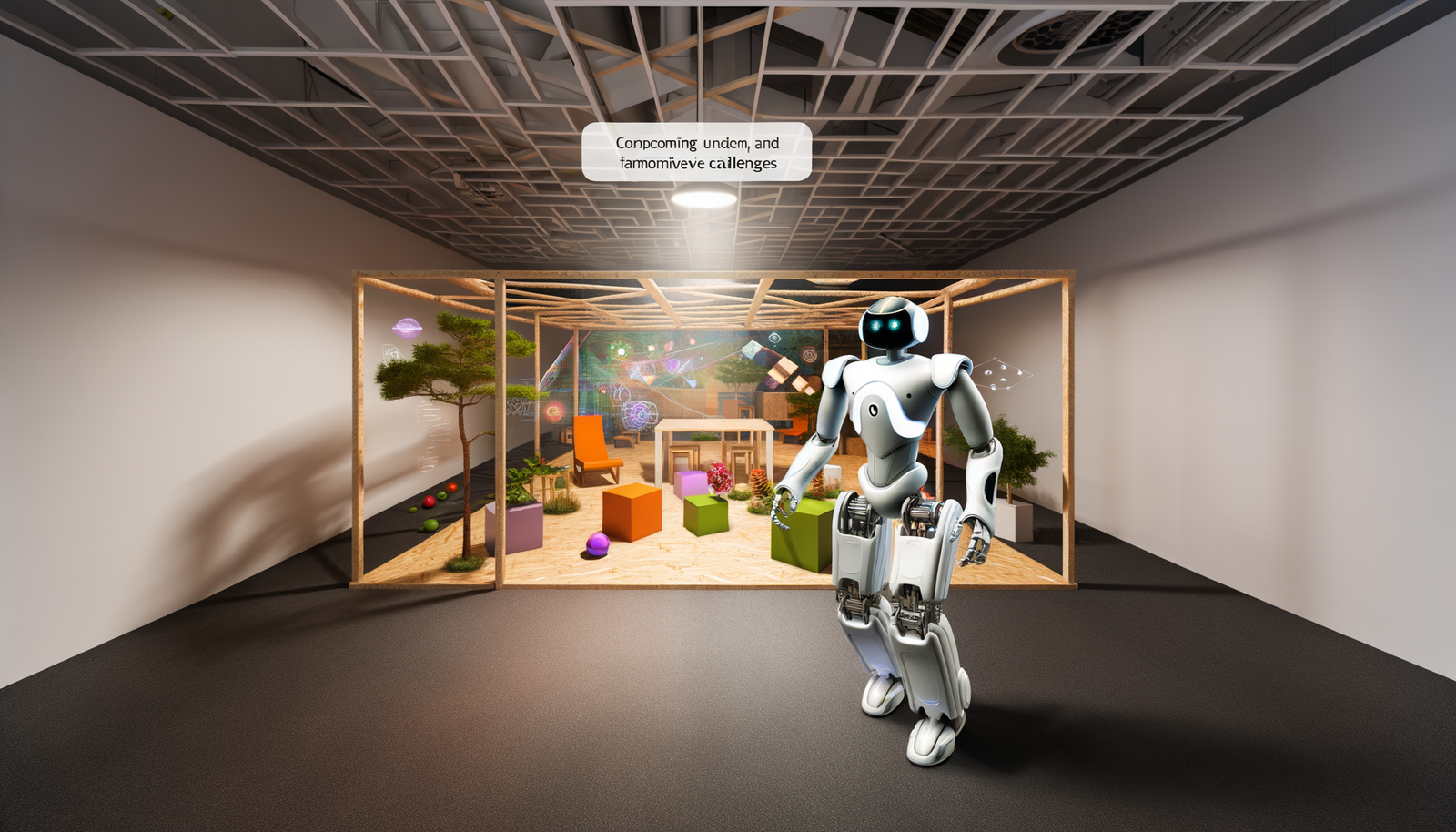
As technology continues to evolve, Meta’s recent innovation presents a significant leap toward achieving advanced machine intelligence. Their groundbreaking architecture empowers robots in unknown spaces, transforming industries and creating new possibilities. This advancement is particularly relevant in fields such as manufacturing automation, surveillance analytics, in-building logistics, and robotics. By leveraging this architecture, businesses can enhance efficiency and adaptability, tackling complex tasks in dynamic environments. As we explore the implications of this technology, it becomes clear that Meta is paving the way for a future where intelligent machines seamlessly integrate into various applications, revolutionizing the way we work and interact.
Revolutionizing Robotics Through Innovative Architecture
Imagine a world where robots can navigate through an office setting they’ve never been to before, deftly avoiding obstacles and efficiently carrying out tasks with zero prior knowledge of their environment. This scenario is not the stuff of science fiction anymore; it is rapidly becoming a tangible reality thanks to Meta’s groundbreaking architecture. With this profound shift in the landscape of robotic functionality, manufacturers, and service industries will soon reap the benefits of robots that not only learn faster but can also seamlessly adapt to their surroundings.
The Framework of Meta’s Breakthrough Architecture
So, what is this innovative architecture all about? Meta has developed a sophisticated framework focused on enhancing robots’ interaction in unfamiliar environments. This architecture maintains a robust combination of real-time data processing and machine learning capabilities, allowing robots to detect their surroundings and make real-time decisions.
- Dynamic Learning: Robots equipped with this architecture can learn from their experiences quickly. Each encounter with a new environment enriches their database, enabling them to become more intelligent over time.
- Contextual Awareness: The ability to recognize contextual cues transforms naive robots into intelligent helpers. If a robot encounters an object or a person for the first time, its architecture allows it to assess the situation and respond appropriately.
- Enhanced Sensory Input: With advanced sensory technology integrated into the architecture, robots can perceive their environments through various modalities, making them versatile in their subjective interpretations.
This triad of features—dynamic learning, contextual awareness, and enhanced sensory input—ensures that robots become not just tools but rather collaborative partners in different sectors.
Applications Across Industries
It’s hard to overstate the potential applications for this technology. Let’s explore some industries where Meta’s breakthrough architecture is likely to make a tremendous impact:
1. Manufacturing Automation
In factories where variability and change are constant, robots powered by this innovative architecture can adapt in real time—leading to increased efficiency and reduced downtime. This flexibility allows for quick reconfiguration of production lines and better handling of unexpected events.
2. Logistics and Supply Chain Management
In logistic centers, robots need to navigate through aisles piled high with unpredictable stock levels. The enhanced adaptability provided by Meta’s architecture enables these robots to efficiently locate items, prepare orders, and even assist in route optimization—all without the extensive programming traditionally required.
3. Surveillance Analytics
In the realm of security, the ability of robots to function in previously uncharted territories leads to better surveillance capabilities. Equipped with advanced analytics and a responsive design, they can identify and report irregularities while navigating unfamiliar landscapes.
4. In-Building Logistics
Think about hospitals, universities, or corporate offices. Robots operating within these spaces often deal with human interaction, dynamic layouts, or even temporary obstacles. With this new architecture, these robots can manage tasks like deliverables and unexpected circumstances, making them crucial allies in diverse environments.
The Road Ahead: Ethical Considerations and Challenges
While the prospects of this architecture are enticing, it’s also vital to navigate the ethical implications it can stir up. As robots become capable of acting with incrementing autonomy, questions surrounding accountability, safety, and ethical programming emerge. Who takes responsibility when a robot malfunctions—especially in sensitive environments like healthcare or security?
Moreover, there’s the matter of privacy. With robots potentially filming or gathering data in public and private spaces, a balance between utility and individual privacy must be struck. Policymakers will need to engage with technologists to forge regulations that protect citizens while promoting innovations.
Market Readiness and Competitive Landscape
As Meta leads the charge with its new architecture, competitors in the robotics and artificial intelligence field will be pressed to innovate or risk falling behind. We might witness a surge in collaborations between tech companies, researchers, and various industries to utilize this technology. Organizations championing rapid adaptation will likely gain a significant edge in the market.
For instance, traditional industry giants may explore partnerships with startups that specialize in AI, thereby accelerating product development and implementation.
Investment in Future Robotics
Another pattern we are seeing is the influx of investment directed towards robotics. Investors recognize that this niche is a burgeoning market with vast opportunities. By backing companies that utilize Meta’s robust architecture, stakeholders could ensure better returns on investment as robotic efficiency takes center stage.
Overall, early adaptors of this technology stand to benefit greatly, as getting a head start allows firms to define their niche before others even realize the possibilities.
Conclusion: A Future of Intelligent Robotics
The vision for a future where robots seamlessly integrate into our daily lives has just received a powerful push thanks to Meta’s breakthrough architecture. This transformative technology promises significant enhancements across various industries, allowing robots to interact and excel in spaces they’ve yet to encounter.
As businesses continue to harness these advancements, they will not only witness a dramatic uptick in operational productivity but also reshape our understanding of robotics. What’s clear is that we are on the brink of a revolution—one that engenders not only efficiency but also a new synergy between humans and machines.
As we move forward, it’s essential to regulate, nurture, and adapt to these developments. The dialogue around technology and humanity must evolve simultaneously, ensuring that innovation serves all, leading us toward not just greater productivity but also a responsible integration of robotics into our everyday lives.
For those eager to delve deeper into advanced robotic solutions and explore the applications of Meta’s breakthrough architecture, visit Neyrotex.com.