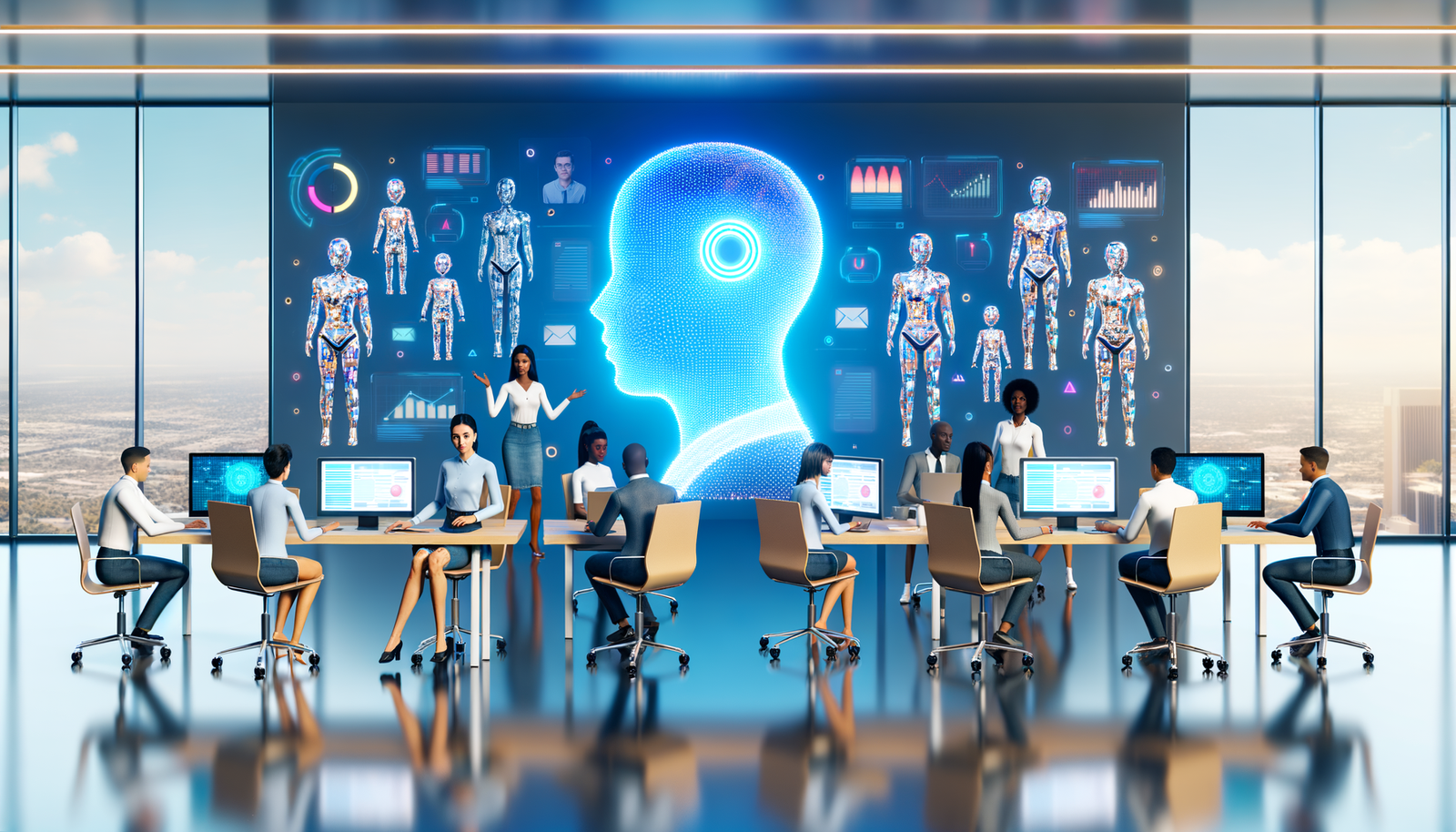
AI has significantly transformed operations across various industries, unleashing autonomous AI identities that are revolutionizing organizations. By integrating advanced AI models, businesses are achieving improved results, heightened productivity, and exceptional outcomes. Today, companies leverage these intelligent systems to gain valuable insights, streamline processes, and enhance decision-making. As we explore the profound impact of AI on identity personalization and organizational efficiency, it becomes clear that the future is bright. Embracing these innovations not only drives competitive advantage but also shapes the way we interact with technology and data in our everyday lives.
Understanding Autonomous AI Identities
Gone are the days when artificial intelligence was merely a tool, relegated to performing specific tasks with narrow capabilities. Today, we stand witness to an exciting evolution—autonomous AI identities are emerging as key players within organizations. These identities not only possess advanced problem-solving skills but also exhibit the capability to evolve, interact, and exhibit human-like behaviors in the digital realm.
What do we mean by “autonomous AI identities”? Essentially, these sophisticated systems can operate independently, making decisions based on real-time data and learning from their experiences. They are engineered to function not just as tools that individuals use but as integral entities that drive various functions within a company. The implications of this transformation are far-reaching, encompassing everything from customer service interactions to driving business strategies.
How Autonomous AI Identities Are Transforming the Workplace
Let’s break down some of the key areas where autonomous AI identities are making an impact:
- Enhanced Customer Experience: Businesses are deploying chatbots and virtual assistants that use AI to understand customer needs. These autonomous identities engage with customers in real-time, providing personalized support that was previously unattainable.
- Data-Driven Insights: AI identities are adept at sifting through vast troves of data, identifying patterns and actionable insights that help organizations make informed decisions. This capability transcends traditional analytics, pushing the boundaries of strategic planning.
- Streamlined Operations: Autonomous identities are automating repetitive tasks, freeing up human employees to focus on higher-level strategic initiatives. This shift not only boosts productivity but also enhances job satisfaction.
- Risk Management: Businesses are leveraging AI identities to predict potential risks by analyzing historical data and industry trends. Autonomous systems can flag anomalies in real-time, allowing organizations to respond proactively.
The Emotional Intelligence of Autonomous AI Identities
Perhaps the most intriguing aspect of autonomous AI identities is their ability to relate to human emotions—albeit through an algorithmic lens. The development of emotionally intelligent AI is pioneering new frontiers in organizational interactions. These technologies can recognize emotional cues from users and adjust their responses accordingly. Imagine a personal assistant capable of detecting a user’s stress level and adapting messaging to provide reassurance or encouragement. This is not science fiction—it’s happening now, and it’s a game-changer for organizational culture.
The Ethical Considerations Surrounding AI Identities
With great power comes great responsibility. The rise of autonomous AI identities does raise important ethical considerations that organizations need to take seriously. Factors like bias in AI decision-making, data privacy concerns, and the need for transparency play crucial roles in the ongoing discussions surrounding AI implementation. Organizations need to take a proactive stance on ethics, ensuring they are not only leveraging AI for profits but also considering the broader impact on society.
Fostering Collaboration Between Human and AI Identities
As we continue to witness the growth of AI identities, it becomes critical for organizations to foster a collaborative environment where both human and AI identities can thrive. This isn’t just about integrating a new technology; it’s about rethinking the workplace’s very fabric. Training employees to work alongside AI effectively through enhanced technology education is vital. Moreover, cultivating an organizational culture that embraces adaptability will be key to navigating the complexities introduced by autonomous AI identities.
- Cross-Training: Implement programs that help workers understand and utilize AI systems effectively.
- Open Communication: Keep lines of communication open to alleviate any fears that employees may have about AI taking over their jobs.
Real-World Examples of Autonomous AI Identities
Several leading companies are already reaping the benefits of harnessing autonomous AI identities. These case studies serve as a beacon light for organizations looking to accelerate their journeys into the AI realm.
- IBM Watson: This well-known AI identity not only processes natural language but also engages with clients to offer tailored solutions in sectors such as healthcare and finance. IBM has effectively positioned Watson as a virtual consultant that can assist with decision-making.
- Salesforce Einstein: Integrating AI within customer relationship management (CRM) platforms, Salesforce Einstein automates routine tasks and provides actionable insights based on client behavior, greatly enhancing user engagement and retention.
- Amazon Alexa: Not only does Alexa serve homes around the globe, but she is also making her way into businesses, enabling voice-activated business processes and streamlining operations with her autonomous capabilities.
The Future of Organizations with Autonomous AI Identities
The prospect of a future where autonomous AI identities are at the helm of many organizational processes is indeed exhilarating. As businesses continue to embrace these innovations, we can expect to see profound changes in not only the operational structure but also the very nature of work itself. Human roles may shift from tasks traditionally handled manually to ones requiring oversight, creativity, and emotional intelligence—areas where humans excel beyond any AI.
As we stride forward, organizations must navigate the complexities introduced by this new technology while keeping a steadfast focus on ethical considerations. Investing in the responsible development of autonomous AI identities is not just a strategic asset but a social imperative that speaks to our collective future.
In conclusion, the rise of autonomous AI identities is revolutionizing organizations, making them more adaptive, insightful, and customer-focused. For companies eager to innovate, leveraging these intelligent identities will not only enhance operational efficiency but also redefine the landscape of interaction between technology and humans. Are we ready to embrace this change?
To learn more about how autonomous AI identities can benefit your organization, visit Neyrotex.com.