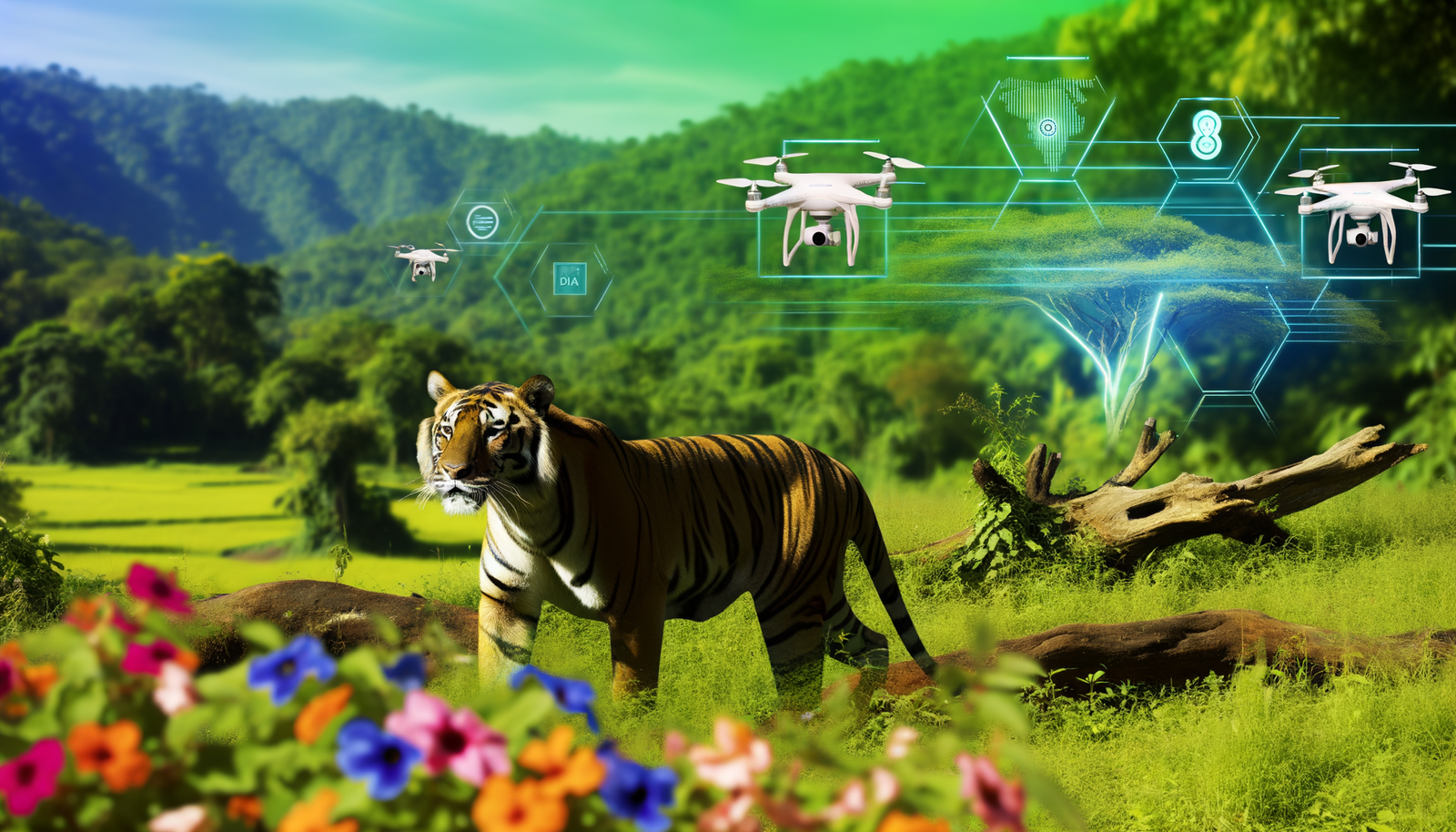
India is at the forefront of wildlife conservation, and harnessing AI is a bold strategy to combat tiger poaching. As the population of these majestic creatures rapidly declines due to illegal hunting and habitat loss, innovative technological solutions become crucial. Artificial intelligence can analyze vast amounts of data, monitor wildlife movements, and predict poaching activities with extraordinary precision. By integrating AI into conservation efforts, India aims to protect its tigers, ensuring their survival for future generations. This initiative not only safeguards biodiversity but also symbolizes the nation’s commitment to preserving its natural heritage.
Harnessing AI: India’s Bold Strategy to Combat Tiger Poaching
The majestic tiger, a symbol of India’s rich natural heritage, finds itself in a precarious situation. With an estimated population decline of 96% over the last century, the fight against tiger poaching has never been more critical. Poaching fueled by demand for tiger parts wreaks havoc on conservation efforts, threatening not only the existence of these extraordinary animals but the ecological balance they help maintain. To tackle this urgent crisis, India is turning to Artificial Intelligence (AI), an innovative approach that promises to revolutionize wildlife protection and conservation.
The Poaching Crisis: A Battle to Save India’s Tigers
According to recent reports, poaching remains a significant threat to India’s tiger population, currently estimated at around 2,967 individuals. The allure of tiger pelts, bones, and other body parts on illegal markets continues to drive these animals toward extinction. In rural areas near tiger habitats, poverty and lack of opportunity exacerbate the situation, causing local communities to rely on poaching as a source of income. However, the tides are beginning to turn as AI tools emerge as an influential force in conservation strategy.
Transforming Conservation with AI
So, how exactly can AI help combat tiger poaching? Let’s break down the transformative impact of incorporating AI into wildlife conservation:
- Data Analysis: AI systems can process vast amounts of data, analyzing patterns from satellite imagery, field cameras, and movement sensors. This data is crucial for understanding tiger behavior and identifying potential poaching hotspots.
- Predictive Analytics: By leveraging machine learning algorithms, conservationists can anticipate poaching incidents before they occur, allowing for proactive measures to be implemented where they are needed most.
- Real-Time Monitoring: Smart sensors, drone technology, and smart cameras integrated with AI provide real-time monitoring of parks and reserves. This technology sends alerts when unusual activities are detected, enhancing the response time of forest rangers.
- Community Engagement: AI can also support community-based conservation programs by providing data-driven insights that empower local populations. By understanding the socio-economic dynamics at play, conservation efforts can align better with local interests, reducing reliance on poaching.
Case Studies of AI in Action
Across India, various wildlife protection projects have already successfully harnessed AI technology to combat poaching. A stellar example is the collaboration between the Indian government and tech companies, utilizing AI in iconic parks like Jim Corbett National Park and Kaziranga National Park. These projects exemplify the exciting possibilities when innovation meets conservation.
Jim Corbett National Park
Jim Corbett National Park in Uttarakhand has taken significant steps to use AI for wildlife protection. Equipped with over 600 cameras and sophisticated AI algorithms, the park monitors tiger movements closely. These cameras are not just capable of capturing high-resolution images; they also analyze video footage to identify potential threats in real-time. This has led to successful operations against poachers, drastically reducing poaching incidents over time.
Kaziranga National Park
Kaziranga National Park, known for its thriving population of the Indian one-horned rhinoceros, has equally adopted AI-driven approaches. The park has developed advanced surveillance systems employing drones equipped with AI technology to patrol hard-to-reach areas. With AI-powered drones hovering over vast territories, rangers can quickly respond to any suspicious activity, combating poaching more effectively.
The Role of Community in Conservation
As previously mentioned, community involvement is paramount in protecting tigers. AI not only guides ranger operations but can also educate locals about the importance of biodiversity and the economic value of ecotourism. Through workshops and training programs, local populations are encouraged to become guardians of the forest rather than unwitting participants in the poaching crisis.
By providing alternative livelihoods, such as work in conservation tourism, communities can critique the concept that poaching is their only economic option. Focused on increasing awareness, these programs integrate AI solutions to show real-time data about the impact of illegal hunting on tiger populations, further empowering the community to take control of their natural resources.
The Future of AI and Wildlife Protection
The integration of AI into the conservation sphere not only reinforces ongoing efforts but also looks toward a future where technology is at the forefront of wildlife preservation. Imagine a network of smart cameras, drones, and sensors all intersecting to create a holistic view of tiger habitats—a living, breathing tapestry of data flowing in real-time. Such a future isn’t as far off as it seems!
To maintain the momentum gained through AI initiatives, continued investment in technological solutions, training of personnel, and community engagement is vital. As new advancements emerge, the collaboration between conservationists, governments, and tech companies can create groundbreaking methods to address the incessant threats posed to wildlife.
The Global Context of AI in Conservation
India’s journey of harnessing AI embodies a global trend toward using technology in wildlife conservation efforts. Similar initiatives are emerging worldwide, emphasizing the critical need to protect endangered species. Whether it’s in Africa’s savannas guarding elephants from ivory poachers or in Madagascar safeguarding unique wildlife from habitat degradation, AI is proving to be an indispensable tool.
In an interconnected world, the protection of biodiversity transcends borders. Nations must recognize their shared responsibility to preserve global ecosystems. Coalition-building between countries using AI to combat wildlife crime will benefit all nations involved in the fight against poaching, ensuring that future generations can enjoy the wonders of nature.
Conclusion
By harnessing AI effectively, India stands at the precipice of an exhilarating conservation frontier. The ambitious integration of cutting-edge technology to combat tiger poaching signals a dedication to wildlife protection that is both modern and essential. The fight to protect tigers is not solely a battle for one country or one species but a strikingly symbolic venture that represents the collective will of humanity to cherish and preserve the planet’s rich biodiversity.
As this journey unfolds, it’s vital for the world to support innovative initiatives and advocate for continued research and development in technology for conservation. India’s initiative to combat tiger poaching may well serve as a beacon of hope for other countries wrestling with the same challenges. After all, the survival of tigers is a call to action that transcends species, a challenge that demands our creative and collective response.
In moments like these, one can see how human ingenuity can indeed connect with nature in profound ways, challenging us all to rethink our roles as stewards of the earth. The fate of the tigers lies not just in the hands of conservationists but in the shared commitment of all to ensure their lasting survival—by harnessing AI, heart and mind, we can indeed make a difference.