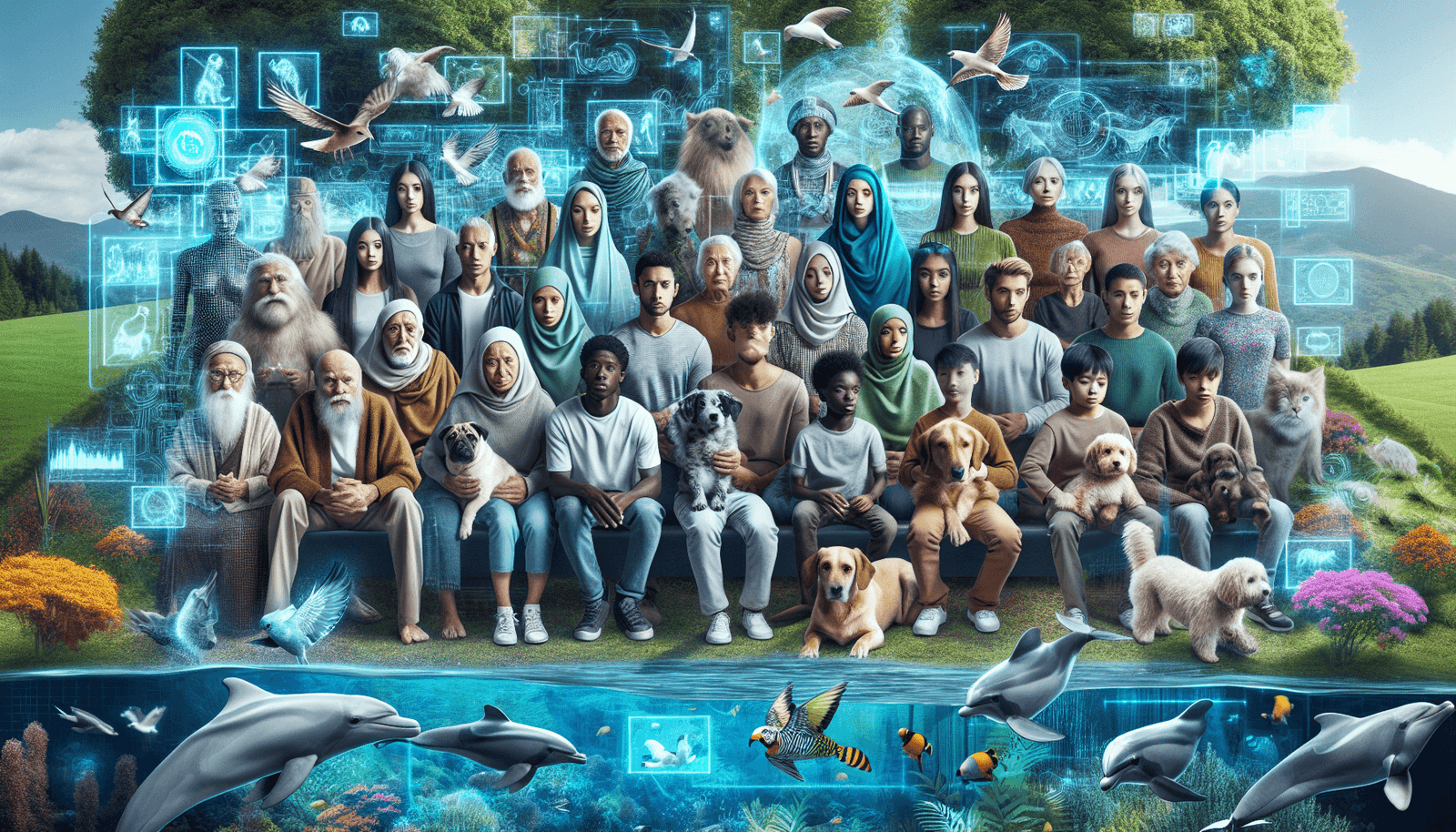
As our understanding of animal intelligence deepens, the prospect of genuine communication with animals through artificial intelligence becomes increasingly tantalizing. New advancements in AI technology have sparked a debate about whether we are truly prepared for this groundbreaking interaction. This exploration not only examines the scientific innovations behind translating animal communication but also raises ethical questions about how we relate to other sentient beings. Are we ready to bridge the gap between species and listen to what animals have to say?
The Pinnacle of AI Engineering: Understanding Animal Language
Imagine the world beyond our usual conversations—one where we can hold meaningful dialogues with dogs, cats, dolphins, and even elephants. This tantalizing possibility feels like something ripped from the pages of a sci-fi novel, yet advancements in artificial intelligence are inching us closer to realizing this dream. With projects emerging globally that focus on deciphering animal languages through AI technologies, the field of biocommunication is gaining momentum. But how does AI fit into this intricate puzzle of sounds, signals, and gestures?
Researchers are harnessing machine learning algorithms and neural networks to analyze the communicative signals emitted by animals—from ultrasonic vocalizations of bats to the intricate vocalizations of whales. AI acts as a powerful lens that can magnate the subtleties of these communications, giving us insights that our human ears often miss. For example, a team of scientists recently used AI to analyze the pitch patterns and rhythmic structures of whale songs, revealing potential meanings behind these mesmerizing sounds. Such studies showcase the potential depth of animal communication and its parallel significance to human interactions.
The Role of Machine Learning in Deciphering Animal Languages
Machine learning is the cornerstone technology behind many of these communication initiatives. Through algorithms that can recognize patterns in large data sets, researchers are discovering vocalizations and behaviors that correspond to specific emotions or intentions in animals. A prime example includes the work of researchers studying dog barks. By using a vast database of different barks, scientists employed machine learning to identify emotional states tied to the type and tone of barking. This essentially forms a canine ‘dictionary,’ translating barks into more human-understandable emotions such as excitement, fear, or aggression.
Furthermore, Neyrotex.com is at the forefront of exploring how AI can unlock more nuanced animal communication. They invite researchers and technologists to consider innovative approaches in developing tools that aid in interpreting animal signals accurately. Utilizing advancements in acoustic monitoring and AI-driven pattern recognition, they showcase the future potential of interspecies dialogue.
Translating Signals: The Journey from Data to Dialogue
Translating animal signals involves more than just converting sounds into words; it also encompasses understanding the social context in which signals are used. For instance, elephants communicate through deep rumbles that can travel miles across the savannah. These calls often signal essential information to herd members, such as finding resources or alerting to danger. Understanding the social structure of species is vital in determining the meaning of communications.
The development of wearable tech for pets, such as collars embedded with sensors, plays a crucial role in this endeavor. These devices capture the context of different sounds and movements, which, when fed into AI systems, can help paint a clearer picture of how animals interact and respond with their environment. Such innovations form the basis of recognizing that communication is not merely vocal but is also visual and behavioral.
Ethical Implications of Communicating with Animals
While the technical accomplishments in animal communication using AI are genuinely awe-inspiring, ethical considerations loom large. What responsibilities do we shoulder once we unlock the ability to communicate with animals? Consider this: if we can comprehend their thoughts and emotions, should we make decisions on their behalf? Questions akin to these are resonating in the scientific community.
- Consent: If animals can communicate, should we seek their explicit consent in scenarios such as captivity or domestication?
- Interference: Would our ability to communicate with animals compel us to intervene in their natural behavior or habitats?
- Rights: Would understanding animal communication lead us to recognize new rights for animal species?
The answers to these ethical dilemmas are not merely academic; they have real-world implications. Decisions made will affect conservation efforts, our livestock farming practices, and ultimately, the very relationships we nurture with wildlife.
Real-Life Applications of Animal Communication Tech
As we edge closer to unlocking animal languages, some real-world applications are emerging. For example, farmers are now experimenting with voice-activated devices designed to respond to livestock needs. This innovation streamlines the farmer’s ability to manage and care for animals more effectively, promoting healthier farming practices.
Moreover, researchers have engineered systems to listen closely to the distress calls of marine life, using AI analysis to determine when animals are in trouble. This data could potentially overlap with conservation efforts, allowing for proactive measures to protect endangered species from harm.
- Pet Behavior Monitoring: Advanced dog collars can analyze barking patterns and alert owners to potential emotional distress.
- Whale Communication Projects: Marine biologists are diving deeper into understanding underwater communications, aiming to protect these creatures using AI tools.
- Wildlife Observation: AI-driven technologies can analyze interactions in complex ecosystems to help scientists learn more about animal dynamics.
The Road Ahead: What Lies Beyond
Exploring AI’s potential for authentic animal communication heralds both thrills and challenges. The trajectory of this research will not only will deepen our understanding of animal societies but will also illuminate the complexity of our own interactions with other species. The more we learn about animals, the more we realize about ourselves—our emotions, our behaviors, and our responsibilities toward other sentient beings.
Ultimately, as we continue this journey, we must remain vigilant about our interpretations and the responsibilities they entail. Are we steering the future of interspecies communication? Each breakthrough in AI technology serves as a reminder of the wonder—and the care—that must accompany our quest for understanding. Sounds easy, huh? Think again! Yet, the benefits of exploring the rich dimensions of animal communication await those bold enough to engage.
As we move forward in this exploration, resources like Neyrotex.com offer an invaluable platform for fostering this dialogue between technology and animal behavior. Collaborating with scientists and innovators ensures that our path remains informed, ethical, and fulfilling.
As we contemplate the depths of interspecies interaction, let us remain open-minded and vigilant along this promising path. Together—with the intersections of AI and our understanding of animals—we might just start to truly listen to what they have to say.