A voice assistant feels calm until a caller interrupts while a backend tool is still changing state. The model may stop speaking at once, yet the reservation, refund, or account update can continue unless your service owns cancellation.
The GPT-Live-1 API arrived on September 10 as OpenAI’s new full-duplex voice model for developers. A useful production design treats that model as a conversation specialist and places business authority behind a smaller, inspectable gateway.
Draw the GPT-Live-1 API boundary before writing tools
OpenAI’s launch note describes one voice model that listens and speaks in a full-duplex session. The model page identifies the API surface, while the launch note covers interruption and delegation to a backend text model.
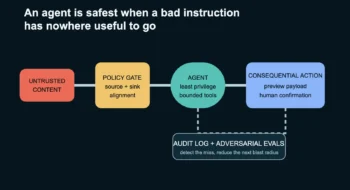
That split provides the first architecture rule. Keep the live session responsible for speech, turn-taking, and the short conversational state needed for the current exchange. Let your application service own the user identity, account scope, tool policy, durable record, and final side effect.
The Live API guide covers the session and transport choices. WebRTC fits browser and app clients that need a direct media path, while SIP suits telephony. Your server should mint short-lived session authority instead of handing a general API credential to the client.
A safe voice turn in six events
- The client opens a short-lived voice session for one signed-in user.
- The live model hears speech and produces the conversational response.
- A proposed action reaches your gateway with user, account, and request identity.
- The gateway validates scope, policy, and any confirmation requirement.
- The backend executes once with an idempotency key and records the result.
- The live session explains that result in speech and exposes the same state in text.
Keep audio and business logs separate. An acoustic trace helps your team diagnose clipping, echo, and turn detection. A tool trace should name the user, sanitized parameters, policy result, idempotency key, external response, and recovery state without retaining raw audio by default.
Design interruption as a state transition
Full-duplex speech creates two forms of cancellation. The system can stop audible output when a person begins speaking, and the application can stop pending work. Those events need separate states because muting a sentence does not reverse a payment or close a database transaction.
Define a point of no return for each tool. Before that point, an interruption can cancel the operation. After it, the voice response must report the result or recovery route instead of pretending that the user’s new sentence erased the earlier action.
Use compact confirmations for consequential requests. The live model can summarize the target and amount, then the backend can require an explicit confirmation bound to the same request. A fresh interruption invalidates that confirmation token and forces a new check.
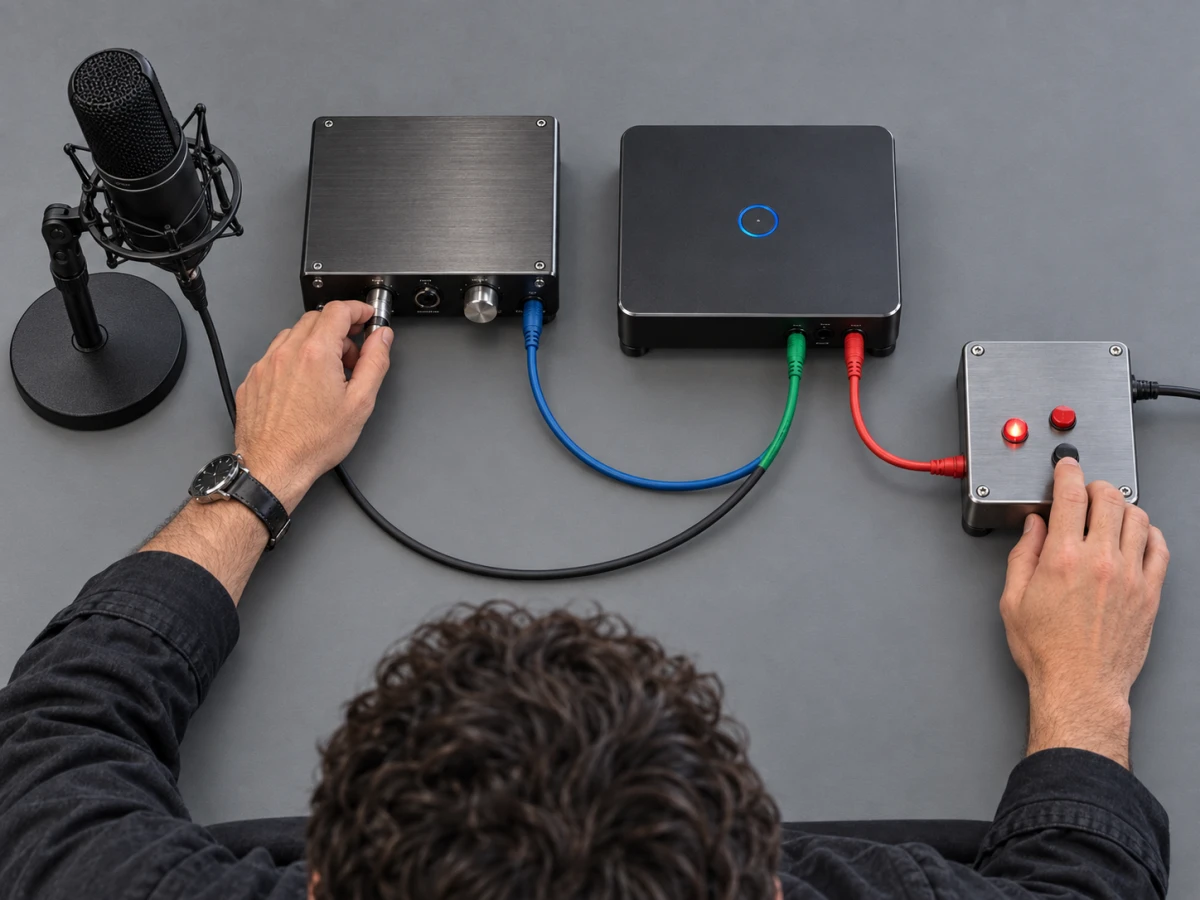
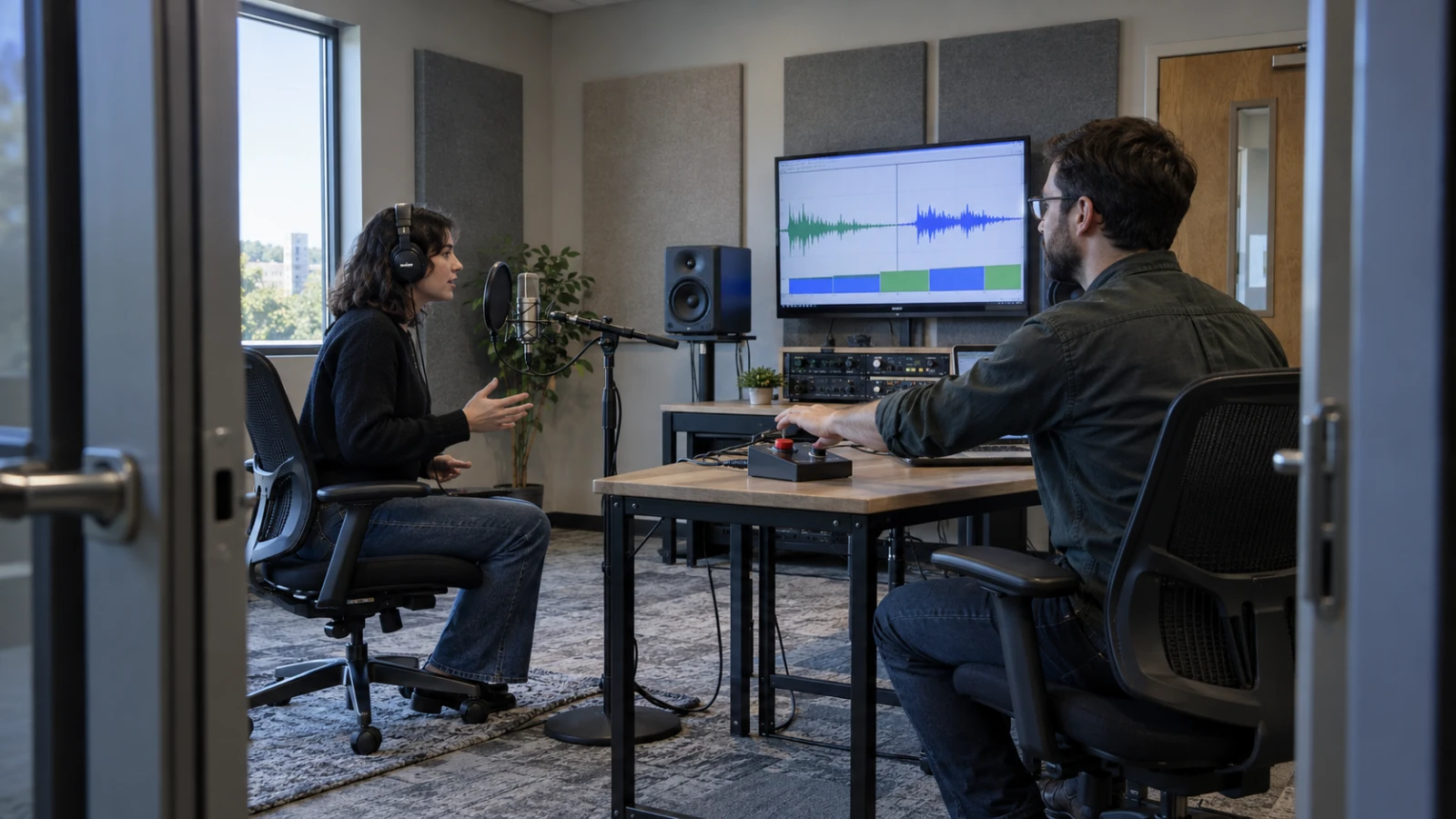
Test barge-in with a real speaker and microphone path. Start a response, interrupt at the first word, interrupt after the model names a proposed action, and interrupt after the backend commits. Compare audible output with the tool ledger at each point.
Network failure deserves the same treatment. Drop the client connection during speech, during delegation, and after a side effect. The returning session should discover durable state from your backend rather than reconstructing it from a partial transcript.
Keep transcripts useful and bounded
OpenAI says developers can receive input transcription and response text. Store only the portion your product needs, label machine transcription, and give the user a correction path when names, addresses, or numbers drive an action.
Do not treat a transcript as proof that a person heard or approved a sentence. Keep the confirmation event, tool result, and presented response as distinct records. That separation helps a support agent answer whether the system misunderstood speech, violated policy, or explained a correct action poorly.
Retention should follow the job. A transient concierge session may need minutes of diagnostic data, while a regulated support flow may require a longer record and explicit notice. Publish the rule and make deletion reach audio, transcript, and tool evidence where law and policy permit.
Measure latency and cost per completed job
OpenAI prices the front-end voice layer at $0.05 per minute in the launch announcement. Your total includes delegated model work, tools, telephony, storage, and retries, so a minute price cannot stand in for a completed-task cost.
Measure time to first audible response, interruption stop time, tool round-trip time, recovery time, completion rate, and cost per resolved job. Report percentiles by transport and device because a clean office Wi-Fi median hides the caller on a weak mobile link.
OpenAI reports a 30-point gain over GPT-Realtime-2.1 in its own evaluation. Treat that as provider evidence, then run a set drawn from your accents, background noise, vocabulary, interruptions, and tool failures before choosing a production threshold.
Build one narrow pilot
Choose a job with a clear end state, such as finding an order status or scheduling an available slot. Give the pilot read access first, then add one reversible write after identity propagation, confirmation, cancellation, and recovery pass the same test harness.
Recruit users who represent the acoustic and language range of the product. Ask them to correct the assistant, change intent, speak over it, pause, and return after a dropped connection. Review the tool ledger beside the audio outcome rather than scoring naturalness alone.
The Neyrotex Agents API checklist covers long-running execution controls. Our on-device speech guide offers a local recognition path. Follow the AI Tech hub for later model and API changes.