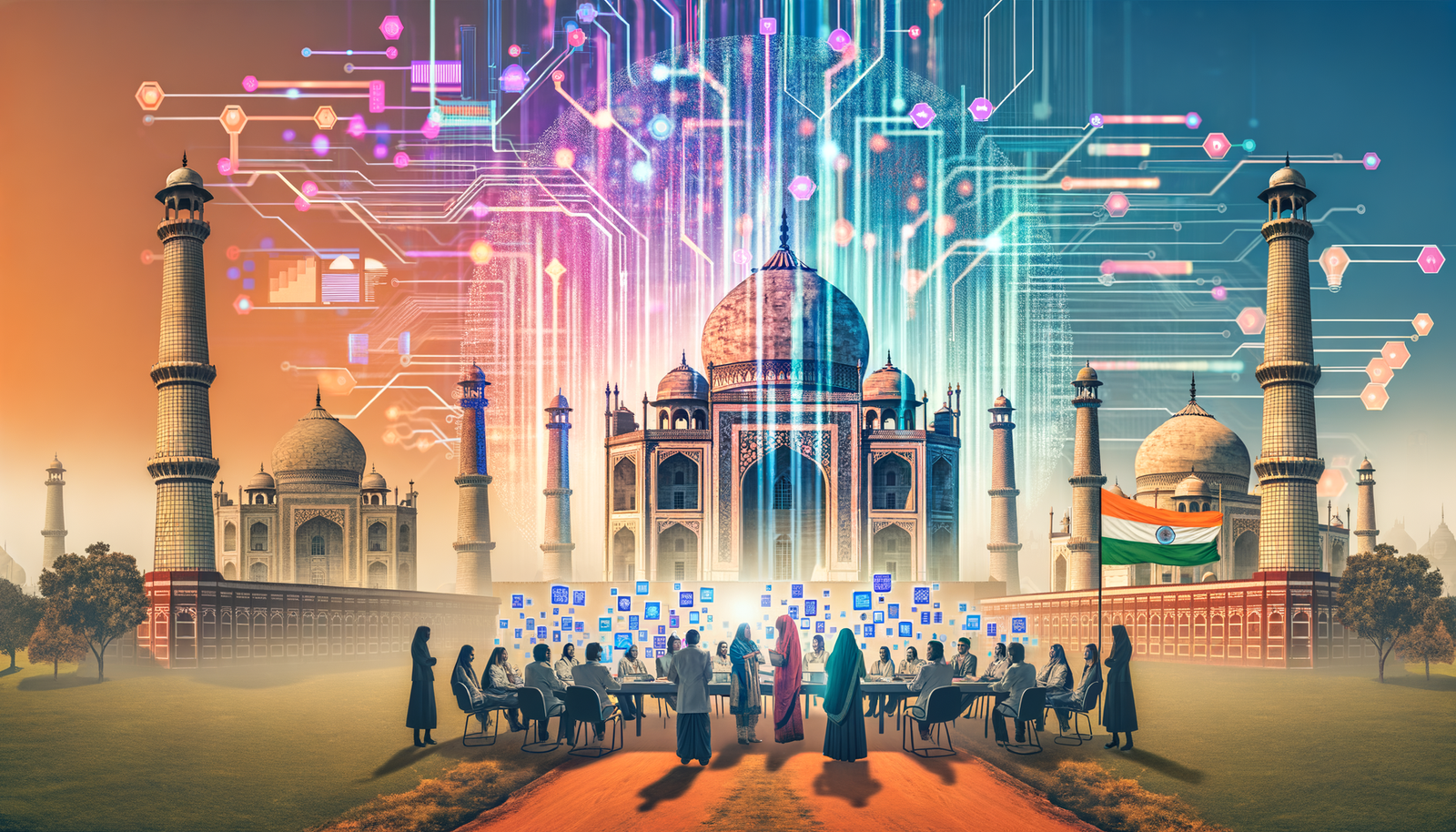
India’s burgeoning artificial intelligence landscape stands at a crossroads, where significant growth relies on foreign chips and the influence of private cloud firms. As we delve into the intricate web of technology shaping our future, the question arises: “Unmasking AI Power: Who Really Controls India’s Artificial Intelligence?” Despite increasing capacity, India’s reliance on global tech giants and sluggish progress in semiconductor production raises critical concerns over control, resilience, and the quest for genuine technological sovereignty. Understanding these dynamics is essential as India navigates its path in the AI revolution.
Recognizing the Pillars of AI Control
As we venture further into this fascinating world, one cannot help but wonder who is steering India’s burgeoning artificial intelligence ship. While India boasts exceptional talent and vast data resources, the hardware and cloud infrastructures needed to unleash these capabilities are predominantly held by a few global corporations. Companies such as Google, Amazon, and Microsoft play a vital role in this ecosystem—acting as both facilitators and gatekeepers of India’s AI advancements.
The Role of Foreign Players
The presence of foreign tech giants is one of the most potent forces in India’s AI landscape. Their control shapes not just technological development but also policies and innovations that could define the industry. Let’s break down how these international players influence the Indian market:
- Infrastructure Dominance: Major cloud providers dominate the infrastructure layer of AI development in India. Their servers and platforms provide the computational power required for AI systems, yet control the environment and pricing structures that startups and businesses rely on.
- Data Dependency: AI thrives on data, and much of India’s significant datasets are hosted on foreign cloud platforms. This reliance raises questions about data privacy and sovereignty. National legislation on data governance often lags behind technological trends, allowing foreign entities to dictate terms.
- R&D Investment: Foreign companies inject crucial funds into Indian AI startups, stimulating growth and innovation. However, these investments come with strings attached, often leading to questions about who ultimately benefits from this intellectual property.
The Semiconductor Challenge
At the core of AI hardware lies the semiconductor industry. India’s ongoing struggle to establish a self-sufficient semiconductor ecosystem continues to hinder its pursuit of technological independence. Despite grand promises and multi-billion dollar investments, the pace of progress has been sluggish. This dependency on imports can potentially stymie AI advancements, as the availability of hardware directly correlates with the development of algorithms and applications.
To paint a clearer picture, let’s consider the following:
- Much of India’s semiconductor needs are met through imports from countries like Taiwan and the U.S., leading to vulnerability in the supply chain.
- The lack of local manufacturing facilities translates into reliance on foreign entities for both production and pricing of chips, impacting AI development costs.
- Government initiatives to promote domestic semiconductor manufacturing need to overcome bureaucratic hurdles and attract foreign investments, which remains a complex and lengthy process.
Government Initiatives and Policies
In recent years, the Indian government has recognized the imperative for a homegrown AI ecosystem. Initiatives like the National AI Strategy aim to propel the country into the forefront of AI technology. However, the success of these strategies hinges on effective collaboration with private players and a nuanced understanding of the global landscape.
- Guidelines on AI Ethics: The government has been proactive in drafting ethical AI guidelines to ensure responsible use of technology. This signifies India’s commitment to building confidence in AI usage among its citizens.
- Investment in Skill Development: The National Program on Artificial Intelligence emphasizes the importance of human capital by investing in education, focusing on local talent to provide a sustainable workforce for AI development.
- Public-Private Partnerships: Understanding that collaboration is key, the government has been promoting partnerships between public institutions and private firms to build robust AI infrastructure.
Local Players and Startups
While foreign companies hold significant sway over India’s AI landscape, local players and startups have begun to carve their niches. The rise of homegrown companies signals an essential shift in the narrative of AI in India. They provide innovative solutions tailored to local needs and challenges, which increases the country’s self-reliance.
Nevertheless, these startups face several hurdles:
- Access to capital often leans heavily towards ventures that provide immediate, scalable solutions, sidelining many who focus on AI research.
- Networking opportunities with global tech firms are critical, but power dynamics can limit the potential for collaboration and co-innovation.
- Legal and regulatory uncertainty can stifle innovation and create barriers to entry for newcomers in the technology space.
AI’s Societal Implications
The rapid growth of AI doesn’t come without challenges. Societal implications must be at the forefront of discussions as India integrates AI into sectors like healthcare, agriculture, and security. Ethical considerations become paramount as we think about how AI technologies impact daily lives.
- Job Displacement: As AI automates tasks, the potential for job displacement becomes an alarming reality. The workforce must be prepared for a significant shift, transitioning from traditional roles to tech-driven positions.
- Bias in AI: Given that AI systems learn from historical data, there’s a risk of perpetuating existing biases. This makes ethical considerations critical to ensure technology serves all demographics fairly.
- Privacy Concerns: In a data-laden society, privacy must be prioritized. The challenge lies in balancing innovation with the constitutional right to privacy and data protection.
The Road Ahead: Finding a Balance
As we unmask the power behind India’s AI, it becomes evident that control is a complex interplay of local talents and foreign influences. The challenge lies in crafting a holistic approach that encourages homegrown innovation while addressing the inherent dependencies on global players.
Here are some strategies that could spark meaningful change:
- Developing Domestic Supply Chains: Fostering partnerships within India can provide the means to reduce reliance on foreign semiconductor and hardware imports.
- Fostering International Collaboration: While building local capabilities is vital, competing on a global scale necessitates collaborative efforts with established international tech entities.
- Investing in Research and Development: Directing funds into research can fuel innovation, leading to indigenous afterthoughts that can translate into scalable solutions.
In conclusion, India stands at a crossroads where opportunities are ripe for the taking, but caution is advised. Understanding the forces exerting control over India’s AI landscape will help the nation navigate through its complex relationships with both global giants and its own burgeoning entities. As India aims for AI supremacy, it must cultivate a balanced ecosystem that promotes homegrown innovation while being pragmatic about the unavoidable reliance on foreign support.
For further insights into AI advancements and developments, consider exploring more at Neyrotex.com.