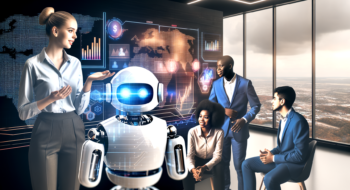
Unlocking the Future: How AI Transforms IP Practice Today
Today, we delve into the profound impact of artificial intelligence on intellectual property workflows. As AI technologies advance, they are reshaping the landscape for legal and patent practitioners worldwide. This transformation not only enhances efficiency but also fosters greater trust and governance within the industry. The integration of AI tools empowers professionals to navigate complex challenges with increased confidence, ensuring a more robust approach to managing intellectual property rights across global markets. Join us as we explore the future of IP practices in this evolving digital era.
Frame Your Future: Adapting to Change
The intellectual property (IP) realm stands at a fascinating intersection where tradition meets innovation. Historically, IP attorneys have struggled with hefty workloads, lengthy processes, and mountains of paperwork. The emergence of AI is the incandescent flash that illuminates this old-world practice, enabling attorneys to streamline tedious tasks and, dare I say, open a treasure trove of opportunities. AI isn’t just an ancillary tool; it’s rapidly becoming central to the DNA of legal practices everywhere.
AI: Your New Best Friend in IP
Imagine having a diligent assistant that can comb through vast databases in a blink, analyze patterns, and provide insights. Sounds like a dream? Enter artificial intelligence! AI systems are adept at reviewing prior art searches, identifying potential infringements, and even assisting in drafting patents. This not only saves time but shrinks costs, allowing IP professionals to focus on strategic planning rather than getting bogged down in minutiae.
- Enhanced Searches: AI algorithms can sift through patent data faster than any human could, ensuring no stone is left unturned in the quest for originality.
- Automated Documentation: Drafting applications and contracts becomes less of a chore as AI can generate drafts based on predefined criteria.
- Predictive Analytics: Gauging the likelihood of patent approval or litigation outcomes is made easier through extensive data analysis.
The Upside of Automation: A Double-Edged Sword?
While AI ushers in bountiful advantages, it also raises an intriguing paradox. The more we rely on AI, the greater the need for ethical considerations and governance. Protecting IP rights involves balancing innovation while preserving the authenticity of creativity and invention. As attorneys dive deeper into utilizing AI for their practices, they must be vigilant stewards of legal ethics and maintain a discerning eye on reliability and bias in AI algorithms.
Caution: Navigating the Ethical Labyrinth
Attorneys are hungering for AI tools, but with great power comes great responsibility. It’s essential for practitioners to ensure that AI-generated outputs align with ethical standards. Transparency of AI decision-making processes is critical—after all, how can you defend a position if you cannot trace the rationale? This means working with technology that doesn’t just provide answers but also makes its reasoning clear.
Bridging Knowledge Gaps: Skill Sets of Tomorrow’s Attorneys
The rise of AI compels current and aspiring attorneys to evolve their skill sets. Gone are the days when legal education focused solely on statutory knowledge; we now need a blend of technology and law. Law schools are beginning to integrate tech literacy into their curriculums, focusing on subjects such as computational law and AI ethics. As professionals arm themselves for a future of AI in IP, here are a few competency areas to consider:
- Understanding AI Tools: Proficiency with the latest AI innovations and how they can be seamlessly integrated into legal workflows.
- Data Analysis: The capacity to interpret data trends and leverage insights yielded by AI systems to inform strategic decisions.
- Interpersonal Skills: High emotional intelligence remains crucial, particularly when utilizing AI to streamline client interactions.
The Digital Playground: Global IP Rights Management
The global nature of IP rights demands a robust digital presence. AI technology enables IP attorneys to maneuver through international waters with ease, helping them ensure compliance with varying jurisdictions and sectoral laws. From trademark filings to global patent registrations, AI tools can automatically adapt existing data to cater to these multifaceted legal landscapes.
Dare to dream! As AI extends its reach within IP practices, firms that embrace this technology position themselves not as mere spectators but as trailblazers in a rapidly evolving ecosystem. This is not an isolated phenomenon; we’re witnessing a radical redefinition of how IP is valued and protected worldwide.
Unlocking Creativity: The Influence of AI
Another captivating narrative lies in how AI influences creativity. You may wonder—can machines truly foster innovation? The answer isn’t straightforward; however, AI can undoubtedly serve as a catalyst. Tools that utilize generative design techniques can initiate ideas across various domains from music and graphic design to patents. By offering different perspectives, AI can challenge creatives to think outside the box, lending itself as an indispensable ally in the creative process.
The Dance of Innovation
Picture an innovator in a lab, assisted by a robust AI companion that recognizes patterns, trends, and insights, propelling that creative spark into a groundbreaking discovery! This is where the human brain teamed with AI brilliance can renovate industries by pushing the boundaries of what we perceive as possible.
Addressing Concerns: The Road Ahead
As we navigate through the pulsating heart of AI and IP integration, it’s vital to address the potential concern that machines might replace human capital. The perspective that AI will take over jobs causes unease among many practicing attorneys. However, the consensus within the industry leans towards coexistence rather than outright replacement. AI can enhance human abilities, delegating repetitive, mundane tasks and allowing educated professionals to channel their energies into creative problem-solving and unique client interactions.
Moreover, as AI augments productivity, firms can manage workloads and ultimately contribute to a healthier work-life balance for IP attorneys, prevailing in an often high-pressure environment.
The Human Touch: Building Relationships in the Age of AI
IP law is ultimately rooted in understanding and representing clients and their interests. While AI plays a key role in analysis and processes, it’s the human element that remains irreplaceable. Navigating sensitive negotiations, fostering relationships, interpreting emotions—these are uniquely human capabilities. The role of legal advice can never be entirely supplanted by AI; it requires an empathetic understanding that transcends algorithmic capabilities.
Embracing the Change: Line in the Sand
So where does this leave us? The intellectual property landscape is indeed evolving, and it is up to attorneys to embrace AI as an essential ally rather than viewing it merely as a threat. By adopting a proactive approach, attorneys can expand their practice, improve efficiency, and drive innovative solutions for clients.
As we watch this compelling relationship between AI and IP evolve, one thing is certain: we are standing on the brink of an exciting frontier. The road ahead may not be entirely paved, but with perseverance, adaptability, and a willingness to learn, the legal community can open endless possibilities while ensuring the protection of the rights essential for creativity and innovation.
Are you ready to elevate your practice? The future is pulsating with energy as AI continues to transform intellectual property. Grab hold of the reins, step into this era of limitless potential, and see where it will take you!
For more insights into the world of IP and technology, venture over to Neyrotex.com.