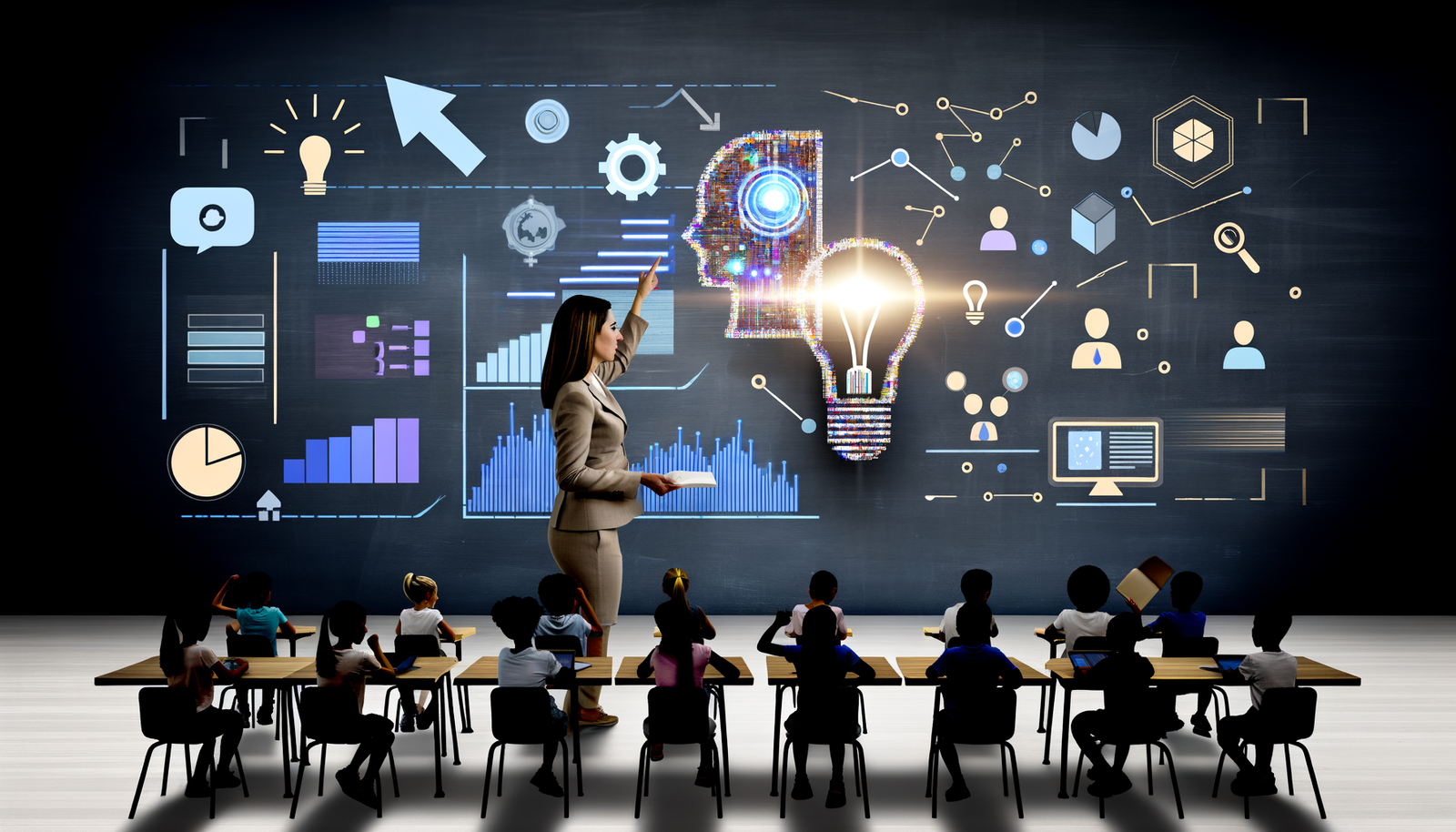
In today’s rapidly evolving educational landscape, the integration of artificial intelligence is revolutionizing the way we learn and teach. HTF MI has just released the Global Artificial Intelligence Education Technology Market Study, a comprehensive analysis that delves into this dynamic field, highlighting the transformative potential of AI in education. As we explore the findings, we’re unlocking the future: AI Education Tech’s thriving potential. With over 143+ segments analyzed, this study provides valuable insights into the trends and innovations shaping the market, paving the way for a smarter and more personalized learning experience for students worldwide.
AI Education Technology: An Overview
As we align ourselves with the accelerator pedal of technological advancement, it’s exhilarating to witness how artificial intelligence is not just entering education—it’s taking a full-on joyride! The AI education technology market is experiencing explosive growth, predicted to reach unprecedented heights by 2030. The confluence of machine learning, natural language processing, and adaptive learning systems is fundamentally reshaping the paradigms of educational methodologies.
According to the recently released findings from HTF MI, the AI education tech market is expected to record a compound annual growth rate (CAGR) of over 40% during the forecast period. Exciting, isn’t it? This growth is driven by a myriad of factors, including the increased adoption of smart learning solutions by educational institutions worldwide and the need for personalized learning experiences that enhance student engagement.
Key Drivers of Growth
The momentum gained in this sector is backed by several pivotal elements:
- Personalized Learning Experiences: AI creates tailored curricula that cater to the unique learning pace and style of each student. Imagine an educational journey that fits like a glove—this is what AI is enabling.
- Efficient Administrative Processes: Beyond the classroom, administrative tasks such as grading and resource allocation are becoming streamlined. AI algorithms can sift through data at lightning speed, ensuring institutions operate like well-oiled machines.
- Enhanced Accessibility: AI-driven tools are breaking barriers, making education accessible to diverse learners, including those with disabilities, thus fostering an inclusive learning environment.
- Integration of Advanced Technologies: AI thrives on data, and with the Internet of Things (IoT), big data analytics, and virtual reality (VR) entering the fray, the educational experience is becoming increasingly interactive and engaging.
Market Trends to Watch
If you’re wondering what trends are weaving their way through the fabric of AI education technology, you’re in for a treat. Here are some trends that are sure to shape the future:
- Gamification and AI: The fusion of gaming mechanics and AI technology is enhancing engagement levels among students. Leveraging competition and rewards turns learning into an exhilarating adventure.
- Adaptive Learning Systems: AI is adept at customizing content delivery based on real-time analytics. As students interact with learning modules, their journeys are modified in real-time, creating a truly personalized experience.
- Artificial Intelligence Tutors: AI is no longer a secondary figure in education; it’s emerging as a virtual tutor, guiding students through subjects they find challenging with around-the-clock support.
- Predictive Analytics: Institutions are harnessing AI’s analytical prowess. By predicting student performance and drop-out rates, schools can proactively implement interventions tailored to forestall challenges.
Challenges and Solutions
While there’s a silver lining, let’s shine a light on the potential roadblocks lying ahead. The pathway to AI integration in education isn’t all sunshine and rainbows. Some of the challenges include:
- Data Privacy and Security: As the collection of data increases, so do concerns regarding its security. Stakeholders need to prioritize the development of robust systems safeguarding student information.
- Skill Gaps: Not every educator is equipped to embrace AI tools effectively. Professional development and training in the use of AI technology are paramount for maximizing its potential.
- Equity Issues: There exists a tangible risk of deepening the digital divide. Access to technology remains a concern, especially in underfunded areas; the equitable distribution of resources is essential.
Innovative Use Cases
Embracing creativity, educational institutions are channeling AI in groundbreaking ways. Here are some innovative use cases that demonstrate the powerful application of AI in education:
- Intelligent Tutoring Systems: Programs like Carnegie Learning use AI algorithms to personalize student learning plans, focusing on their strengths and weaknesses for targeted development.
- Predictive Analytics for Increased Retention: Schools are implementing AI systems that analyze patterns in student behavior to anticipate dropouts, allowing timely interventions to help guide students toward success.
- Language Learning Platforms: Apps like Duolingo employ AI to adapt lessons based on users’ progress, making language acquisition both efficient and engaging.
- Virtual Classrooms: The COVID-19 pandemic thrust remote learning into the spotlight, highlighting the need for AI-empowered virtual classrooms that foster interactive experiences and collaborative learning.
The Road Ahead
As we dive deeper into the AI education technology landscape, it’s clear that the opportunities are boundless. Educational institutions, governmental bodies, and tech companies must collaborate to optimize this landscape for learners everywhere. A shared vision for the integration of AI will lead to smarter systems, more personalized learning experiences, and better educational outcomes. Imagine a world where students are effectively matched with learning styles, educators wield AI to enhance their teaching methodologies, and administrators easily track progress—all of this is on the horizon.
What can learners look forward to? With AI education tech, the traditional classroom can transform into an advanced learning hub. Students can explore knowledge at their own pace, engage with stunning interactive content, and collaborate seamlessly with peers across the globe, bringing a richness to learning that was previously unattainable.
Conclusion
In this electrifying era, it’s essential to remain vigilant and adaptive. As we witness AI tear down traditional barriers, we must embrace its potential to reshape education positively. The Global Artificial Intelligence Education Technology Market Study is just the beginning, setting the stage for innovations that will dictate the future of learning. It’s a time for educators, technologists, and learners to unite in crafting a future reflective of our shared humanity while leveraging the profound advantages of technology.
If you want to explore more exciting insights and developments in the field of AI education technology, visit Neyrotex.com to stay ahead of the curve.