In an era where technology continually reshapes education, Parkland School District stands at the forefront, harnessing the potential of artificial intelligence to enhance learning experiences. By integrating innovative tools like AI chatbots, Parkland aims to unlock student potential in ways previously unimaginable. Unlocking Student Potential: AI Chatbots Revolutionize Writing! These intelligent assistants provide personalized support, helping students refine their writing skills and engage more deeply with their studies. As Parkland embraces this technological evolution, it sets a compelling example of how AI can positively impact educational outcomes and prepare students for the future.
The Rise of AI in the Classroom
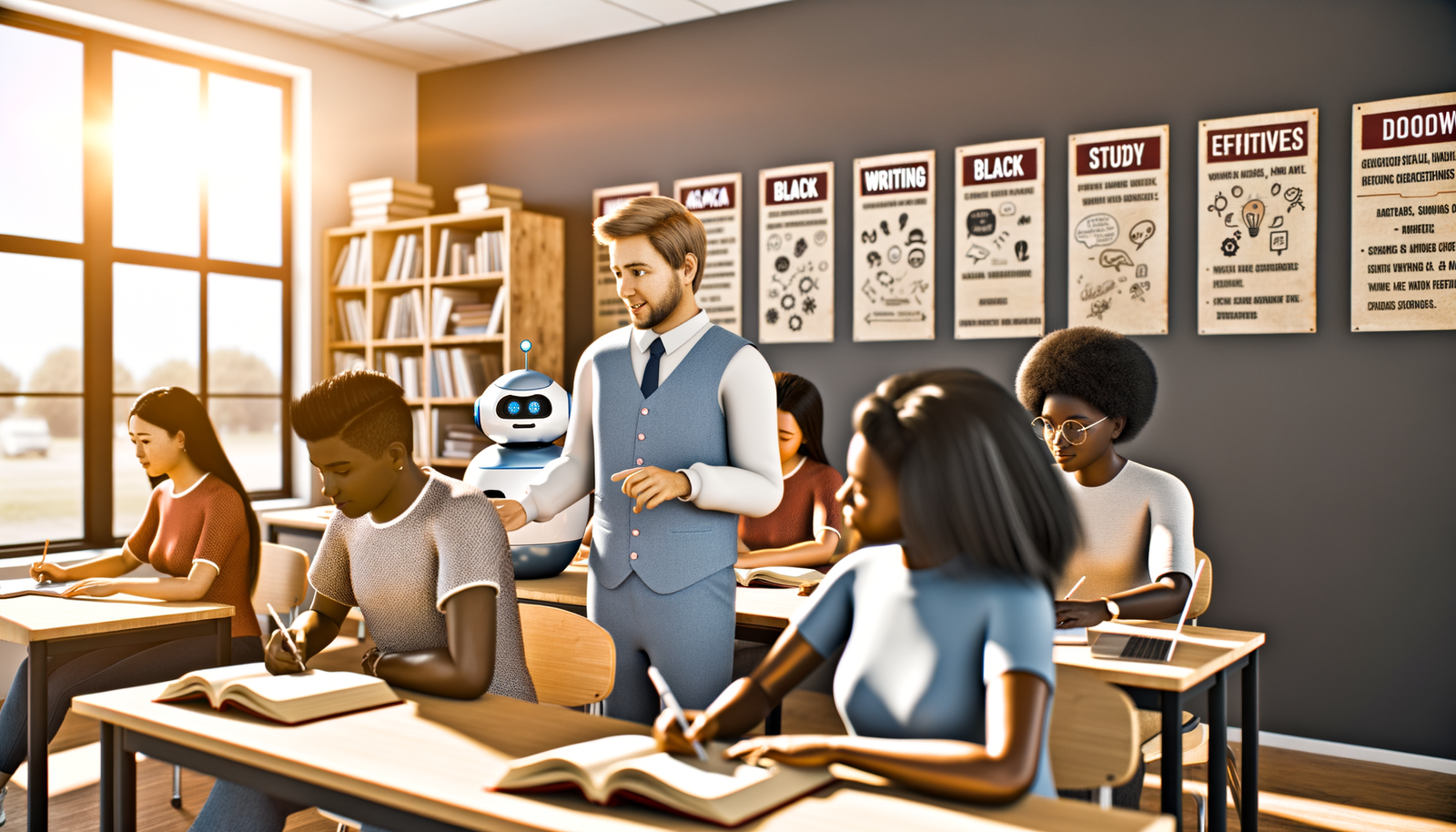
Artificial Intelligence (AI) is becoming a transformative force in classrooms across the United States, morphing traditional teaching methods into dynamic learning experiences. In Parkland, teachers are exploring the potential of AI chatbots, aiming to provide real-time feedback and personalized assistance to students. This is not just a passing trend; it’s a significant shift in how educational content is delivered, one that could redefine the student writing experience.
Imagine students having a chatbot at their fingertips—an AI ally that can offer writing tips, help brainstorm ideas, or provide grammar clarification in moments of confusion. That dream is becoming a reality, with local educators recognizing that integrating tools like chatbots could enhance student engagement and improve writing abilities.
The Art of Writing with AI Assistance
Writing is often seen as an intimidating task for students, especially when faced with essays, research papers, and creative assignments. However, AI chatbots are changing that landscape, lowering the hurdles and enhancing confidence. These digital companions can read what students write, analyze it, and offer constructive feedback that is immediate and personalized.
- Real-time Feedback: AI can assess sentence structure, word choice, and even the effectiveness of arguments in real-time, allowing students to make instant revisions.
- Idea Generation: Stuck in a writing rut? Chatbots can suggest themes, topics, or angles to explore, opening the doorway to inspiration.
- Writing Automation: Simple errors can hinder flow. AI can correct these technical mistakes and facilitate smoother expression.
This level of support not only fosters better writing skills—it promotes an environment where students feel free to experiment with their voices and styles without the fear of judgment.
Enhancing Study Techniques
Parkland educators are also recognizing AI’s ability to assist students in their study techniques. With an ever-increasing curriculum, managing multiple assignments can feel overwhelming. Chatbots offer strategic support tailored to individual learning styles, making studying more personalized and effective. Consider these benefits:
- Customized Learning: Instead of a one-size-fits-all approach, chatbots can assess student performance and provide recommendations based on their unique strengths and weaknesses.
- Scheduling Assistance: Students can input their deadlines and receive a study schedule tailored to their timelines, ensuring they never lose track.
- Resource Recommendations: Need relevant articles, videos, or books for research? AI can recommend materials suited to the specific topics at hand.
This tailored approach helps students manage their time effectively while mastering learning materials at their own pace.
Real-World Application and Success Stories
The innovative use of chatbots in the Parkland School District is already yielding promising results. Teachers report a marked improvement in student writing skills and overall engagement. Many students are approaching their assignments with newfound enthusiasm.
One 10th-grade English teacher shared a success story about a particular student who faced considerable writing anxiety. After implementing chatbot assistance, this student transformed from a hesitant writer into one excited about exploring creative expression. His essays have improved, not just in structure but also in depth and creativity.
Teachers are excitedly noting that AI chatbots not only support writing but also help cultivate critical thinking skills. Students are encouraged to ask deeper questions during the writing process, promoting a more thorough exploration of their subjects.
Future Implications: Preparing for Tomorrow
The introduction of AI chatbots in Parkland schools is just the beginning. As technology continues to evolve, the role it plays in education will likely expand even further. The potential for chatbots to assist students with writing, studying, and comprehension skills suggests a future where education is increasingly personalized, efficient, and responsive. But will this integration replace traditional teaching methodologies?
It’s important to note that while AI is a powerful aid, it cannot fully replace the human touch that teachers provide. The connection and mentorship that educators offer are irreplaceable, serving as a crucial component in nurturing students’ academic journeys. Therefore, the ideal classroom may not be a battle ground for technology versus tradition but rather a symbiotic relationship where each enhances the other.
A Long-Term Vision for Learning
So, how do we build on this foundational shift? Parkland educators are taking this opportunity to expand professional development resources focused on integrating AI in teaching. By equipping teachers with the necessary tools and training, they ensure that they can harness AI’s capabilities while keeping their instructional methods engaging and effective.
This proactive approach paves the way for long-term academic success, as teachers learn to seamlessly incorporate AI chatbots into their curricula, examining and adjusting strategies for maximum benefit.
Community Engagement and Feedback
As with any educational initiative, community feedback is vital. Parkland Schools are actively seeking input from students, parents, and community members regarding their experiences with AI tools. This feedback loop helps educators refine their approaches and make adjustments based on real-world results.
- Community Workshops: Engaging families and community members with workshops about the role of AI in education strengthens collaboration and understanding.
- Student Voices: Regular check-ins with students regarding the effectiveness of AI tools provide ongoing insights for improvement.
This collaborative effort will help shape a program that aligns with what families and students truly need for success.
Conclusion: Embracing Possibilities
The Parkland School District is embarking on an exciting journey into the world of AI in the classroom. By embracing tools like AI chatbots, they are unlocking student potential and preparing the workforce of the future. As these students harness the power of technology alongside ongoing support from their teachers, they can confidently navigate the written word and their academic journeys. This progressive blend of innovation and traditional teaching will foster skills that are essential in our ever-changing world, enabling students to succeed—and who knows where they’ll take us next!
In a future where students can articulate their thoughts and ideas with clarity and confidence, we can expect to see a generation of writers and thinkers thrive. Let’s continue to champion educational practices that nurture and inspire. For more insights into the evolving role of AI in education, be sure to check out Neyrotex.com.