Unlocking New Frontiers: How Hallucinatory A.I. Fuels Science
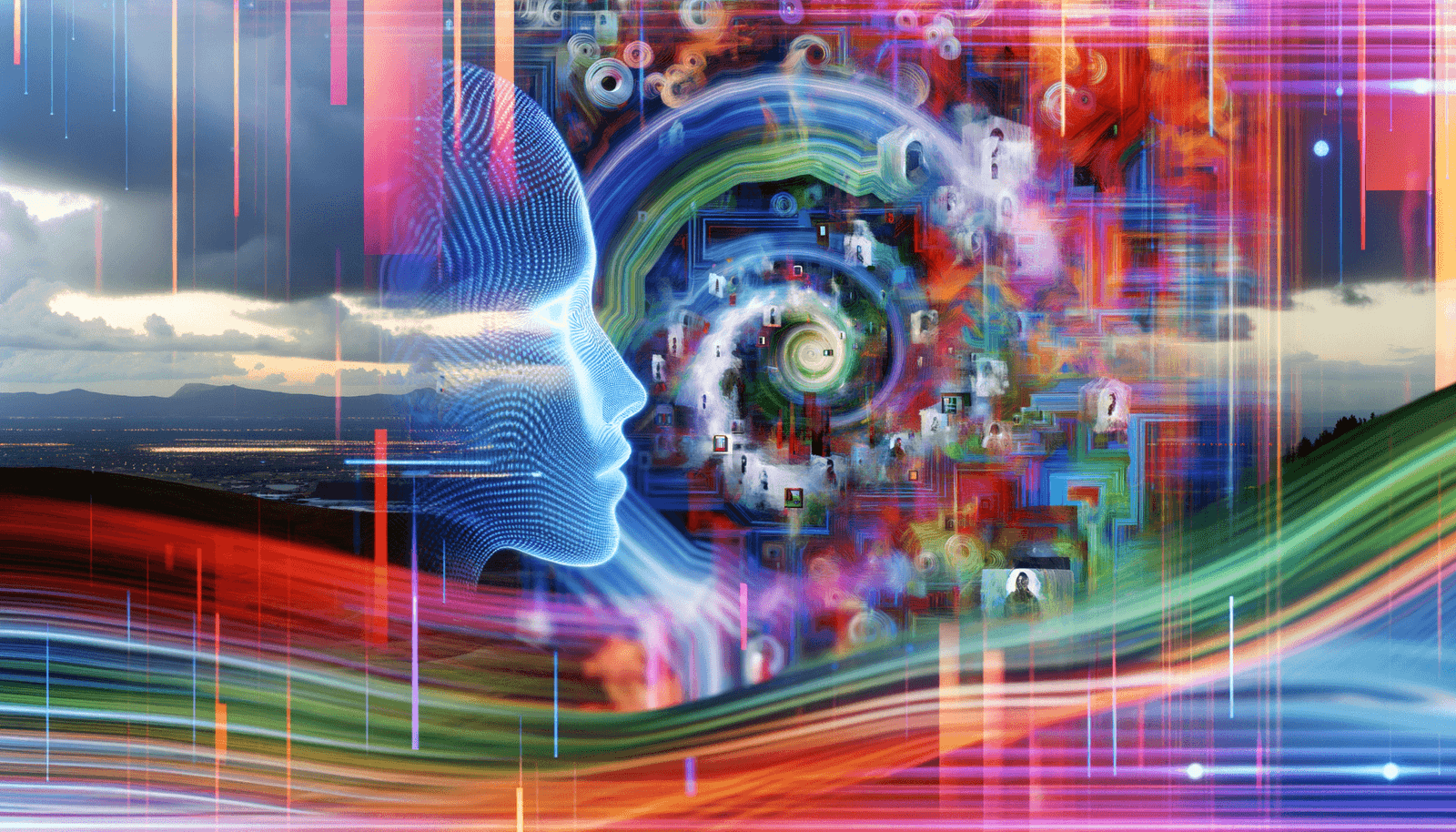
Hallucinations in artificial intelligence, often seen as a detrimental flaw, may hold unexpected potential for scientific discovery. Unlocking New Frontiers: How Hallucinatory A.I. Fuels Science, researchers are beginning to recognize that these unintentional fabrications can offer a new lens through which to explore uncharted territories in fields like medicine, materials science, and cognitive research. By investigating the mechanisms behind A.I. hallucinations, scientists are not only enhancing our understanding of machine learning but are also leveraging these peculiarities to accelerate innovation and creativity in ways we never thought possible.
The Dual Nature of AI Hallucinations
When we talk about AI hallucinations, it is hard to ignore the paradox they present. On one end, a hallucination refers to a model’s incorrect generation of information, leading to what experts call “false positives.” For instance, an image recognition AI might identify a cat in an image of a dog due to ambiguous features. While this highlights AI’s limitations, it also opens doors for a detailed examination of how these systems learn from and interact with data. Thus, the dual nature cautions us both about the risks of reliance on AI and the opportunities that lay in studying its failings.
Scientific Exploration Powered by Imperfection
So how can we turn a supposed flaw into a feature? Researchers across various disciplines are already exploring avenues where AI’s propensity for hallucination might actually lead to beneficial outcomes. Here are some exciting examples:
- Medicine: In drug discovery, neural networks often synthesize information from disparate chemical databases and suggest new compounds. Sometimes, these compounds may not exist, but they can lead researchers to explore novel pathways and core structures, revealing possible new medications.
- Materials Science: AI systems hallucinating specific material properties could inspire engineers to create composites or materials with unprecedented characteristics that had not been considered otherwise.
- Cognitive Research: Hallucinations can help neuroscientists understand cognitive deviations observed in humans, like those in schizophrenia or sensory integration disorders. By mimicking these human experiences in AI systems, researchers can explore solutions and therapies more deeply.
Case Studies: Innovation Through Model Anomalies
There are numerous instances where the unpredictable nature of A.I. has led to breakthrough innovations. Take, for instance, the case of an A.I. that was tasked with recommending scientific papers based on a dataset of known research. On occasion, the model would produce entirely novel references that did not exist in the training data. Initially, researchers met these with skepticism; however, some of these papers diverted scientific discussions, encouraging scholars to consider new angles of research.
A New Paradigm in Research Methodology
The exploration of AI hallucinations prompts a radical shift in how researchers conceptualize their studies. More than just creating models to spit out facts, the practice of embracing unpredictability could redefine the research landscape. This could evolve into a methodology where scientists actively encourage their machines to speculate and hypothesize, creating a collaborative environment where AI and human intuition fuse to produce groundbreaking research.
Risks and Ethical Considerations
However, with great potential comes great responsibility. Relying on algorithmic hallucinations could lead to ethical dilemmas, especially when the stakes involve human health or safety. The challenge lies in distinguishing between beneficial creative suggestions and misleading fallacies. Furthermore, as researchers tap into this new frontier, questions of data bias, accountability, and transparency remain ever-present.
- Data Bias: AI can only learn from the data it processes. If that data is inherently biased, the hallucinations generated might perpetuate those flaws. Thus, sound methodologies must be in place to identify and mitigate bias in datasets.
- Accountability: When an AI system makes an incorrect recommendation, who is responsible? Defining accountability in this landscape is crucial, as we tread deeper into automation’s territory.
- Transparency: The black box nature of AI models can obscure their decision-making processes. Researchers should strive for transparency that demystifies how these hallucinations come about and what underpins them.
Embracing the Future
As we unlock new frontiers, the art of embracing AI’s dazzling unpredictability is bound to shape how we approach problems in science and technology. Key leaders in various fields are beginning to understand the potential locked away in the atypical outputs produced by these systems. In essence, the journey through its complexities offers transformative promise that speaks not just to an evolution in AI but to the very nature of human creativity itself.
Conclusion: The Creative Tapestry of Science
In wrapping this exploration of AI hallucinations, it becomes clear that these quirks are far more than mere hiccups in algorithmic processing; they represent untapped reservoirs of potential in scientific exploration. Researchers are witnessing firsthand that the amalgamation of AI and human creativity can steer us toward solutions that were previously relegated to the realm of imagination. This burgeoning interdisciplinary narrative beckons readers, scholars, and dreamers alike to remain curious and inquisitive. As we move forward, it seems the most unexpected sources—like the seemingly flawed outputs of AI—may just become our most invaluable assets. So when you inevitably encounter that quirky, fabricated suggestion from the depths of machine learning, embrace it. It might just lead you toward a revolutionary breakthrough waiting to be discovered.
For further insights and advancements in the world of AI, don’t forget to check out Neyrotex.com.