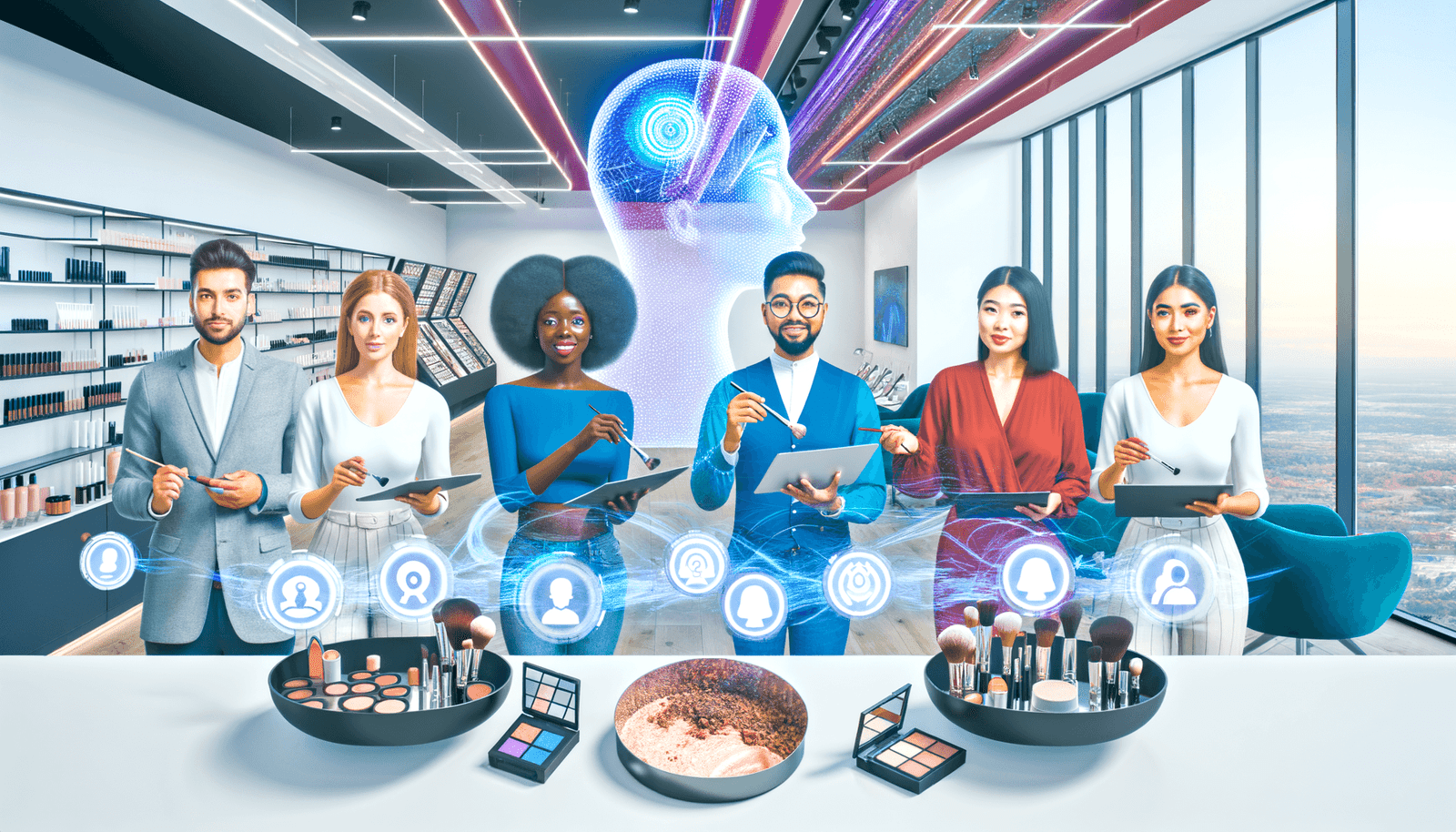
Welcome to a deep dive into the innovative realm of Artificial Intelligence in the beauty and cosmetics industry. With the market projected to reach a staggering US $13.34 billion by 2030, AI is unlocking new possibilities for top brands, revolutionizing how products are developed and personalized. In our report by InsightAce Analytic, we explore how AI transforms cosmetics, enhancing everything from skin care recommendations to virtual try-ons. As technology and beauty converge, we witness an exciting era where data-driven insights empower consumers to discover their unique beauty solutions, making the future of cosmetics brighter than ever.
Artificial Intelligence: The New Muse in Beauty
Artificial Intelligence (AI) is not just a buzzword anymore; it’s a dynamic force reshaping the beauty and cosmetics industry. Imagine walking into a store or logging onto a beauty website where tailored recommendations pop up, helping you select the perfect shade of lipstick for your skin tone or the most suitable serum for your skincare needs. This revolutionary change is already happening as brands around the world begin to leverage AI and machine learning to create bespoke experiences. The integration of AI is not merely a trend; it’s a full-scale transformation that sparks joy and confidence in consumers and boosts sales for brands. The application of AI promises to turn every beauty ritual into a personalized affair.
Data-Driven Personalization
One of the most significant advantages of AI in cosmetics is the power of data-driven personalization. Each consumer has unique skin concerns, preferences, and styles. Through AI algorithms, companies can now analyze vast amounts of data to meet those individual needs. Whether it’s skin type, personal style, or prevalent concerns like acne or dryness, AI interprets this information to offer tailored suggestions. For example:
- Customized Products: Brands like Proven Skincare use AI-driven algorithms to create customized skincare formulas based on user-provided data on skin type, environmental factors, and even dietary habits.
- Virtual Skin Analysis: Platforms like Skinsei employ AI to analyze skin health through selfies, offering personalized product recommendations that help mitigate skin issues effectively.
- Beauty Quizzes: Numerous brands have introduced quizzes powered by AI to identify customer preferences, matching them with the right products, ensuring an accurate fit every time.
Using such advanced technologies empowers consumers, allowing them to formulate their own beauty solutions, which were previously hard to come by. This level of customization marks a significant departure from the “one-size-fits-all” approach that characterized much of the beauty industry.
Revolutionizing Product Development
AI’s capabilities extend beyond just personalization; they also play a crucial role in product development. Gone are the days when brands capitalized on guesswork to introduce a new cosmetic line. With AI, companies can predict trends by analyzing social media conversations, online reviews, and search telemetry. Brands are now harnessing AI to:
- Predict Market Trends: Utilizing machine learning algorithms, companies can analyze customer behavior in real-time and adjust their product offerings dynamically.
- Optimize Formulations: AI tools can assess the effectiveness of ingredients in real-time, speeding up formulation processes while ensuring that the final products deliver on their promises.
- Reduce Time to Market: The traditional product development cycle can take years; AI-powered technologies streamline this cycle, allowing brands to release new products in a matter of months.
With the ability to anticipate consumer needs, brands are stepping onto the market with more confidence and clarity, ensuring that they remain competitive and relevant.
Enhancing Consumer Engagement through Virtual Experiences
Virtual shopping has taken a quantum leap forward, thanks to AI. The ability to visualize products and access beauty services from the comfort of one’s home has made online shopping more engaging and convenient. Many brands have integrated AI-powered tools that enhance consumer interaction:
- Augmented Reality (AR) Try-Ons: Makeup giants like Sephora and L’Oreal have embraced AR technology, allowing customers to try on products virtually before making a purchase. These tools give consumers a realistic preview, reducing the chances of buyer’s remorse.
- Chatbots and Virtual Assistants: AI-driven chatbots serve as virtual beauty consultants, providing recommendations and answering skincare questions 24/7. Brands like Estee Lauder have successfully used chatbots to improve customer service and engagement.
- Interactive Social Media Campaigns: AI helps brands create targeted campaigns based on user demographics and behaviors, fostering strong connections while personalizing content that resonates with diverse audiences.
The result? Enhanced consumer engagement and satisfaction, ultimately leading to increased brand loyalty. In this arena, consumers aren’t just passive participants; they are empowered beauties shaping the future of their experience.
AI’s Role in Sustainability
In a world where consumers are increasingly mindful of sustainability, AI is stepping up in unprecedented ways. The cosmetics industry has long grappled with the challenge of waste, from product overages to inefficient supply chains. AI helps brands become more responsible and sustainable:
- Efficient Resources Management: Forward-thinking companies utilize AI to forecast demand accurately, reducing the risk of overproduction and excess waste.
- Ingredient Transparency: AI-powered applications can educate consumers about the sourcing and impact of ingredients, turning informed choices into ethical decisions.
- Sustainable Packaging Advances: Brands can analyze data to discover sustainable packaging alternatives that balance functionality with ecological responsibility.
With AI-driven insights, brands are rewriting the narrative around sustainability in beauty, showing that the quest for aesthetics does not have to come at the cost of the planet.
Challenges Ahead for AI in Beauty
Despite the overwhelming advantages, challenges remain in the integration of AI into the beauty space. Navigating issues like data privacy and the need for human touch in an industry built on personal connections will require brands to remain agile and adaptive. Moreover, the portrayal of beauty standards through AI lenses raises concerns about inclusivity and representation.
- Privacy Concerns: Consumer data is a vital part of AI’s effectiveness, yet protecting that data while complying with regulations poses a challenge for many brands.
- The Need for Human Touch: While AI can analyze and recommend products, beauty is about connection. Brands must carefully balance technology with the human touch that inspires loyalty.
- Inclusive Beauty Representation: AI must ensure that it avoids reinforcing narrow beauty standards and instead celebrates diversity in all forms.
Addressing these complexities is crucial if the benefits of AI are to be maximized while maintaining consumer trust and satisfaction.
A Glimpse into the Future
As we stand on the brink of an explosion of creativity unlocked by AI, the future of beauty and cosmetics seems ripe for exploration. Imagine an era where:
- Instant Customization: Consumers could blend ingredients in real-time for the ultimate in beauty routine personalization.
- AI-Powered Wellness: Beauty products might evolve to incorporate health insights from users, marrying wellbeing with beauty.
- Smart Beauty Devices: Devices may emerge that adapt applications based on individual skin conditions or preferences, ensuring optimal results each time.
The possibilities are as limitless as the beauty that fuels them. With AI functioning as a conduit to innovative beauty practices, the industry stands poised to redefine itself continuously, embarking on a journey of unprecedented growth and engagement.
Conclusion
As we explore how AI transforms cosmetics, it becomes clear that the union of technology and beauty is reshaping the landscape profoundly. With personalized experiences, better product development, enhanced engagement, and sustainability initiatives, AI is a powerful tool that brands must harness wisely. If you’re curious about delving deeper into how AI is transforming the cosmetics sphere, check out Neyrotex.com for insightful articles and resources. Welcome to the beauty revolution—where AI and innovation go hand in hand!