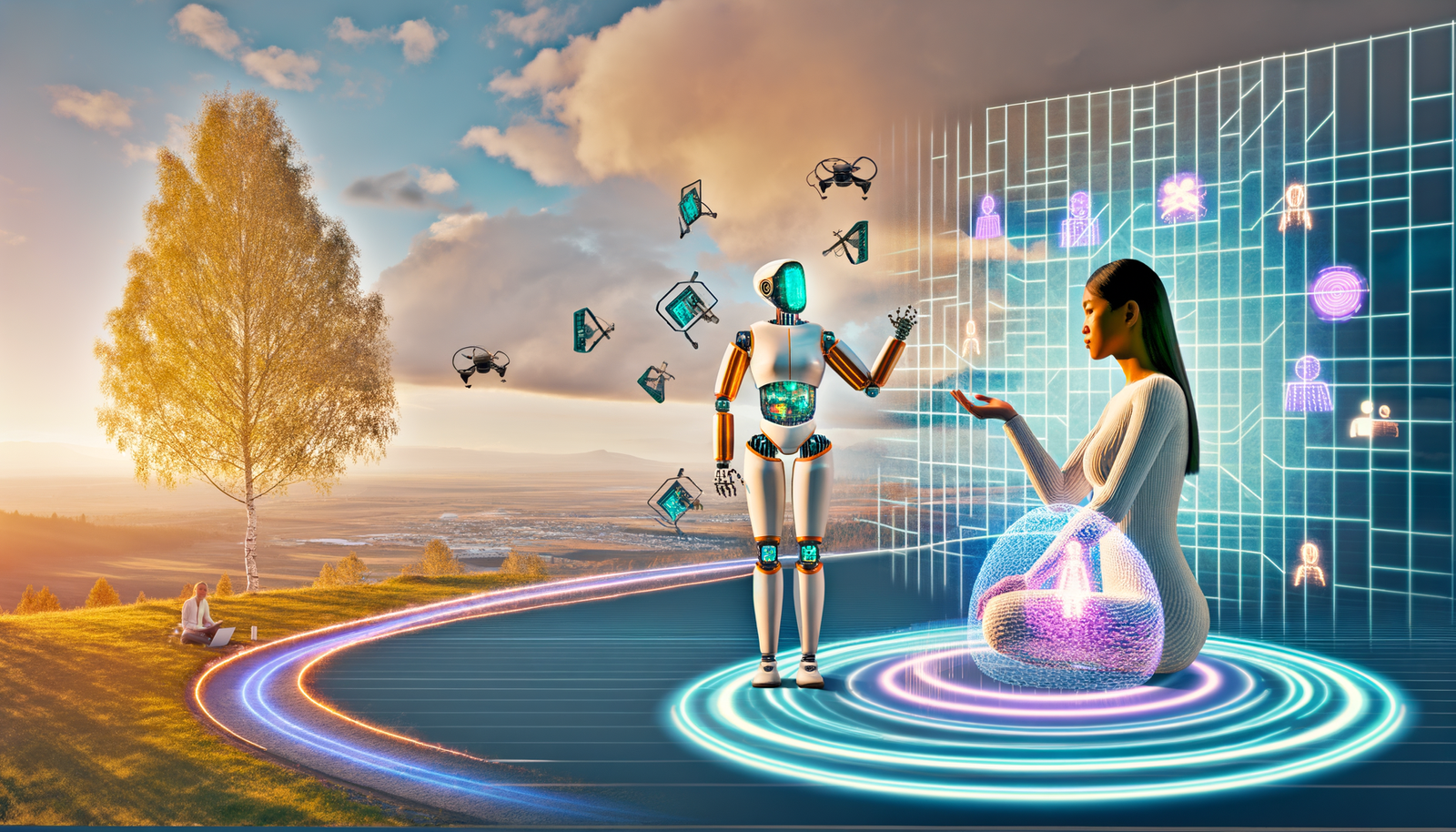
Artificial Intelligence (AI) has swiftly emerged as a cornerstone of modern productivity, transforming how we work and communicate. With tools like ChatGPT experiencing staggering adoption rates—jumping from 10% to over 50% in just a year—the potential of AI is undeniable. Yet, as we embrace its blessings, it is crucial to respect its limits. “Unlocking AI’s Power: Embrace Its Blessings, Respect Its Limits” encapsulates the dual responsibility we share: leveraging AI’s capabilities while navigating the ethical and practical boundaries. As we dive deeper into this transformative technology, understanding its implications becomes essential for sustainable progress.
Blazing Trails in Technology
The landscape of technology has been irrevocably altered by the advent of AI, marking the beginning of a new age in productivity and innovation. From automating mundane tasks to facilitating complex decision-making, AI offers untold advantages across industries. However, like any powerful tool, it warrants careful consideration and respect for its limitations. Each breakthrough beckons not just excitement but also caution and ethics, as we gradually unlock AI’s power.
The Blessings of AI
To understand the full spectrum of AI’s potentials, we must first take a closer look at the numerous blessings it brings to the table. Here are some ways AI is reshaping our lives:
- Enhanced Efficiency: One of the most notable benefits of AI is its ability to perform repetitive tasks with speed and accuracy. Whether it’s data entry or customer service inquiries, AI tools can decrease turnaround times and improve overall productivity.
- Data-Driven Decision Making: Algorithms analyze vast amounts of data with ease, providing insights that humans may overlook. This newfound ability enables organizations to make informed decisions based on real-time analytics.
- Personalization: AI tailors user experiences, from shopping recommendations to content curation. By learning preferences, AI can predict and suggest options that would suit individual users, enhancing satisfaction.
- Creativity Unleashed: While this may sound a bit surprising, AI has made strides in creative fields too. From generating art to composing music, it’s become a collaborator of sorts, sparking inspiration for innovators.
- Accessibility: AI tools make information more accessible to those with disabilities, offering speech recognition, description services, and various applications that promote inclusivity.
Understanding the Limits of AI
With great power comes great responsibility—and AI is no exception. While its blessings are promising, several boundaries must be respected. Here are some crucial limitations to consider:
- Ethical Concerns: AI systems often contain biases baked into their algorithms, reflecting human prejudices; this has profound implications for fairness and equality, especially in hiring and law enforcement.
- Lack of Understanding: AI models, particularly machine learning algorithms, can operate as black boxes. Their decision-making processes can be opaque, making it challenging to ascertain how conclusions are reached.
- Privacy Issues: With increased data collection comes the ethical concern of user privacy. How data is stored and utilized can often raise red flags regarding security and personal information.
- Job Displacement: Automation could inadvertently lead to job loss, as particular roles become redundant in the face of advancing technology. The challenge lies in finding a balance between efficiency and human employment.
- Dependency Risks: Increased reliance on AI can result in diminished human skills. Critical thinking and problem-solving could potentially take a back seat as people lean on AI for every decision.
Striking a Balance for Sustainable Progress
To fully embrace AI’s blessings while respecting its limits, we must cultivate a balanced approach. This calls for a multi-faceted strategy, focusing on ethical frameworks and regulation to guide our interaction with this powerful technology.
Developing Ethical AI
Creating guidelines that prioritize ethical AI implementation is vital for forwarding innovation while protecting societal values. Here are a few approaches to consider:
- Transparency: Organizations should strive for transparency in how their AI systems operate and make decisions. This establishes trust among users, ensuring that they understand the processes driving AI-powered solutions.
- Inclusive Design: Designing AI systems that reflect diverse perspectives can help counteract biases that lead to unfair outcomes. Ensuring representation in data sets and decision-making roles within organizations is crucial.
- Continuous Learning: As technology and society evolve, so too must the ethical frameworks surrounding AI. Regular reviews and updates can support an adaptable strategy that keeps pace with advancements.
- User Control: AI should enhance human autonomy rather than replace it. Empowering users with control over their data and the decisions of AI can foster a healthier relationship and mitigate dependency risks.
Fostering Collaboration Between Humans and Machines
The relationship between humans and AI is not one of competition, but rather collaboration. By leveraging the strengths of both, we can unlock AI’s incredible power without losing sight of humanity’s evolution. Collaboration encourages professional growth and inspires creativity and innovation on many levels.
Celebrating AI Innovations: Real-World Examples
The benefits of AI are vividly illustrated through a range of exciting real-world applications. Here, we highlight a few innovative endeavors that showcase how AI is revolutionizing various fields:
- Healthcare: AI is making waves in diagnostics, treatment, and patient care. From analyzing medical images for early detection of diseases to predicting patient outcomes, AI is proving itself an invaluable ally in healthcare.
- Finance: In the financial sector, AI assists in fraud detection and risk assessment, enabling quicker and safer transactions for all. Algorithms monitor transactions in real-time to protect consumers from fraudulent activity.
- Environment: AI is being utilized to combat climate change by optimizing energy consumption, enhancing efficiency in transportation, and enabling smart resource management. The future of sustainability hinges on such technological advancements.
- Education: Personalized learning solutions powered by AI tailor educational experiences to individual student needs. AI can identify learning patterns and suggest content that maximizes comprehension and engagement.
What Lies Ahead?
The future of AI is a rich tapestry interwoven with promise and responsibility. As we navigate through uncharted territory, we must remain vigilant in our approach to leveraging its capabilities while understanding the ethical implications at play. Future advancements hold the possibility of monumental breakthroughs—if paired with the commitment to mindful and respectful application.
In conclusion, “Unlocking AI’s Power: Embrace Its Blessings, Respect Its Limits” serves as a guiding motto as we embark on this extraordinary journey. The blessings of artificial intelligence are tempting, but our commitment to ethics and responsibility remains paramount. As we integrate AI into our lives, may we celebrate its blessings while honoring its boundaries, forging a pathway that promotes sustainable progress and innovation. It’s time to embrace this transformation while safeguarding humanity’s foundational values.
If you want to learn more about the responsible integration of AI into our lives, visit Neyrotex.com.