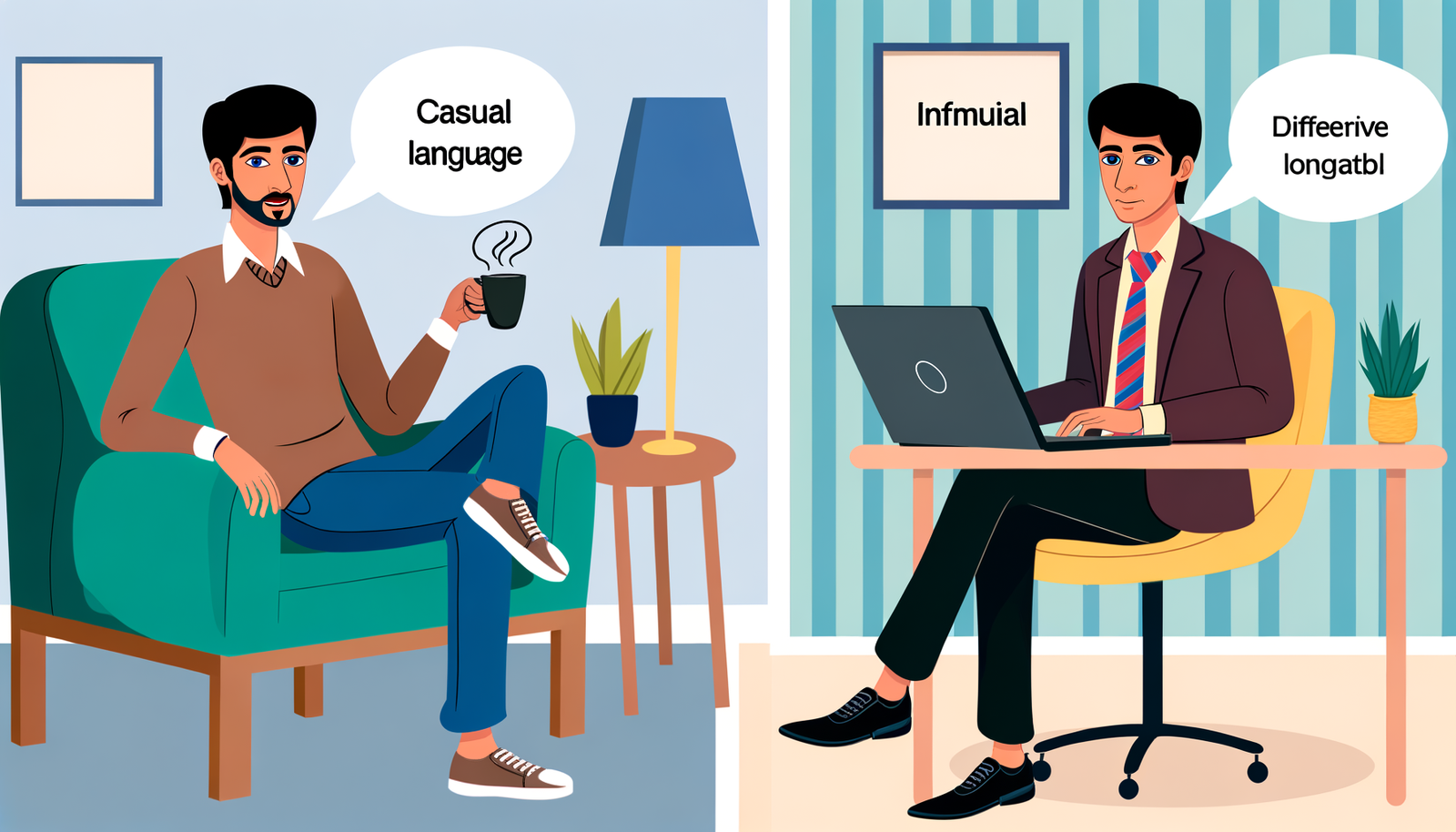
In a groundbreaking study, Oxford researchers have uncovered a striking phenomenon: two of the most influential free AI chat models provide different answers on factual topics influenced by users’ ethnicity, gender, or age. Unlock the Secrets: How Your Speech Shapes Language Models! This reveals the subtle biases embedded in AI systems, underscoring the importance of understanding how societal factors shape the responses generated by these technologies. As AI becomes increasingly integrated into our daily interactions, it’s essential to critically assess how these models reflect and potentially reinforce existing societal disparities.
Discovering the Dynamic World of Language Models
The artificial intelligence landscape is evolving rapidly, with language models playing a pivotal role in our interaction with technology. Whether it’s through helpful chatbots or sophisticated writing assistants, these models have become increasingly essential in various domains. However, one tantalizing question lingers: **How does our speech affect the answers we get from these language models?** Buckle up, because we’re about to embark on an enlightening journey that reveals the secrets of how your speech shapes language models!
The Influence of Speech on AI Responses
Imagine chatting with an AI daily about anything from the weather to philosophical questions. It’s friendly, responsive, and mostly accurate—until it isn’t. Our language doesn’t just represent words; it carries an array of implicit cues influenced by our backgrounds, personalities, and contexts. Surprisingly, language models such as OpenAI’s ChatGPT and others process these cues differently, responding not only to the words you use but also to the subtleties of how you speak.
- Ethnicity: Your speech could reveal aspects of your ethnic background, often leading AI models to frame their responses according to perceived ‘cultural context’.
- Gender: Interestingly, male and female users may receive responses tailored towards gender-stereotypical narratives.
- Age: Younger users might be offered responses filled with contemporary slang and references, while older users may find the language models opting for more traditional dialogue.
Why Does This Happen?
At the core of this phenomenon lies a delicate dance between AI algorithms and the data they are trained on. These models learn patterns from vast datasets that are often riddled with societal biases. As they assimilate information, they inherently **pick up on societal narratives** and trends that inform their responses. In simpler terms, they emulate the language, context, and subtleties of the speech styles they have been primarily exposed to in their training data.
Societal Bias: A Double-Edged Sword
The revelations from Oxford researchers are unsettling, shedding light on the way **societal bias** seeps into artificial intelligence. Though language models have the potential to revolutionize communication and knowledge dissemination, they can also inadvertently perpetuate **inequalities** if left unchecked. This spotlight on societal disparities beckons a pressing call for the tech industry: *design models that foster inclusivity and equality.*
The Mechanisms Behind Responses
Eager to unpack these biases? Let’s break it down! Language models employ an architecture known as **transformers**, which are designed to process and understand human language. Here’s how it unfolds:
- Input Processing: When we type or speak, our input is converted into a numerical format that the model can understand.
- Contextual Understanding: The model assesses the context through which we deliver our speech, accounting for conversational nuances.
- Bias Recognition: The AI recognizes patterns linked to gender, ethnicity, and age, and biases its responses accordingly.
A Reality Check: Human Interpretation
Herein lies the crux of the matter: while these models aim for accuracy, they can only respond based on their understanding—a reflection of the vast array of human interactions they’ve been trained on. This raises an important point: **how can we cultivate a more equitable AI landscape?** The answer may lie in raising awareness amongst users about how their speech influences AI responses.
Strategies for Users: Speak Consciously
By recognizing how vocal inflections, slang, and even pauses can shape conversations with AI, users may harness their power more effectively. Here are some strategies:
- Be Clear: Using precise language and avoiding ambiguity can lead to more accurate responses.
- Awareness of Tone: Avoid letting casual speach or slang dominate; after all, clarity is king!
- Experiment: Don’t hesitate to vary your tone and phrasing to see how different styles elicit various responses.
The Road Ahead: AI and Social Responsibility
As AI tools permeate every layer of our lives, the ethical ramifications can’t be ignored. How do we pair innovation with responsibility? Engaging with scholars, policymakers, and developers, stakeholders must work diligently to address these bias issues. We must advocate for the creation of **AI frameworks** that embed social considerations at their core, ensuring that language models are not merely mirrors reflecting society’s shortcomings but rather beacons guiding us towards equality.
Improving AI with Better Datasets
Tech giants are already moving towards a solution-oriented approach with a commitment to improving the datasets used for training. These datasets should be more diverse, representing a comprehensive tapestry of human experiences. Models that become aware of their biases can learn to adjust their responses, forging pathways for more accurate reflections of societal norms rather than aberrations.
Laying Foundations for the Future
Engaging with AI can be an active dialogue—akin to a partnership. To hone this relationship, we need critical questions flowing like a stream. How can we ensure that responses are balanced across diverse demographic groups? What accountability mechanisms should AI companies implement to rectify potential biases? The journey into understanding how our speech shapes language models is paved with opportunity, waiting for users to wield the power of their influence, even in technological conversations.
Conclusion: Your Voice Matters!
As we wrap up this exploration, it becomes evident: your voice matters! The way you communicate can mold not only your experience but the experiences of countless others interacting with AI systems. Equipped with knowledge about AI’s biases, we can advocate for more just technology, navigating the intricate web between innovation and equity.
So, the next time you engage with your friendly AI assistant, consider the nuances of your speech—embrace the power it possesses. Together, we can unlock the secrets behind how our speech shapes language models, paving the way for a future where technology aligns more closely with our shared values. The possibilities are endless—let’s engage with this captivating world with intention and responsibility!
For more insights into neurotechnology and the implications of AI, don’t hesitate to check out Neyrotex.com.