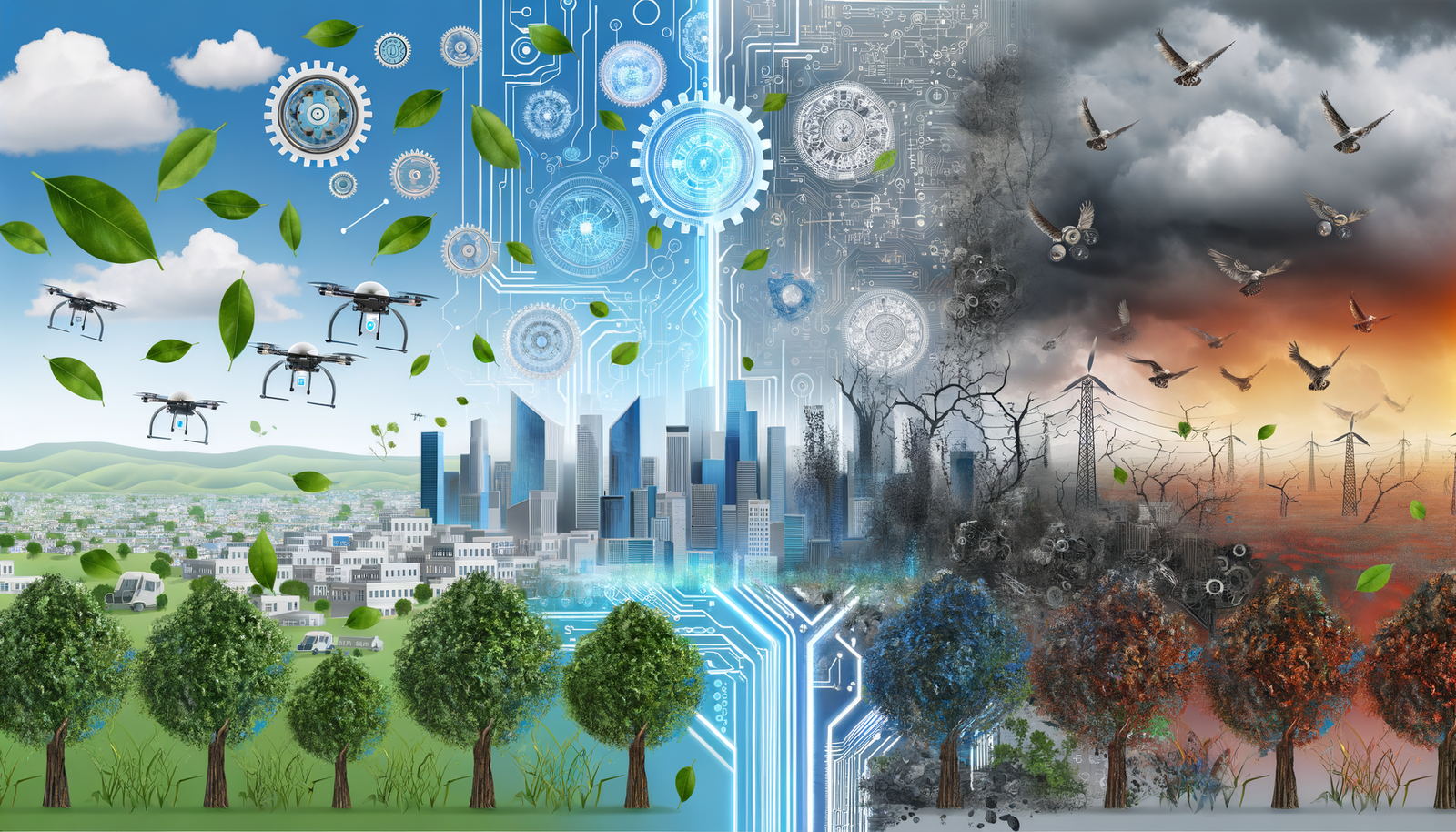
Welcome to The Big Story podcast, where we delve into the intricate relationship between technology and the environment. In our latest episode, we explore the striking insights from “Unearthed: How Artificial Intelligence is Harming Our Environment.” As we embrace advancements in artificial intelligence, it’s crucial to examine the hidden costs, including energy consumption and carbon footprints. Join us as we unpack these challenges and discuss the broader environmental impacts of technology. Together, we’ll navigate the fine line between innovation and sustainability, fostering a deeper understanding of our digital footprint’s role in shaping the planet’s future.
Unearthed: How Artificial Intelligence is Harming Our Environment
In recent years, artificial intelligence (AI) has revolutionized various industries, streamlining operations and introducing unprecedented efficiencies. However, beneath this shiny veneer of progress lies a sobering truth: the technology we hold in high esteem comes with a hefty toll on our environment. With increasing reliance on AI technologies, we’re getting a fresh perspective on a long-overlooked aspect of the digital revolution: how artificial intelligence is harming our environment.
The Energy Consumption Conundrum
First and foremost, when discussing AI’s environmental impact, we cannot ignore its staggering energy consumption. Training machine learning models—especially large ones—requires immense computational power. The power consumption of data centers is growing exponentially. According to a recent study, the energy used to train a single AI model can power several homes for a year! Imagine using that kind of energy merely for lingering over flashy algorithms and intricate code.
- Data Centers: The backbone of the AI revolution, data centers house thousands of servers, crunching numbers and facilitating real-time decision-making processes.
- Greenhouse Gas Emissions: These energy-hungry centers contribute significantly to greenhouse gas emissions, as most are still powered by fossil fuels.
- Cooling Requirements: The heat generated by these servers necessitates extensive cooling systems, further escalating energy costs.
What’s particularly ironic is that while AI technologies are designed to optimize energy consumption in other sectors, such as smart grids or intelligent buildings, they simultaneously contribute to energy demands that sharply increase the overall carbon footprint. Many experts suggest that the energy impact of AI could be a “ticking time bomb” in the environmental context.
The Carbon Footprint Dilemma
The phrase “carbon footprint” often conjures images of cars on the road or factories belching smoke. But what about the abstract, unseen emissions generated by our digital lives? Each interaction with AI—be it through voice assistants, recommendation algorithms, or any other facet—adds to our carbon footprint. And the numbers can be staggering!
A report by the International Energy Agency estimates that data centers account for around 1% of global energy consumption. If the trend continues, it’s projected that by 2030, that figure might rise to 3-5%. Just think about that: our quest for convenience, productivity, and entertainment is potentially leading us towards an unsustainable future.
Resource Drain and E-Waste
Aside from energy usage, let’s discuss something that often gets overshadowed: the tangible resources consumed in the creation and maintenance of AI technologies. From rare earth metals used in servers to the production of powerful GPUs—our insatiable demand for processing power is driving a resource-intensive cycle.
- Mining Impacts: Extracting these valuable metals comes with significant ecological harms: destruction of habitats, increased pollution, and potential health hazards for surrounding communities.
- E-Waste Crisis: As technology evolves, obsolete devices contribute to growing electronic waste, which is often mishandled or poorly recycled, leading to toxic byproducts.
The manufacturing and disposal processes behind AI are often overlooked. People praise AI for its capabilities but fail to consider the sacrifices that come with its production. Our hunger for the latest and greatest technologies inadvertently contributes to environmental degradation.
Artificial Intelligence and Climate Change
The relationship between AI and climate change emerges as a complex web. On one hand, AI has the potential to help combat climate change by improving efficiencies in various sectors, including energy use, agriculture, and transportation. Yet, paradoxically, the environmental impact of the AI industry itself runs counter to these benefits.
For example, AI-driven models can predict climate patterns and help streamline agriculture, optimizing water and fertilizer use. But then we come back to that core problem: the energy consumption needed to develop and operate these AI systems can overshadow any potential environmental gains. It’s a continual balancing act between leveraging technology for good while managing its associated costs.
A Sustainable Future with AI
So, where do we go from here? As we stand at this crossroads, it’s crucial to emphasize the responsibility shared by developers, policymakers, and consumers alike. The key lies in finding a way to harness AI’s capabilities while maintaining a commitment to sustainability and environmental stewardship.
- Energy Efficiency: Companies should prioritize optimizing their data centers for energy efficiency, exploring renewable energy sources, and implementing cooling systems that minimize waste.
- Responsible Mining Practices: As consumers urge tech firms to become more transparent about sourcing materials, responsible procurement strategies will remain vital in minimizing negative impacts.
- Innovative Recycling Solutions: Advancing e-waste recycling systems and creating closed-loop production processes are essential to curbing the environmental cost of tech advancements.
Education is also a powerful tool. Consumers must stay informed about their digital consumption, prompting companies to act responsibly and consider the hidden costs of their products. For those of us engaged in the tech world, the challenge lies in nurturing innovation that respects our planet while still striving to propel us towards a brighter future.
An Ongoing Conversation
The discussion surrounding how artificial intelligence is harming our environment is far from over. The insights from the latest episode explore a theme that resonates deeply with our current climate crisis—managing the balance between progress and sustainability. Let’s come together to foster an informed conversation about how we can build a future where technology and environmental consciousness coexist harmoniously.
As AI technology evolves, the need for conscious development becomes ever more pressing. There’s no denying that artificial intelligence is here to stay, but as we navigate this landscape, we can mitigate its environmental repercussions through mindful and responsible practices. As stewards of our planet, it’s our duty to forge paths forward that nurture both innovation and sustainability.
In conclusion, acknowledging the energy demands and resource implications linked to AI is just the beginning. Encouraging businesses to adopt greener practices and consumers to make educated choices is essential as we embrace the future of technology. For additional resources and insights about our digital footprint, feel free to visit Neyrotex.com.