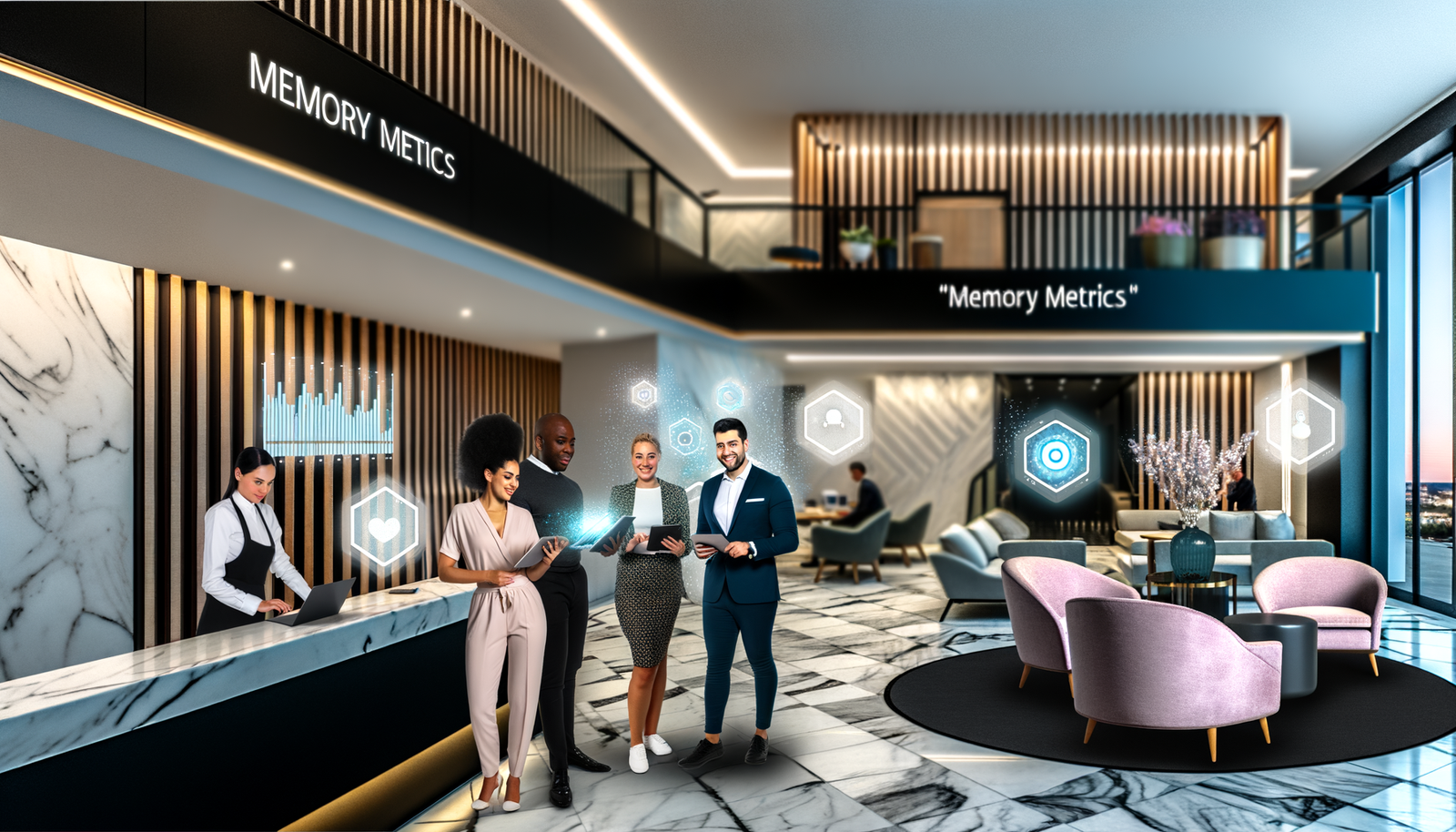
Transforming ROI: Unlocking Hospitality’s Future with AI & Metrics
In the ever-evolving landscape of regional hospitality, the fusion of memory and metrics holds the key to unlocking unprecedented growth. As the industry grapples with modern challenges, harnessing data-driven insights is paramount. Transforming ROI: Unlocking Hospitality’s Future with AI & Metrics delves into how these tools can revolutionize customer experiences and operational efficiency. By leveraging artificial intelligence and robust analytics, hospitality leaders can not only boost profitability but also foster deeper connections with their guests, creating memorable experiences that enhance brand loyalty and drive future success. Embrace the future and elevate your hospitality game.
The Hospitality Challenge: The Need for Change
The hospitality sector is no stranger to change—but in the face of recent upheavals, particularly those influenced by the COVID-19 pandemic, there’s a growing acknowledgment that traditional methods of measuring success are becoming obsolete. The once-reliable indicators of ROI are no longer providing a clear picture of what guests want or how businesses can thrive. This complexity is compounded by shifting consumer preferences, technological advances, and an increasingly competitive landscape. It’s a tough nut to crack—one that requires reimagining how we think about and approach ROI.
Memory Metrics: What Are They and Why Do They Matter?
In dissecting the modern challenges of the hospitality industry, one component emerges as a game-changer: memory metrics. But what exactly are they? Simply put, memory metrics involve the synthesis of data points that create a nuanced picture of what guests remember about their experiences. Instead of only focusing on transactional metrics, like occupancy rates or average daily rates (ADR), memory metrics help us understand emotional connections and subjective experiences. This innovative approach can drive a deeper engagement with guests and create a roadmap for operational excellence.
Consider this: a guest who recalls a unique experience at a hotel is more likely to return and spread the word. Memory metrics track these subjective experiences, ensuring hospitality businesses can cultivate strong emotional ties between brands and guests.
Artificial Intelligence: The Secret Sauce
The real magic happens when memory metrics meet artificial intelligence (AI). AI isn’t just a buzzword; it’s a powerful tool that can help hospitality businesses harness vast amounts of data to make informed decisions. From analyzing customer interactions to predicting booking patterns, AI can provide restaurants and hotels with a treasure trove of insights.
- Personalized Experiences: AI can tailor recommendations based on a guest’s previous stays or preferences, ultimately enhancing their experience.
- Operational Efficiency: AI-driven analytics can streamline workflow, automatically scheduling staff and managing inventories according to anticipated demand.
- Real-Time Feedback: With AI monitoring guest feedback as it comes in, businesses can address concerns on the spot instead of waiting for traditional surveys.
This kind of data-driven, customer-centric approach is transforming how the hospitality industry operates, proving that the key to success lies in leveraging both memory metrics and AI to unlock a new era of guest relations.
Driving Profitability Through AI and Metrics
It’s essential to connect the dots between innovative practices and profitability. By combining memory metrics and AI, hospitality leaders can tap into previously unknown avenues for revenue generation. For example, hotels can reduce costs by optimizing utility usage through predictive analytics or increase sales through targeted marketing campaigns born from understanding guest behaviors.
Doing so allows businesses to move past the “one-size-fits-all” strategies. Instead, organizations can develop personalized offerings that appeal to a specific audience, maximizing their marketing return on investment (ROI) while fostering customer loyalty.
Best Practices for Implementing AI and Memory Metrics
So, how can hospitality businesses effectively integrate memory metrics and AI into their operations? Here are several best practices to consider:
- Invest in Technology: Start with solutions that integrate AI and analytics specifically designed for the hospitality sector. Vendors like Neyrotex specialize in offering these solutions tailored for regional markets.
- Foster a Data-Driven Culture: Invest in training staff to interpret metrics effectively and encourage them to rely on data in decision-making processes.
- Prioritize Feedback: Create channels for guests to provide honest feedback, and analyze this information to improve your service continually.
- Blend Technology with Humanity: While automation is beneficial, ensure that personalized interactions remain at the forefront—human connection matters in hospitality.
Examples of Success: Case Studies in the Field
Across the globe, several hospitality leaders are embracing this paradigm shift with notable success. Consider Marriott International, who employs AI analytics to provide personalized offers to guests based on their history. Their “Choose Your Room” feature allows guests to select accommodations that align with their preferences, utilizing memory metrics to enhance guest satisfaction and loyalty.
On a smaller scale, regional hotels have also found success. A boutique hotel chain in California introduced a unique guest-rewards system based on personal travel memories documented via their app. This initiative not only increased repeat bookings but also elevated their brand identity as a community-oriented service provider.
Overcoming Challenges Along the Way
While the journey toward implementing AI and memory metrics is filled with potential, it’s not without roadblocks. There exists a common misconception surrounding the costs and complexity associated with AI deployment. Yet many hospitality businesses fail to see the long-term returns—or the potential benefits of improved guest experiences and streamlined operations.
Additionally, staff resistance to change can impede progress. To counteract this, leadership must clearly communicate the value of these technologies and involve teams in the process, instilling a sense of ownership. When employees see first-hand the impact of actionable insights on their daily tasks—whether it’s optimizing their schedules or providing a more personalized guest service—they’re more inclined to embrace change.
Looking Ahead: The Future of Hospitality
As we gaze into the future of hospitality, the interplay between memory metrics and artificial intelligence represents the cutting edge of strategy development. Hotel managers and restaurateurs must adopt a growth mindset, understanding that staying ahead often means embracing innovative tools while remaining loyal to the core principles of hospitality: connection, quality service, and the guest’s overall experience.
With rigorous data analytics powering their choices, hospitality leaders will not only anticipate guests’ desires—they will enhance their brand journey, further cultivating a culture of lifelong loyalty.
So, the next time you find yourself strolling into a hotel or a local diner, pause for a moment to consider this: behind the scenes, intelligent systems are hard at work, ensuring that your experience is one to remember. Make no mistake, transforming ROI through AI and metrics is no longer simply a luxury; it’s becoming a necessity. If hospitality businesses are willing to pivot, the potential for remarkable growth in this evolving landscape is boundless.
Embrace the future and harness the potential of the fusion of technology and memory. For resources on how to navigate this transformative age in hospitality, visit Neyrotex.com.