Tim Burton Voices Concerns Over the Dangers of AI
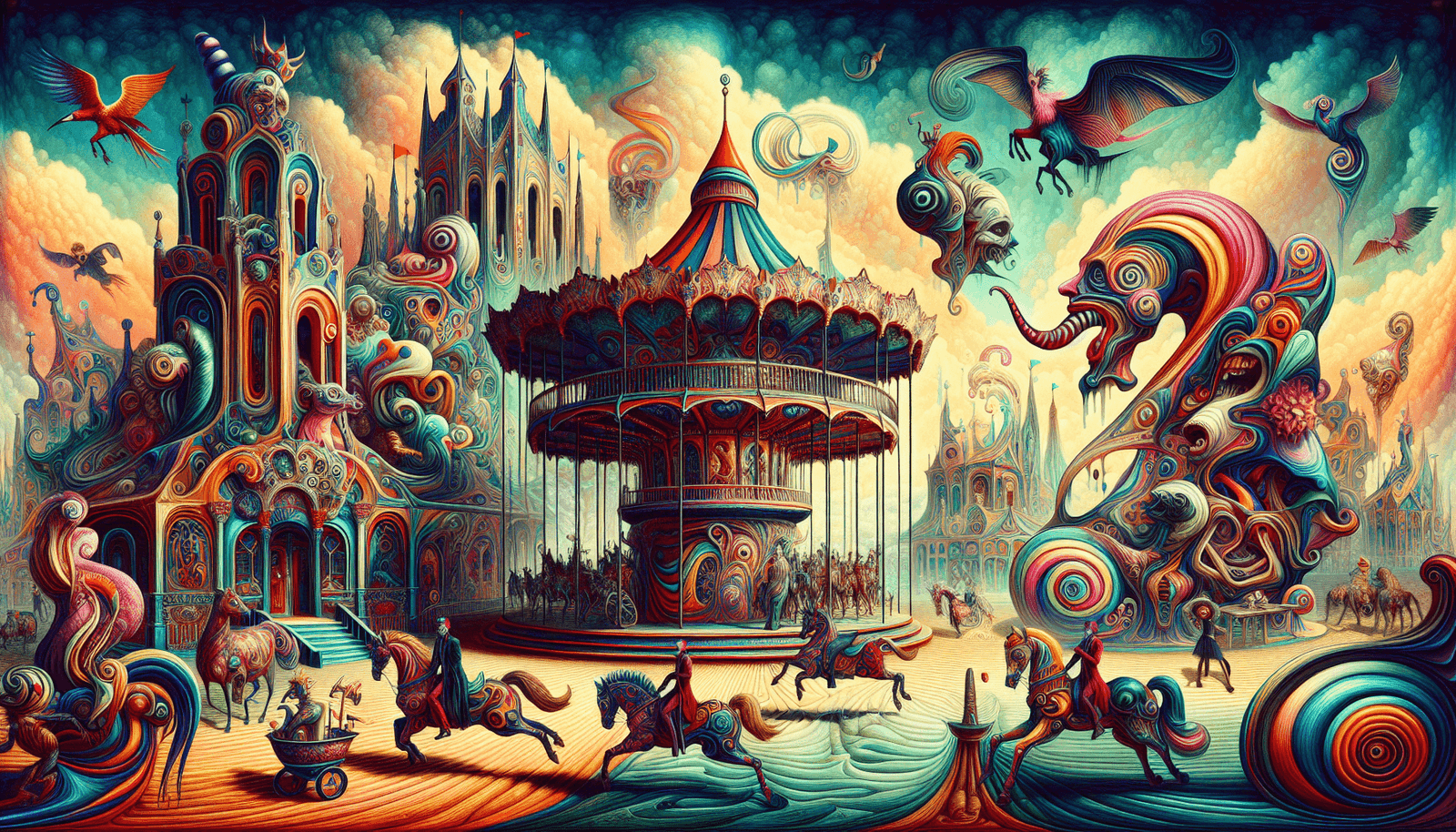
Get ready for a mesmerizing journey into the whimsical and darkly enchanting world of Tim Burton! A new exhibition in London celebrates the iconic filmmaker and artist’s most beloved creations, showcasing a captivating collection of sketches, sculptures, and behind-the-scenes clips from his unforgettable films. Visitors will be transported into the imaginative realms of characters like Edward Scissorhands and the mischievous crew from The Nightmare Before Christmas. This exhibition not only highlights Burton’s unique aesthetic but also offers a rare glimpse into his creative process. Don’t miss this chance to immerse yourself in the magical blend of fantasy and gothic charm that defines Tim Burton’s extraordinary vision!
His magnificent work is now a subject of admiration and intrigue, but at the forefront of Burton’s thoughts is a topic that’s taken the world by storm: the rise of artificial intelligence (AI) and its implications for creativity and human artists. At a time when technology has become almost omnipresent, the iconic director encourages us to contemplate the delicate balance between innovation and authenticity in the creative process. His thought-provoking insights compel us to dive deeper into the potential consequences of an AI-dominated landscape.
The Intersection of Art and AI
To understand the unique perspective held by Tim Burton, it’s vital to appreciate the evolving relationship between AI and the creative industries. Artificial intelligence is reshaping how we create, distribute, and experience art in ways we never thought possible. But at what cost? Burton believes that AI, while a fascinating technological advancement, poses a significant threat to the authenticity and individuality of artistry.
Amidst the innovation, Burton sees the danger: the risk of losing the human element that breathes life into art. “When AI starts to substitute human creativity, we lose something vital—a sense of soul,” he reflects. For Burton, who is renowned for his distinctive gothic aesthetic and imaginative storytelling, the idea of an algorithm outperforming human creatives is unsettling.
The Ever-Changing Landscape of Creativity
This brings us to a pressing question: How does one define creativity? Is it merely a collection of patterns or an innate human experience? Burton’s films are often characterized by fantastical visuals paired with deep emotional undercurrents, a combination that AI struggles to replicate. While machines can produce art at lightning speed, the emotional depth and authenticity found in human expression remain uncharted territory for AI technologies.
In fact, Burton’s work echoes the internal struggles, complexities, and peculiarities of the human experience, a nuance that an AI might capture but never fully comprehend. Neyrotex.com posits that true creativity involves vulnerability—a quality that AI, which operates on logic and data, may never truly grasp. This is crucial for up-and-coming artists and the industry as a whole to consider, particularly as AI continues to evolve and become more integrated into our daily lives.
The Role of AI in the Art World
Historically, technology has always played a role in art—from the invention of the camera to digital illustration tools. AI is simply the latest tool in this evolving landscape. Yet, how it will ultimately shape our creative endeavors remains uncertain. Burton’s concerns specifically target the commercial spillover of AI-generated content. After all, it’s one thing to use AI as an assistant; it’s another to let it redefine what we consider art.
- Loss of Unique Artistic Voice: AI can replicate styles but may dilute the individuality that gives each artist their distinct voice.
- Inundation of Mediocre Art: With AI churning out art, there’s a concern that markets could become flooded with generic, uninspired content.
- Impaired Human Connection: Art has always been about storytelling and connection, a fulfillment that machines may never satisfy.
In essence, Burton’s fears stem from the belief that AI could commodify creativity, stripping away the emotional resonance that connects artists with their audiences. This, in turn, challenges the very fabric of what art represents in society.
A Call for Introspection and Responsibility
As we delve deeper into the realms of AI creativity, Burton’s voice serves as a reminder of the importance of preserving our intrinsic human qualities. He encourages artists to engage with technology thoughtfully, leveraging its benefits without allowing it to overshadow their unique creative processes. “We must be responsible in how we engage with these tools,” Burton asserts.
Each artistic creation possesses a narrative, a backstory laden with passion, fear, and discovery. It’s essential for creatives to retain their power within this narrative amidst the sci-fi landscape of ones and zeros. Perhaps the answer lies not in outright rejection but in collaboration—using AI as an ally rather than a replacement.
The Future of Creativity
As the art world adapts to these technological advancements, the challenge will be finding a balance between human artistry and AI-generated creations. How can we harmonize creativity and technology? Burton’s thoughts echo a sentiment shared by many artists: AI should complement, not compete. The art community can—and should—embrace technology while remaining anchored in the realities of human experience.
There’s an undeniable fact: we are witnessing a transformational era in artistic expression. The implications of AI on future generations of artists and their work are yet to be seen. Will we see a formidable marriage of creativity and technology, or will we solely inhabit a world filled with algorithm-generated artworks lacking emotional depth?
Educating Artists on AI Impact
To tackle these pressing questions, existing institutions and burgeoning art schools must educate budding artists about the implications of AI in the creative industries. Through workshops, discussions, and exhibitions, a robust understanding of AI’s capabilities and challenges can emerge. Knowledge is power, and artists equipped with this knowledge will be more resilient in harnessing technology while safeguarding the human spirit in their art. To learn more about the intersection of art and technology, consider exploring resources like Art and Technology Insights.
Creativity is an intricate dance of personal Voice, shared experiences, and introspection, something that AI can only mimic but never truly embody. Tim Burton’s reflections inspire us to pull back the curtain on our artistic journeys and to tread cautiously, with one foot planted firmly in the realm of human emotion. As we navigate the ever-changing landscape of creativity, let’s ensure that our artistic expressions remain imbued with soul and authenticity—the very qualities that set us apart from the machines.
Evolving Amidst Change
As we conclude our reflection on Burton’s thoughts about AI and creativity, it becomes strikingly clear that we stand at a crossroads. The fusion of technology and artistry offers immense potential for innovation, but it also raises critical questions about the future we are crafting together. It’s crucial for all creators to recognize the age of AI as an opportunity for introspection rather than simply an encroachment on artistic territory. Art is an evolutionary process, always adapting and innovating, and the challenge lies in ensuring that this evolution remains rooted in humanity.
Tim Burton’s imaginative legacy invites us to reconsider our relationship with technology. Let’s harness it responsibly and creatively while safeguarding our artistic voices. With every creation we bring forth, let us strive for authenticity and relevance in this brave new world.
As the landscape of creativity shifts, we must hold on to our values and principles even when facing the advance of new technology. Artists can continue to enlighten the world, unravel beautiful stories, and connect on that deeply personal level that is all too often overshadowed by pixels and programming code. Rest assured, Tim Burton will always remind us that it’s the stories we tell and the emotions we convey that can never be replicated by AI. Check out Neyrotex.com for more insights on preserving creativity in a tech-obsessed world!