
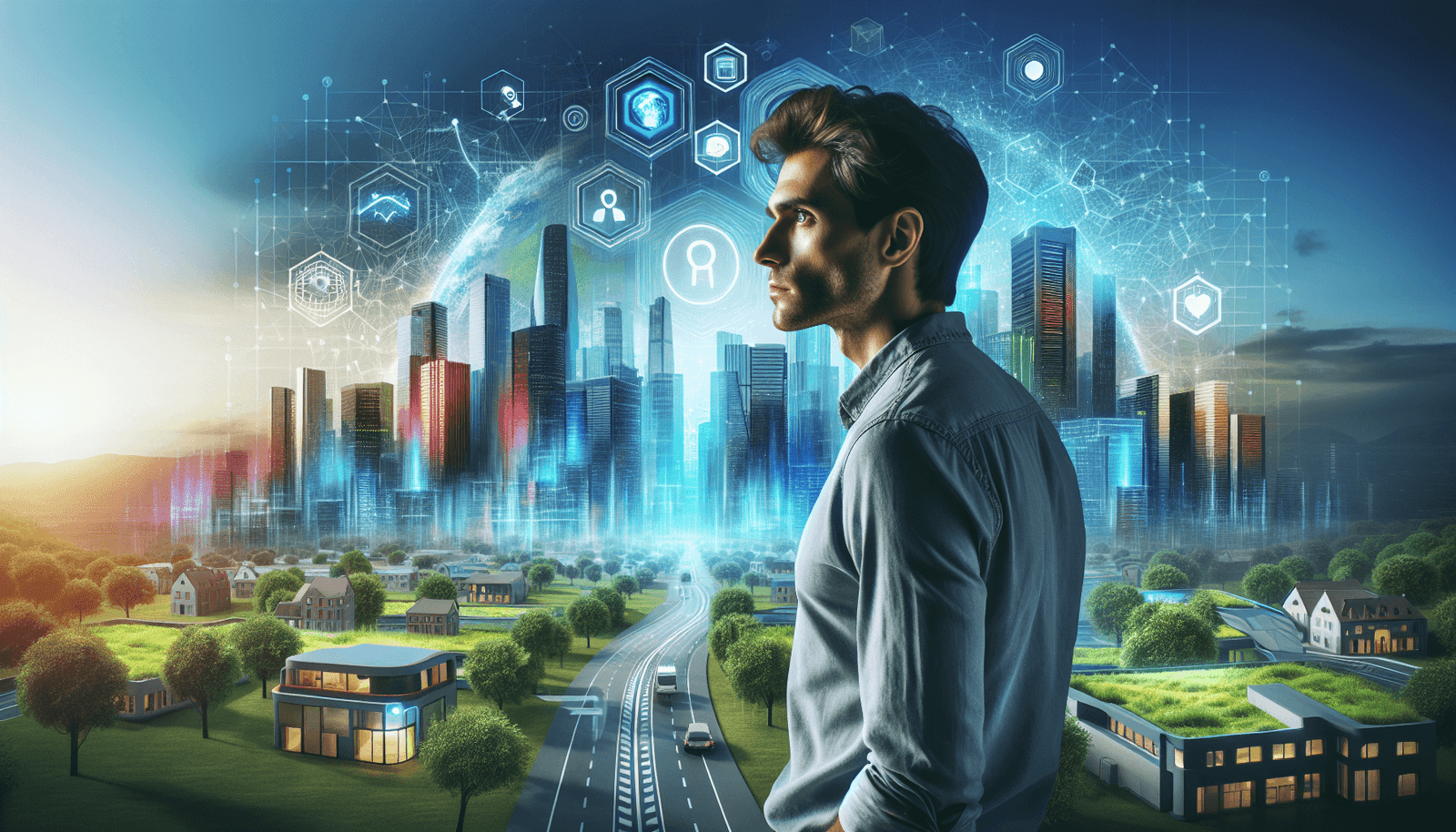
The Role of AI in Smart City Development
In the era of rapid urbanization, the concept of smart cities has emerged as a beacon of hope for efficient, sustainable, and livable urban environments. At the heart of this transformation is artificial intelligence (AI), which is revolutionizing the way cities are planned, managed, and inhabited. Here’s a deep dive into how AI is shaping the future of urban infrastructure.
The Emergence of Smart Cities
Smart cities are not just a buzzword; they represent a paradigm shift in urban planning and management. These cities leverage advanced technologies, including AI, the Internet of Things (IoT), and data analytics, to create more efficient, sustainable, and responsive urban ecosystems.
<p>Imagine a city where traffic lights adjust their timing based on real-time traffic flow, where energy consumption is optimized through smart grids, and where public safety is enhanced through intelligent surveillance systems. This is the vision of a smart city, and AI is the key to making it a reality.</p>
AI in Urban Planning
AI is transforming the landscape of urban environments by enhancing the efficiency and effectiveness of urban planning. Here are some ways AI is making a difference:
Data-Driven Decision Making
AI algorithms can process vast amounts of data from various sources such as sensors, drones, and satellite imagery. This data is used to create detailed models of urban environments, helping planners make informed decisions about infrastructure development, zoning, and resource allocation.
Predictive Analytics
AI-powered predictive analytics can forecast population growth, traffic patterns, and energy demand. This allows cities to prepare for future challenges and opportunities, ensuring that infrastructure development is proactive rather than reactive.
Optimization of Urban Services
AI can optimize urban services such as waste management, public transportation, and water supply. For instance, AI can route garbage trucks more efficiently, reduce traffic congestion by optimizing traffic signal timing, and detect leaks in water pipes before they become major issues.
The Role of IoT in Smart Cities
The Internet of Things (IoT) is a crucial component of smart city infrastructure. IoT devices, such as sensors and smart meters, collect data that AI algorithms can analyze to improve urban services.
Smart Infrastructure
IoT devices embedded in infrastructure can monitor the condition of roads, bridges, and buildings. This real-time data helps in predictive maintenance, reducing the risk of failures and improving public safety.
Smart Energy Management
IoT-enabled smart grids can manage energy distribution more efficiently. AI can analyze data from smart meters to optimize energy consumption, reduce waste, and integrate renewable energy sources into the grid.
AI and Urban Infrastructure
AI is not just about data analysis; it also plays a critical role in the physical infrastructure of smart cities.
Smart Transportation
AI is revolutionizing urban transportation by enabling the development of smart traffic management systems. These systems can adjust traffic signal timings in real-time to minimize congestion and reduce travel times. Additionally, AI is a key component in the development of autonomous vehicles, which promise to transform urban mobility.
Public Safety
AI-powered surveillance systems can enhance public safety by detecting and responding to potential threats in real-time. These systems can analyze video feeds to identify suspicious activities, alert authorities, and provide critical information during emergencies.
Challenges and Opportunities
While AI offers numerous benefits for smart city development, there are also challenges that need to be addressed.
Data Privacy and Security
One of the significant challenges is ensuring the privacy and security of the vast amounts of data collected by IoT devices. Cities must implement robust data protection policies to safeguard citizen data.
Ethical Considerations
AI systems must be designed with ethical considerations in mind. For example, AI algorithms should be transparent, fair, and free from biases to ensure that they serve the entire community equitably.
Future Directions
As AI continues to evolve, its role in smart city development will become even more pivotal. Here are some future directions to watch out for:
Advanced Communications and Satellite Technologies
Conferences like the IEEE COMNETSAT 2024 highlight the importance of advanced communications and satellite technologies in smart city development. These technologies will enable more efficient data transmission and analysis, further enhancing the capabilities of AI in urban environments.
Integration with Other Technologies
The integration of AI with other emerging technologies such as blockchain, 5G networks, and quantum computing will open up new possibilities for smart city development. For instance, blockchain can enhance data security, while 5G networks can provide the high-speed connectivity needed for real-time data analysis.
Conclusion
The role of AI in smart city development is multifaceted and transformative. From data-driven urban planning to the optimization of urban services, AI is the backbone of smart city infrastructure. As we move forward, it is crucial to address the challenges associated with AI adoption while leveraging its full potential to create more sustainable, efficient, and livable cities.
For more insights into how AI is shaping the future of urban living, visit neyrotex.com.
Additional Resources
- AI in Urban Planning: For a deeper dive into how AI is transforming urban planning, check out this detailed analysis by DeFour Analytics.
- Smart City Development: Learn more about the implications of AI in smart city development from this comprehensive reading passage.
- Advanced Communications: Explore the role of advanced communications and satellite technologies in smart city development through the IEEE COMNETSAT 2024 conference.
As we embark on this journey towards smarter cities, it's clear that AI will be the driving force behind this transformation. By embracing AI and its associated technologies, we can create urban environments that are not just efficient but also sustainable and livable for generations to come.


