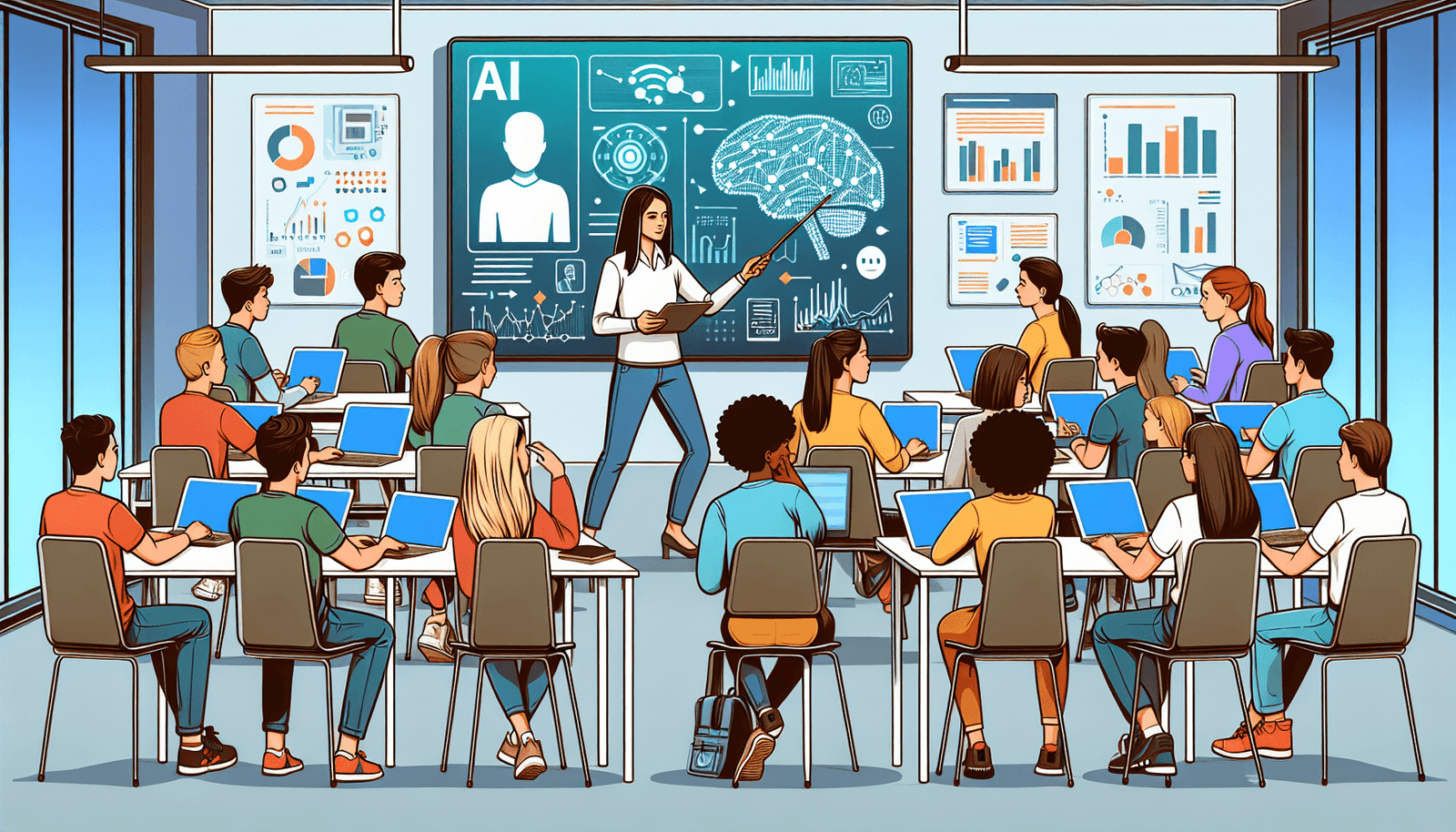
In today’s rapidly evolving educational landscape, schools are grappling with the integration of artificial intelligence into teaching and learning. As educators and students alike face the challenges and opportunities presented by AI, the question looms: How can we leverage these innovative technologies to enhance education while addressing concerns around equity and effectiveness? This exploration delves into the multifaceted implications of AI in classrooms, highlighting both the potential benefits and the hurdles that educators must navigate. Join us as we uncover the transformative power of artificial intelligence in shaping the future of education.
The Transition to AI in Education
The movement toward integrating artificial intelligence into schools is not merely a trend; it’s an evolution aimed at enhancing the learning experience. However, just like with any significant shift, there are challenges that educators must overcome. The journey involves rethinking traditional pedagogical approaches and embracing innovative solutions that artificial intelligence can offer.
Understanding AI in the Classroom
Artificial intelligence encompasses a broad range of technologies designed to simulate human intelligence processes. This includes learning, reasoning, and self-correction. In educational settings, AI can be used for various applications, such as:
- Personalized Learning: Tailoring educational experiences to meet the individual needs of students.
- Assessment and Feedback: Providing instant evaluations of student work and suggestions for improvements.
- Administrative Tasks: Streamlining processes like grading and attendance tracking.
The potential of AI to enhance teaching comes with the demand for a new skill set among educators. To successfully integrate AI, teachers must understand how to utilize these tools effectively.
The Benefits of AI in Learning
As educational institutions implement artificial intelligence, several notable benefits emerge:
- Enhanced Engagement: AI can make learning more interactive and enjoyable, which is especially beneficial for younger students.
- Data-Driven Insights: AI systems can analyze vast amounts of data to identify student learning patterns, enabling teachers to make informed decisions.
- Accessibility: With AI technology, educational resources can become more accessible for students with disabilities through assistive technologies.
Notably, personalized learning through AI is proving to be a game changer. Unlike traditional classroom settings, where one teaching method may not fit all, AI tailors educational experiences based on each student’s strengths and weaknesses.
Case Studies in AI Implementation
Many schools across the country are already harnessing AI technologies. For example, Edutopia highlights schools using AI platforms that adjust the curriculum based on student performance, keeping learners engaged and challenged at their own levels. Similarly, platforms like Knewton and DreamBox Learning use adaptive learning techniques to personalize the learning journey.
Navigating the Challenges of AI in Education
Despite the promising advantages, integrating AI into classrooms isn’t without its challenges. Here are some concerns that educators and administrators must address:
- Equity: Ensuring all students have access to AI tools is essential; disparities in technology resources could widen existing educational gaps.
- Data Privacy: The use of AI often entails data collection, raising concerns about how student information is handled and protected.
- Teacher Training: Proper training for teachers is critical; without it, they may feel overwhelmed by new technologies.
Moreover, there is a fear that AI might replace teachers, but the general consensus is that AI should assist educators, not replace them. Teachers bring empathy, creativity, and human insight—qualities that AI cannot replicate.
Embracing a Collaborative Approach
For AI to be truly effective in education, a collaborative approach is essential. Schools need to partner with technology companies, educational bodies, and the community to ensure that the implementation of AI tools is both effective and ethical.
Creating a curriculum that incorporates digital literacy—teaching students and teachers how to utilize AI responsibly—will be vital for future success. Ensuring that students learn how to critically analyze AI outputs prepares them for a world increasingly dominated by these technologies.
Looking to the Future
The future of education undoubtedly includes a significant role for artificial intelligence. As schools embrace AI, they prepare students not just for the present but also for a future where these technologies will likely dominate the landscape of work and society.
It’s critical for educators to remain adaptable, continually learning about the advancements in AI and adjusting their teaching methods accordingly. As AI technologies evolve, so too should the strategies used in classrooms. Educational institutions will need to enact policies that not only encourage experimentation with AI but also prioritize ethical considerations and equitable access.
The Role of Families and Communities
In addition to the responsibilities of educators, families and communities have a vital role to play in this transition. Encouraging discussions about AI at home can create a more supportive environment for students navigating these changes. Engaging with children about what they learn in school can foster enthusiasm and curiosity about technology and its applications.
Conclusion
The integration of artificial intelligence in education opens a wealth of opportunities for improved learning experiences. However, it also necessitates critical discussions about ethics, equity, and the future role of educators. By embracing AI thoughtfully, schools can enhance educational outcomes and prepare students for the complex world ahead.
As we move forward, let’s not forget the importance of the human touch in education. While AI can provide tools and resources, the ultimate goal should be to foster an environment where students can thrive—emotionally, socially, and academically. For more information on how technology is shaping the future of education, visit Neyrotex.com.
In this new educational landscape, the journey with AI has just begun. It is a challenge that schools must embrace with creativity, responsibility, and a commitment to all learners. By doing so, we will ensure that education remains a beacon of hope and opportunity in our ever-evolving world.
For additional insights and research, check out these resources: Education Week and EdSurge for the latest news and trends in educational technology.