Revolutionizing Travel: How AI Will Transform Britain’s Transport
As urban congestion and travel demands escalate, the integration of artificial intelligence in Britain’s transport infrastructure emerges as a game changer. Recent insights from the chair of the Transport Select Committee unveil how AI is set to revolutionize travel, transforming Britain’s road and rail networks into more efficient, safer, and user-friendly systems. From optimizing traffic flow to enhancing predictive maintenance, the potential of AI in transport extends far beyond mere convenience. This discussion highlights the vital role of technology in reshaping the future of travel across the UK, ensuring smoother journeys for all.
The Dawn of a New Era in Transportation
Let’s be honest, we’ve reached a tipping point when it comes to transportation in Britain. Roads are congested, trains are delayed, and the overall travel experience can leave much to be desired. Enter artificial intelligence, or AI, a technology often reserved for sci-fi films, now ready to take the front seat of Britain’s transport networks. In this new era, AI is not just a fancy term tossed around at tech conferences; it is the very backbone that will redefine how and when we travel.
Optimizing Traffic Flow for Safer Roads
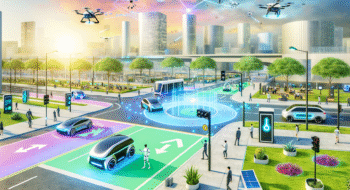
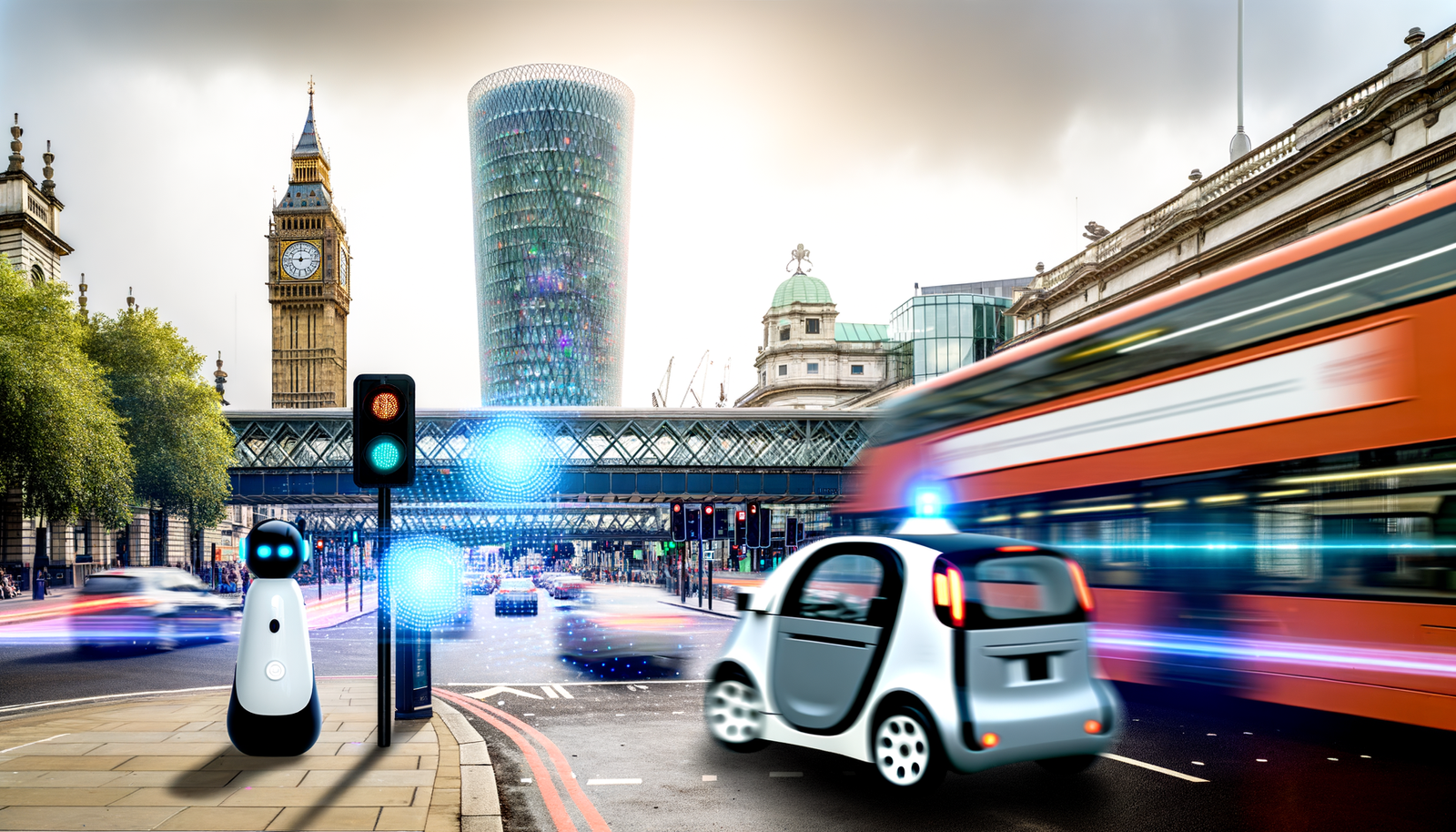
Imagine gliding through city streets, unencumbered by the usual bottlenecks of rush hour traffic. Sounds dreamy, right? Well, AI can turn this dream into reality! By employing real-time analytics and machine learning algorithms, AI systems analyze traffic patterns and make instantaneous adjustments to traffic lights and signals. This means smoother flow and reduced waiting times at intersections—essentially reducing the time spent simply sitting in your car, fuming at the world around you.
Moreover, AI doesn’t just stop at managing traffic lights. It can use data collected from numerous sources, including GPS data from cars, to predict congestion before it even occurs. That’s right—AI can help us avoid those frustrating traffic jams that seem to pop up out of nowhere. This predictive modeling is pivotal in creating safer traveling conditions and reducing the likelihood of accidents, which can often be exacerbated by rush hour frustrations.
Transforming Public Transport Experiences
While many of us might dread the thought of hopping on a packed train during peak hours, the use of AI could soon transform our public transportation experience into something far more pleasant. From smarter ticketing systems to personalized travel experiences, AI technology is revolutionizing how we utilize rail networks in the UK.
- Smart Ticketing: Imagine a world where you no longer have to fumble for coins or search for your bank cards. AI will streamline the ticket-buying process by introducing advanced mobile apps that allow you to plan your journey in real-time, showing the shortest routes and even offering personalized recommendations.
- Optimized Schedules: AI can help transport authorities analyze passenger flow data to fine-tune train schedules. Instead of 9-to-5 reliance on a rigid timetable, the system can adapt its schedule based on actual demand—ensuring no one gets left behind on a busy platform and that trains are running when you need them most.
The Role of AI in Maintenance and Safety
AI is also reshaping the behind-the-scenes operations of rail and road networks, ensuring the systems remain safe and reliable. Predictive maintenance is the name of the game here. With the right AI tools, engineers can analyze vast amounts of data coming from sensors embedded in vehicles and infrastructure. It’s like giving our transport systems a health check-up while they’re still in motion!
By predicting equipment failure before it occurs, AI can minimize downtime and avoid service disruptions that lead to travel chaos. It’s smart technology at work, allowing road and rail authorities to replace parts and conduct maintenance proactively—saving not only time but potentially countless lives by preventing accidents caused by mechanical failures.
Sustainability: The Green Transition in Transportation
As the world becomes increasingly aware of climate change and environmental impact, AI proves to be a vital tool in making Britain’s transport network more sustainable. By optimizing energy consumption in vehicles and encouraging the use of electric public transport, AI helps reduce the carbon footprint of our travel systems.
- Electric Vehicles: AI can play an integral role in managing fleets of electric buses and taxis, ensuring they’re charged effectively and dispatched when and where they’re most needed. This contributes to reducing overall emissions and fostering a cleaner environment.
- Smart Routing: Thanks to AI’s ability to process and analyze data, cities can implement smart routing for delivery vehicles and ride-sharing services. These measures lead to fewer congested streets and lower fossil fuel consumption.
AI and the User Experience
At the heart of any beneficial change in transport is the user experience. AI is determined to ensure travelers enjoy not only safe passage but also smooth and enriching travel experiences. We all know the pain points: delays, overcrowded vehicles, lack of communication. But fear not—AI is here to rescue us!
Imagine getting real-time updates on your mobile device during your commute, letting you know exactly where your bus or train is at any given moment. With AI, the days of waiting in the cold for that elusive bus are coming to an end. Additionally, voice-activated assistants can begin to guide you through your journey, providing information and assistance tailored specifically for you. This ensures that your travels are not just about getting from A to B, but rather evolving into an enriched journey filled with seamless communication and guidance.
Obstacles and Challenges Ahead
While the future looks dazzling for AI in Britain’s transport network, it certainly isn’t without its challenges. Implementing such advanced technologies requires substantial investment, not just in systems but also in training personnel to use them effectively. Additionally, data privacy and security are pressing concerns that must be addressed before widespread adoption. After all, with great power comes great responsibility!”
As we welcome AI on this transformative journey, it’s vital that policymakers, businesses, and the public come together to create a framework governing its use in transportation. Transparency is key to fostering trust and ensuring a streamlined transition.
The Road Ahead: What to Expect
The journey into AI-powered transportation is just beginning, and it’s set to change the landscape of travel across the UK forever. Harnessing its potential means embracing significant improvements across various sectors:
- Improved Safety: Less congestion and optimized flow lead directly to fewer accidents and safer travels.
- Enhanced Accessibility: AI can create more inclusive transportation options, catering to diverse needs and ensuring everyone can travel comfortably.
- Greater Efficiency: Commuters will enjoy reduced travel times, while businesses will benefit from timely deliveries, boosting economic growth.
- Environmental Benefits: A commitment to cleaner and green transport systems leads to healthier urban centers and an eco-friendly future.
Conclusion
The advent of AI in Britain’s transport infrastructure is not just a futuristic vision; it’s an evolving reality that promises to revolutionize the way we travel. With enhanced safety, smarter systems, and greater efficiency on the horizon, the prospect of improved travel experiences is incredibly exciting. The only question left is how quickly we embrace this technology and ride the wave of change.
To stay updated on the latest advancements in AI technology and its applications in various industries, feel free to explore Neyrotex.com. Buckle up, as the revolution in transport is just around the corner!