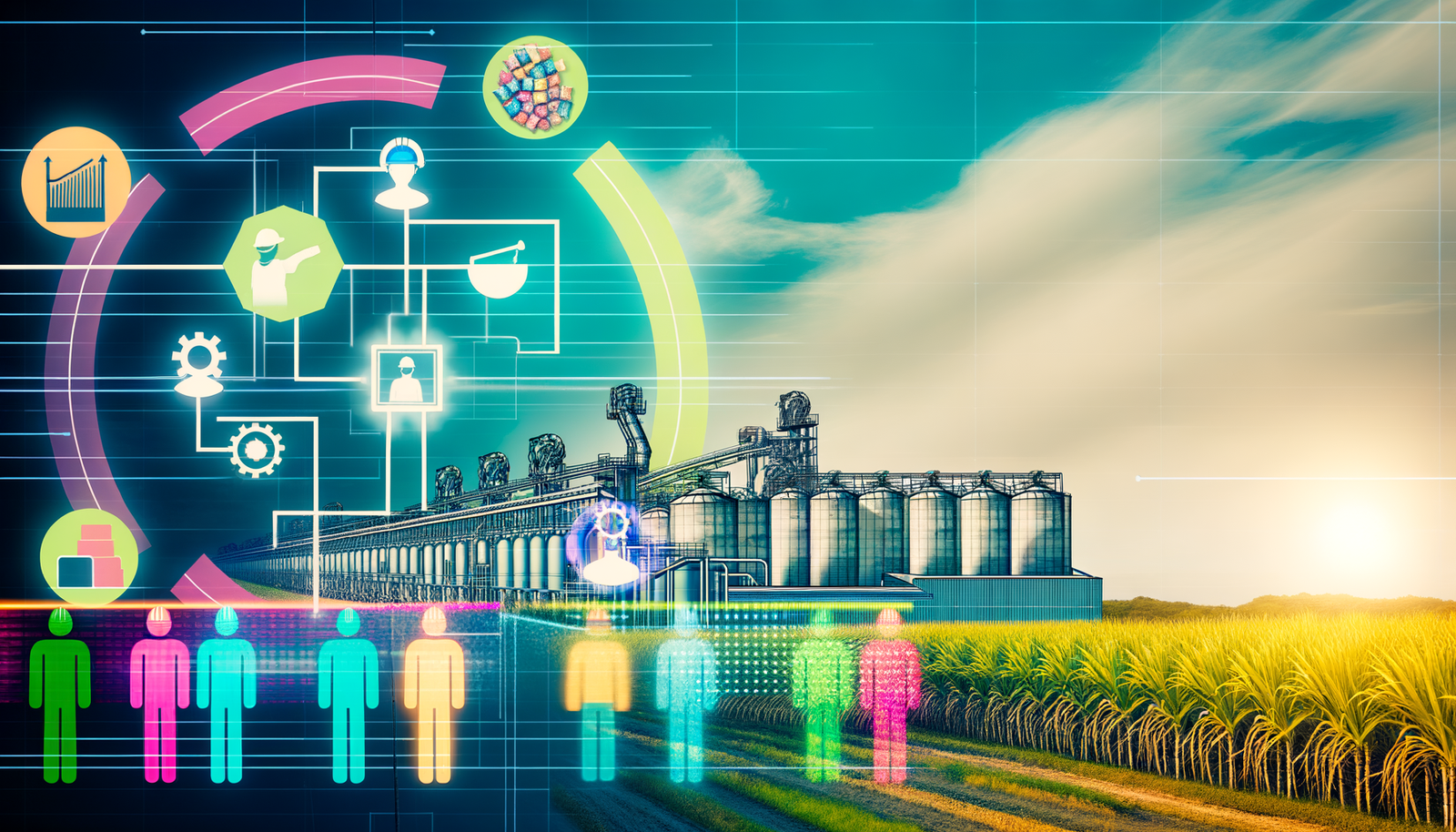
As the sugar industry gears up for the 2025-26 season, the spotlight is on innovation and technology to enhance efficiency. ChiniMandi spoke with Alok Saxena, Executive Director & Unit Head of the SPE Division, to explore how AI and tech adoption are revolutionizing the sugar landscape. With a keen focus on modern solutions, Saxena shares valuable insights on how these advancements are transforming production processes and addressing industry challenges. Join us as we delve into the future of sugar production through the lens of technology and its potential to reshape the sector for years to come.
Revolutionizing the Sugar Industry: AI & Tech Adoption Insights
The sugar industry, often viewed as a traditional sector, stands on the brink of a remarkable transformation. Embracing innovations like artificial intelligence (AI) and emerging technologies, the sector is not just keeping pace with modern advancements but is also setting a high bar for efficiency and productivity. The integration of AI is set to provide invaluable solutions, redefining how sugar is produced, processed, and marketed. Let’s unravel how the adoption of these technologies is reshaping the sugar landscape and positioning it for a prosperous future.
The Rise of AI in the Sugar Sector
Imagine a mill where data is the currency that drives decision-making. AI’s ability to analyze massive datasets in real time can help sugar producers forecast yield outputs, manage resources, and even mitigate risks effectively. As Saxena puts it, “AI is not just a tool; it represents a fundamental shift in how we approach production. It’s about using smart insights to make the right decision at the right time.”
Gone are the days of purely gut-feeling management. With AI-powered analytics, sugar mills can optimize field operations, monitor soil conditions, forecast weather impacts, and plan harvest schedules based on predictive data models. This tech-driven approach enhances not only the quantity of sugar produced but also the quality.
Streamlining Supply Chains
In an industry where the supply chain complexities can be daunting, AI and advanced technologies are proving to be game-changers. With a more streamlined supply chain, sugar producers can minimize waste, reduce costs, and improve product delivery timelines.
- Data-Driven Procurement: AI algorithms can analyze historical purchase data and market trends to ensure that sugar manufacturers are procuring raw materials at the right time and the right price.
- Inventory Management: Real-time monitoring of inventory ensures that producers can meet market demands without overstocking, thereby reducing waste and storage costs.
- Enhanced Demand Forecasting: With better prediction models, producers can align sugar production with actual market demands, making for a far more efficient operation.
Improving Production Efficiency
AI is enabling sugar mill operators to enhance production efficiency by integrating smart automation systems that monitor and control each stage of the production process. From refining the extraction of sugar from cane to optimizing crystallization and filtration processes, every step can be calibrated for maximal efficiency. This level of precision not only boosts production but also limits energy consumption.
- Automation: Automated systems control machinery, reducing the chances of human error while optimizing the manufacturing process.
- Predictive Maintenance: AI can anticipate equipment failures before they happen through constant monitoring, thus reducing downtime and maintenance costs.
- Quality Control: Machine learning algorithms assess product quality at various stages, ensuring that only the best-quality sugar makes it to market.
Addressing Environmental Impacts
As discussed by Saxena, the sugar industry faces escalating scrutiny regarding its environmental footprint. AI and other emerging technologies provide the tools needed for more sustainable practices. From precision agriculture techniques that minimize water and fertilizer usage to more efficient energy consumption in production, technology offers pathways to reduce the ecological impact of sugar manufacturing.
By leveraging technologies such as drones and IoT (Internet of Things) devices, farmers can monitor crop health and growth in real time, leading to more informed resource management decisions. The objective? To produce sugar not just efficiently, but sustainably.
Enhancing Consumer Engagement Through Tech
Today’s consumers are more informed than ever before, and their purchasing decisions are often influenced by transparency. The integration of AI within the sugar supply chain allows for greater traceability of products—from field to fork. This tech adoption not only builds consumer trust but also satisfies the increasing demand for transparency in food sourcing.
- Transparency: Consumers can access detailed information about the supply chain, improving customer satisfaction and loyalty.
- Personalized Marketing: AI helps refine marketing practices, targeting consumers with personalized advertisements based on their preferences and behaviors.
Future Outlook: A Sugar Industry Transformed
The trajectory toward a more technologically integrated sugar industry is clear. As Saxena notes, “The sugar industry must not just adapt; it must thrive in this digital age.” The continuous influx of innovations offers unprecedented opportunities to boost productivity, reduce costs, and foster sustainability.
AI and emerging technologies, when effectively adopted, can help unify the various facets of the sugar production process. From environmental management to human resources, integrated systems revolutionize traditional workflows, pushing the sugar industry toward new heights of performance.
Challenges Ahead: Navigating the Transition
While the potential is vast, the transition to a tech-centric sugar industry is not without its challenges. Issues such as initial setup costs, requisite training for workers, and resistance to change may hinder progress. However, Saxena urges stakeholders to view these challenges as investment opportunities in the industry’s future rather than stumbling blocks. “The key to success lies in education, training, and the willingness to adapt.”
As we approach the 2025-26 season, the optimism surrounding the integration of AI and other advanced technologies in the sugar industry has never been more palpable. The commitment to transforming production practices indicates that the sweet future of this sector is firmly rooted in innovation and strategic foresight.
Conclusion: Sweetening the Future
The sugar industry stands at a pivotal moment, with the adoption of AI and other technologies promising not just to improve efficiencies, but also to reshape the industry as a whole. As Alok Saxena articulately emphasizes, embracing these advancements can ensure that sugar production is not only more efficient but also more sustainable, transparent, and appealing to today’s discerning consumers.
In the end, it’s not just about meeting the demands of the market but about reshaping the narrative around how sugar is produced, consumed, and perceived. With the right mix of technology and vision, the future of sugar production is sweeter than ever!
For those interested in further information, exploring the transformative power of technology can lead to concrete changes in your business practices. To learn more, visit Neyrotex.com.