The Global Artificial Intelligence (AI) Robots Market is on a remarkable trajectory, reaching USD 7.1 billion in 2022 and expected to soar to USD 38.2 billion by 2031, growing at a staggering CAGR of 37.6% during this period. This surge in market size underscores the transformative role AI robots play in various sectors, effectively revolutionizing the future. As we delve into the future of technology in 2026 and beyond, it’s clear that AI robots will not only redefine operational efficiencies but also enhance human capabilities, paving the way for a new era of innovation and growth in the technological landscape.
The AI Robots Boom: What’s Driving Growth?
The meteoric rise of the AI robots market can be attributed to a variety of factors that converge into a perfect storm of technological advancement. Innovation in machine learning, coupled with expansive opportunities in automation, drives businesses to increasingly adopt AI robots across industries. The integration of AI in robotics is akin to adding a turbocharger to an already powerful engine—boosting efficacy and precision dramatically.
- Increased Operational Efficiency: Businesses are leveraging AI robots to streamline their operations, minimizing human error and maximizing productivity.
- Cost Reduction: Automation through AI robots can significantly cut labor costs while boosting output.
- Enhanced Safety: In hazardous environments, AI robots reduce risk and keep humans out of harm’s way.
- Innovation in Technology: The constant improvement in machine learning algorithms enhances the functionalities and applications of AI robots.
A Glimpse into the Applications of AI Robots
As we stand on the precipice of 2026, the applications of AI robots abound, ranging from manufacturing industries to retail shopping experiences:
- Manufacturing: AI robots are revolutionizing assembly lines with their ability to perform repetitive tasks more quickly and accurately than their human counterparts.
- Healthcare: Robotic surgical assistants provide unprecedented precision during surgeries, and AI-powered robots assist in patient care, offering companionship and monitoring.
- Service Sector: AI robots are making waves in hospitality, greeting guests, taking orders, and providing information—improving service delivery.
- Agriculture: Autonomous farming robots are being utilized for planting, watering, and harvesting crops, leading to increased food production.
- Logistics: Companies are employing AI robots for inventory management and delivery, optimizing supply chain processes significantly.
Challenges on the Horizon
However, not all that glitters is gold in the AI robots market. With opportunity comes challenges that must be navigated to fully realize the potential of AI technology.
- Ethical Concerns: As AI robots gain more capabilities, discussions surrounding ethical implications, including decision-making processes and bias, become paramount.
- Job Displacement: With automation on the rise, there is a valid concern that humans may be replaced in many job functions, striking fear in the hearts of the workforce.
- Regulatory Hurdles: Governments must keep pace with the rapid developments in technology by establishing regulations that ensure safety and security in AI applications.
AI Robots in Everyday Life
While industrial applications often dominate the discussion, it’s fascinating to see how AI robots are creeping into our everyday lives. Expect interaction with AI in ways that enhance comfort and convenience:
- Smart Home Devices: Robots such as Roomba vacuum cleaners are common in homes, providing cleaning assistance while we potentiate our living spaces.
- Personal Assistants: Virtual assistants powered by AI, like Google Assistant and Amazon’s Alexa, facilitate our daily tasks, making life a notch easier.
- Healthcare Monitors: Wearable AI devices monitor vital signs, ensuring individuals maintain their health proactively.
The Future: AI Robots Shaping Industries
As we cautiously approach the year 2026, it’s essential to consider how AI robots will continue to shape various sectors. From fear to fascination, businesses worldwide are exploring the uncharted territory of AI and robotics:
- Retail Revolution: The retail sector is poised for transformation—AI robots can analyze shopper data to personalize experiences, offering suggestions tailored to individual tastes.
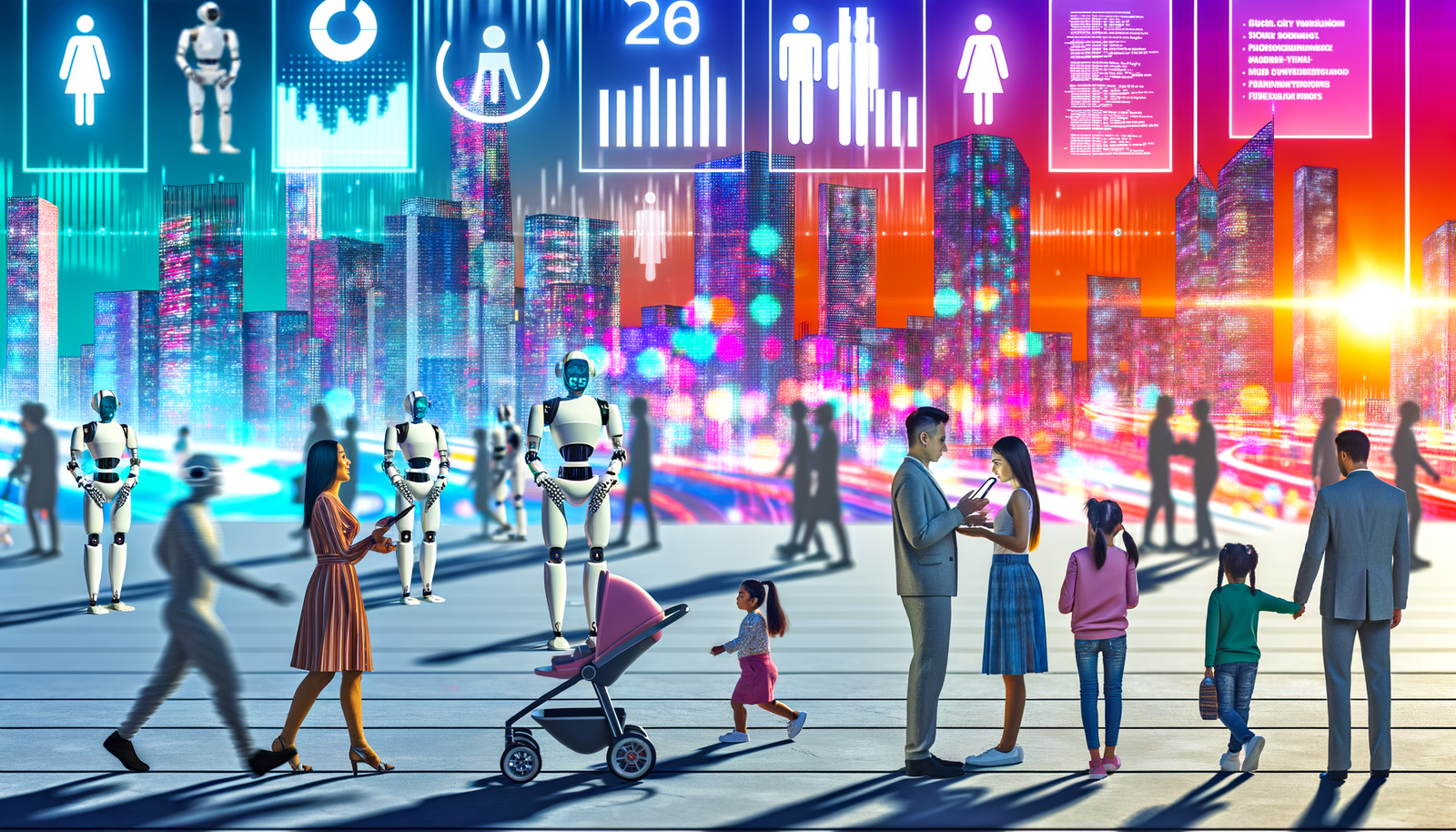
- Smart Cities: Imagine a fully integrated urban landscape with traffic management, public transport, and emergency services powered by AI robots to make real-time decisions.
- Construction: Robots with AI capabilities will be leading construction projects, pushing the boundaries of architectural design and execution.
- Education: AI robots might soon be teachers or tutors, using analytics to tailor education paths that adapt based on student performance.
Conclusion: Embracing a New Era
The future of AI robotics is an exhilarating frontier, filled with possibilities. Whether you’re a tech enthusiast, a business owner, or someone simply curious about what’s coming next, it’s undeniable that AI robots are on the cusp of revolutionizing our very existence. As investments grow and innovations continue to unfold, preparing for this brave new world is not just wise; it’s essential. Organizations must adapt or risk falling behind in the quickly evolving technological race.
As we stand on the threshold of 2026, the integration of AI robots will not be just a trend, but a profound shift that redefines what we know about work, society, and interaction with technology. This is a moment in history ripe with opportunity, innovation, and transformation. So, embrace it, and let’s shape our future with AI robots! For more insights on how AI technologies are influencing our world, visit Neyrotex.com.