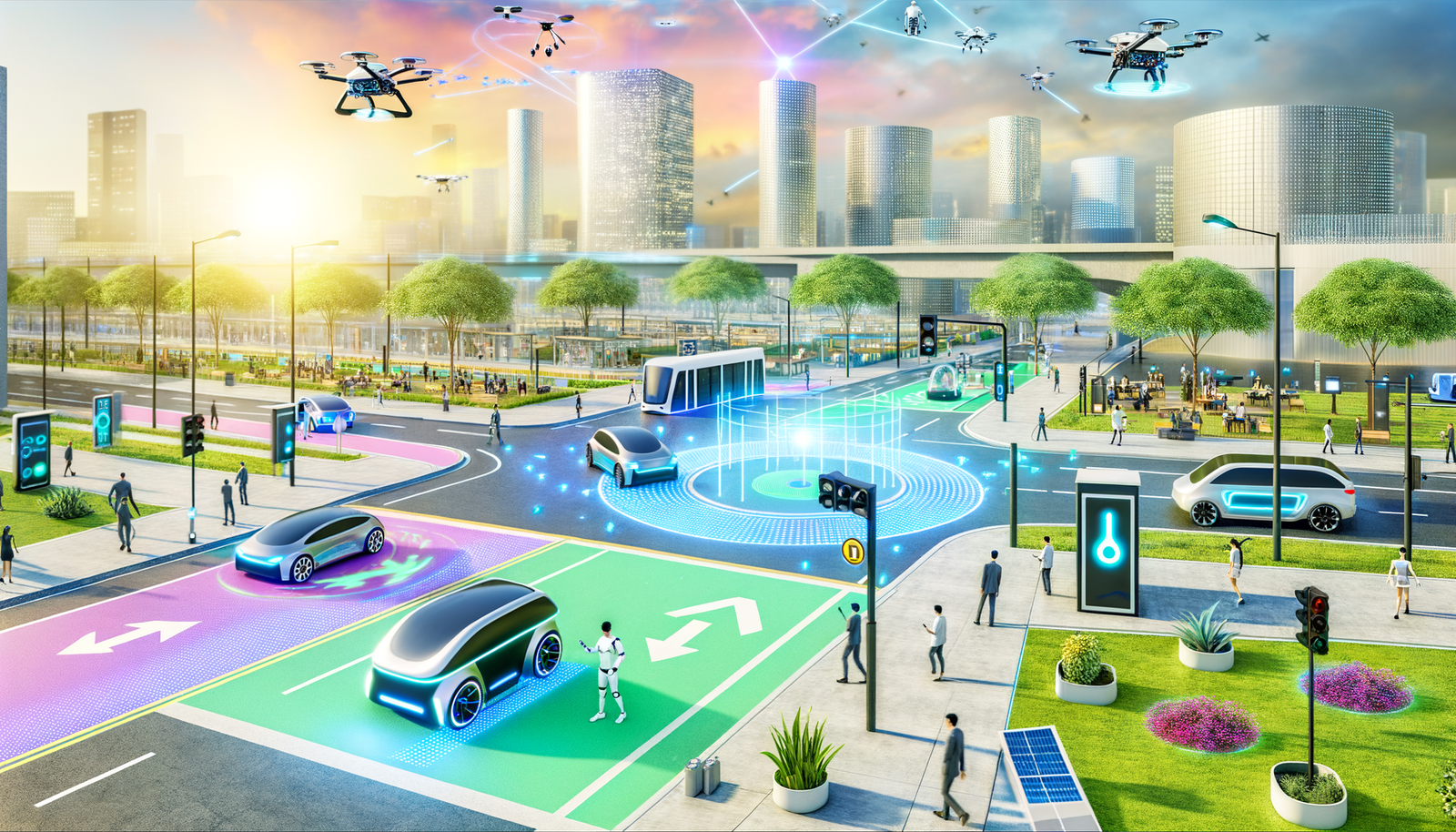
The automotive industry is on the brink of a technological revolution, thanks to a wealth of data available on roads, vehicles, and environmental factors. This rapid innovation is driving exciting advancements in two key areas: freight transportation and personal mobility. Revolutionizing Roads: AI-Powered Robotaxis & Freight Futures highlight how artificial intelligence is reshaping these sectors. With autonomous cars taking to the streets, the potential for efficient, robotaxi services and streamlined freight logistics is becoming a reality, transforming not just the way we travel but also the efficiency of transport systems globally.
AI-Powered Robotaxis: The Future of Personal Mobility
The dream of hopping into a self-driving taxi is on the cusp of becoming an everyday reality, as AI-powered robotaxis are set to revolutionize personal mobility. Imagine a world where you can summon a car with just a tap on your smartphone, and within minutes, it’s at your doorstep—no driver required! This is not mere fantasy; it is a vision anchored in today’s reality, whereby artificial intelligence is turning our urban cities into playgrounds for autonomous vehicles.
How Autonomous Vehicles Are Evolving
Autonomous vehicles (AVs) are not just an idea bound to specific tech hubs. Companies like Waymo, Tesla, and others are relentlessly pushing the boundaries of what is possible. The technology behind these vehicles is incredibly sophisticated, employing a combination of sensors, computer vision, and machine learning algorithms to navigate our complex world.
Every day, these vehicles collect vast amounts of data that help them learn and evolve. With each journey, AVs refine their understanding of the road, drivers, pedestrians, and even cyclists. The result? They become increasingly reliable and safer with every mile they cover.
The Role of AI in Enhancing Ride-Sharing
Ride-sharing services have drastically changed the way we travel, but AI is poised to take this a notch higher. By predicting demand, such systems can optimize routes for real-time traffic conditions, leading to reduced wait times and enhanced user experience. Imagine getting a ride that is not only efficient but also cost-effective thanks to intelligent routing algorithms.
- Dynamic Pricing: AI analyzes many variables—time of day, local events, and even weather conditions—to set competitive prices for rides.
- Smart Fleet Management: With real-time data analytics, companies can track vehicle conditions, enabling proactive maintenance that enhances safety and efficiency.
- Personalization: AI systems can offer personalized recommendations based on your travel history—making the riding experience much more tailored to individual preferences.
Transforming Freight Logistics: The AI Advantage
While personal mobility is a significant focus of AI’s impact, it does not stop there. The freight industry is also being transformed, ushering in a new era of logistics efficiency and delivery speed. As companies strive for excellence in supply chain management, the role of AI in freight logistics cannot be understated.
Streamlining Supply Chains
The logistics landscape is becoming ever more complex, with demands for faster delivery times and lower costs. AI-powered systems can analyze vast datasets to optimize routes, predict delivery windows, and manage inventory levels with unparalleled precision. This shift allows logistics companies to deliver goods more promptly and at a lower operational cost, which can ultimately lead to savings for consumers as well.
The Emergence of Autonomous Delivery Vehicles
Autonomous delivery vehicles (ADVs) are set to take over the lonely world of goods transportation. These vehicles are designed to handle everything from food delivery to freight hauling without the need for human operators. Companies are investing heavily in this technology to not only meet consumer expectations but also to keep pace with competitivity in the e-commerce sector.
- Enhanced Efficiency: ADVs can operate round-the-clock, eliminating downtime associated with human drivers.
- Cost Savings: By removing the cost of labor, businesses can enjoy significantly lower operational expenses.
- Reduced Traffic Congestion: By optimizing delivery routes using AI, cities may see a reduction in traffic congestion from delivery vehicles.
Challenges on the Road to the Future
While the prospects for AI-powered robotaxis and freight logistics look promising, challenges lie ahead. From regulatory hurdles to public acceptance, the road to widespread adoption is anything but smooth.
One significant barrier is the regulatory landscape. Governments worldwide are still formulating standards and safety regulations for autonomous vehicles. The legal framework governing self-driving cars must catch up to the pace of technology.
Public perception is also a matter of concern. As intriguing as AI and robotics are, significant sections of the population are still skeptical of relinquishing control to machines. Addressing these fears through transparent communication and safety demonstrations will be crucial in fostering trust in autonomous technology.
Economic Impacts: Job Displacement and New Opportunities
The rise of AI-powered robotaxis and autonomous freight vehicles will inevitably cause shifts in the job market. While there is genuine concern about job displacement in driving-related occupations, it is essential to recognize the new opportunities that come with technological advancements.
- Up-Skilling: As the industry evolves, workers will need new skills to operate, maintain, and improve these sophisticated vehicles.
- New Job Creation: The demand for AI specialists, data analysts, and technicians in the realm of autonomous vehicles will significantly increase.
- Entrepreneurial Opportunities: A wave of innovative businesses could emerge in sectors surrounding autonomous vehicles and smart logistics.
The Road Ahead: A Bright Future Awaits
The future appears bright for AI-powered robotaxis and freight logstics. A transition to autonomous vehicles can lead to safer roads, reduced congestion, and a more efficient transportation system worldwide. As urban spaces evolve to accommodate these fleet vehicles, cities will become smarter with enhanced public safety measures and reduced carbon footprints.
There is something undeniably thrilling about the prospect of seamless travel. Envision cities where transportation becomes an intelligent service, efficiently coordinated by technology to reduce waste and enhance user satisfaction. These advancements may even create the picturesque landscape of smart cities, blending sustainability with commerce.
As we stand on the brink of this revolution, it’s essential to embrace the changes ahead while ensuring that society adapts equitably. The automotive industry is undoubtedly entering an extraordinary phase, and with innovation at the fore, we can orchestrate a future that is not only efficient but also harmonious with the environment.
In conclusion, AI has the potential to reshape our mobility landscape entirely, altering how we think about transportation in ways we’re just beginning to grasp. With ongoing developments and technological iterations, the dream of AI-powered robotaxis and efficient freight logistics is fast approaching a new age. Buckle up; the road ahead is revolutionary!
For more insights into the latest advancements in AI technology, visit Neyrotex.com.