In today’s rapidly evolving job market, the integration of technology into recruitment processes is transforming the landscape. Our focus today is on the intriguing question: “Revolutionizing Recruitment: Can AI Agents Outsmart New Hires?” As organizations seek to streamline their hiring methods, AI agents are stepping in to enhance efficiency and effectiveness. This video explores the capabilities of AI in identifying top talent and whether these intelligent systems can truly outperform traditional hiring methods. Join us as we dive into the potential of AI agents in reshaping the future of recruitment.
Recruitment: A Traditional Perspective
For decades, recruitment has relied heavily on human intuition, experience, and sometimes even a gut feeling. Team leaders would sift through stacks of resumes, conduct endless interviews, and engage in lengthy deliberations to identify the perfect candidate. This process, while effective to a certain extent, is also notoriously slow and fraught with bias. In fact, countless studies have demonstrated that humans are prone to misjudgments, influenced by unconscious biases, and often overlook promising candidates due to subjective perceptions.
The Emergence of AI in Recruitment
Enter AI agents—a development that has made waves across industries, including recruitment. Companies are increasingly leveraging artificial intelligence to sift through resumes, analyze algorithms, and ultimately make hiring decisions based on data rather than instinct. But just how much can these AI systems outsmart human intuition?
AI recruitment tools have the ability to process vast amounts of data in the blink of an eye. They can recognize patterns, evaluate key qualifications, and even gauge a candidate’s fit with company culture based on previous hiring successes. What’s more, AI can eliminate bias by standardizing evaluations—an exciting prospect in a field that has often struggled with creating equitable hiring practices.
Efficiency at Unprecedented Levels
Imagine the efficiency benefits: with AI, organizations could compress the time spent on the hiring cycle, freeing up valuable resources and allowing HR professionals to focus on strategy rather than administrative tasks. By automating the initial screening of applicants, AI can shortlist candidates much quicker than human recruiters ever could. Thus, the burning question remains: can AI agents truly outsmart new hires?
Analyzing Candidate Data with Precision
AI agents can analyze data from a variety of sources, including social media profiles, past employment history, and even the nuances of professional interactions. By integrating a range of established metrics, these systems can predict a candidate’s potential performance, not only in terms of skill sets but also in their adaptability and long-term contributions to the organization.
- Performance Prediction: AI can leverage historical data from successful and failing employees to determine the traits associated with high performance.
- Fast-Track Skills Assessment: Using advanced algorithms, AI can evaluate resumes and rank skills based on relevance, thus allowing for quicker assessments.
- Continuous Learning: AI’s ability to learn from ongoing hiring outcomes means its predictions will improve over time, becoming increasingly accurate with every recruitment cycle.
Understanding Human Dynamics
However, as impressive as the technology may be, it isn’t without limitations. Recruitment isn’t just about numbers; it’s also about understanding human dynamics. New hires often bring creativity, emotional intelligence, and interpersonal skills that AI currently struggles to assess fully.
When Human Insight Matters
This speaks to the idea that while AI can revolutionize recruitment, it doesn’t necessarily replace the human touch. Emotional intelligence, for instance, is vital for teamwork and collaboration but remains a challenge for AI to evaluate. Interviews allow recruiters to observe not just answers but personalities, instincts, and even cultural fit—elements that are difficult to quantify but essential for a cohesive workplace.
- Building Relationships: Face-to-face interactions build rapport and trust—something that no algorithm can replicate.
- Behavioral Insights: Human recruiters can read between the lines, noticing body language and tone that AI software may misinterpret.
The Future of Recruitment: Hybrid Models
So, where does that leave us? The most promising recruitment strategies may lie in a hybrid approach, combining the efficiency of AI with the emotional intelligence of human recruiters. Organizations could use AI to narrow the candidate pool, leveraging technology’s strengths while retaining the human perspective for final evaluations.
Illustrating the Hybrid Approach
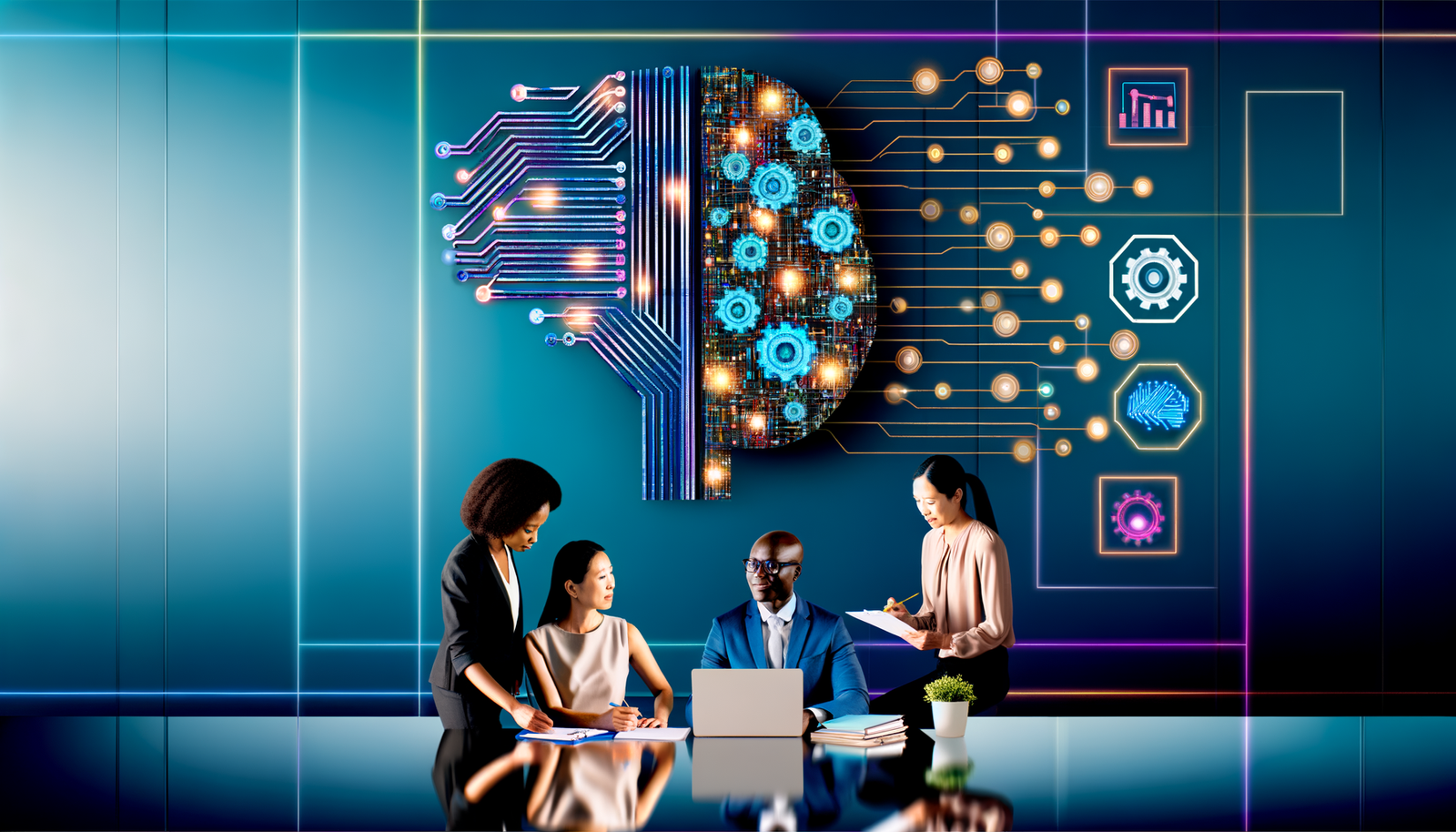
Imagine a recruitment model where AI agents analyze resumes and screen candidates based on hard skills, while human recruiters conduct interviews and assess cultural fit. Companies can equip their hiring managers with tailored insights generated by AI—data that informs rather than dictates the decision-making process.
This collaboration can lead to better hiring decisions, reduced bias, and an overall more efficient recruitment process. Organizations can target an optimal hire that not only meets the technical requirements but also resonates with the organization’s values and culture.
The Role of Continuous Improvement
As AI in recruitment continues to evolve, it’s essential for organizations to maintain an element of continuous improvement. Gathering feedback from both successful and unsuccessful hires can refine the algorithms and ensure that AI agents adapt to changing market conditions and employee expectations. The data also serves as a feedback loop that equips companies to make better decisions the next time around.
Critiques of AI in Recruitment
Of course, the rise of AI in recruitment is not without skepticism. Some argue that over-reliance on data-driven models can reinforce existing biases if the data itself is flawed. AI systems are only as good as the data fed into them, and if historical hiring practices lean towards certain backgrounds, those biases might propagate through the AI tools.
- Potential Bias Reinforcement: If past hiring practices have incorporated bias, AI tools trained on this data may yield the same prejudices.
- Overemphasis on Fit: There’s a risk of hiring for “cultural fit” to the point of exclusion, ignoring diversity that adds value.
Strategies for Ethical AI Integration
For organizations looking to integrate AI while mitigating these downsides, transparency is key. Implementing clear guidelines around data processing and regularly auditing AI decisions can ensure fairness. Additionally, fostering a diverse hiring team to oversee AI-generated data can help counteract biases while maintaining innovation.
Ethical Considerations
As companies venture into the future of hiring with AI agents, considering the ethical implications should be at the forefront of discussions. Building AI responsibly means safeguarding against discrimination and taking proactive steps to diversify the talent pool through technology rather than confining it.
Conclusion: Navigating the Future of Recruitment
The evolution of AI in recruitment signals a transformative shift towards a more data-driven approach. While the question lingers—can AI agents truly outsmart new hires?—the answer likely resides in recognizing the strengths of both AI and human insight.
As organizations navigate the ever-changing landscape, they have the opportunity to blend these perspectives for a robust and equitable recruitment strategy. It’s not about replacing the human recruiter but enriching the process with technology to discover talent that fits not just the job description but the company culture as well. While AI agents may help streamline operations and enhance data-driven decision-making, the heart of recruitment remains an art—one nurtured by human connection and understanding.
As we stand on the brink of a new hiring era, the question is no longer whether AI can outsmart new hires, but rather how we can leverage its capabilities to revolutionize recruitment for everyone involved.
For more insights into AI and recruitment, feel free to explore Neyrotex.com.