In an era where technology meets agriculture, InsightAce Analytic Pvt Ltd unveils a groundbreaking market assessment report on the Global Artificial Intelligence in Livestock Farming Market. This report dives deep into revolutionary advancements, focusing on “Revolutionizing Livestock Farming: Real-Time AI Behavior Insights.” The integration of components such as solution software, IoT sensors, and essential services is transforming livestock management. Applications like real-time behavior monitoring and healthcare disease tracking are set to enhance farming productivity and animal welfare. Join us in exploring how AI is reshaping the future of livestock farming.
Unlocking the Power of AI in Livestock Farming
The livestock farming industry is witnessing a seismic shift thanks to cutting-edge applications of artificial intelligence (AI). Gone are the days when farmers relied solely on intuition and manual processes. Today, the marriage of AI and livestock farming is ushering in a new era marked by precision, efficiency, and enhanced animal welfare. So, how exactly is AI revolutionizing livestock farming, and what does it mean for the future of this age-old industry? Buckle up, because we’re about to dive into the fascinating world of real-time AI behavior insights!
Real-Time Behavior Insights: A Game Changer
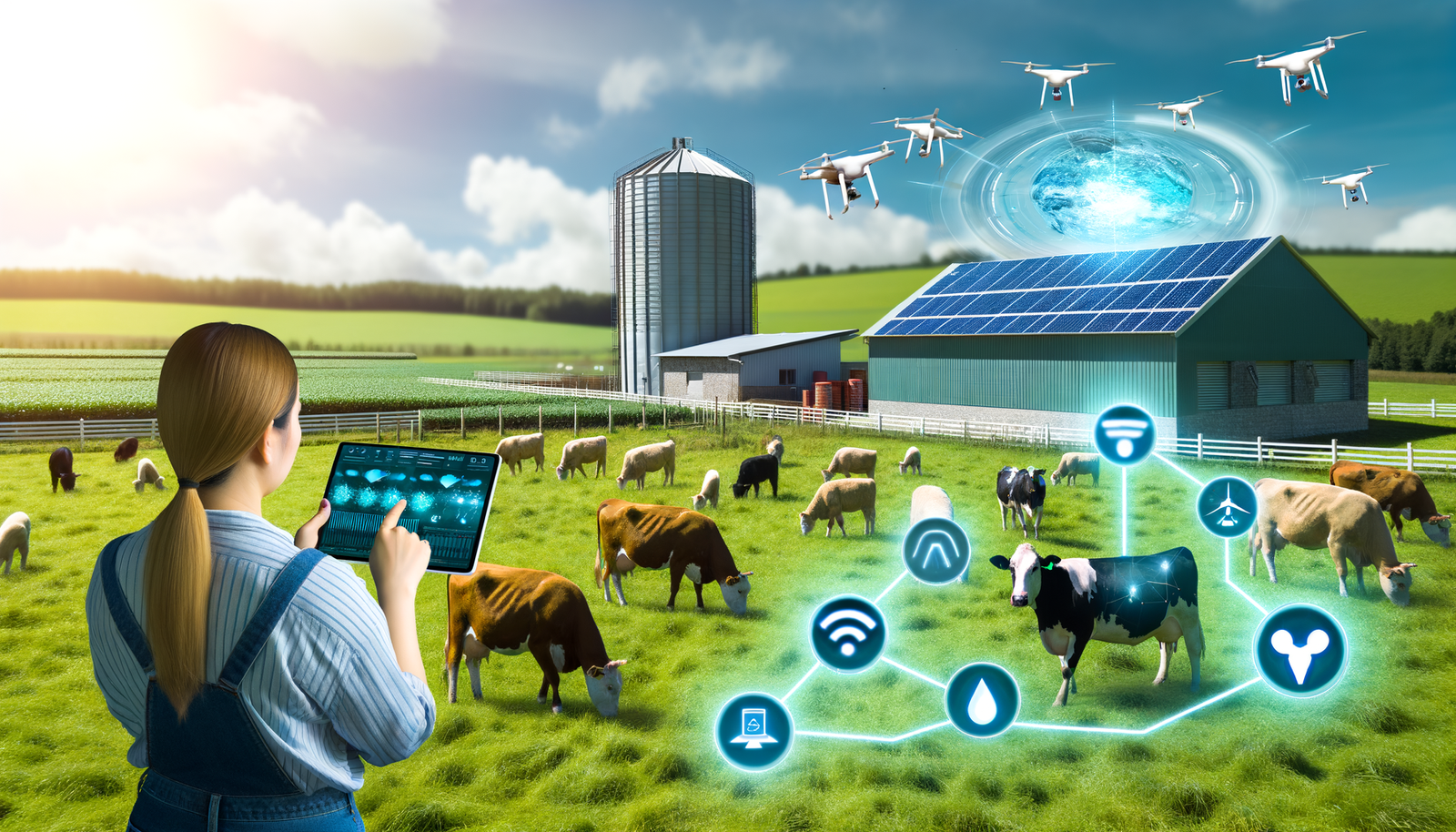
At the heart of this transformation lies real-time behavior insights. Imagine being able to monitor the activities of cattle or poultry at any given moment, regardless of where you are. By utilizing advanced technologies such as IoT sensors and AI-driven analytics, farmers gain unprecedented access to behavioral data. This allows them to track everything from feeding patterns to social interactions within a herd. The implications are massive—think improved health outcomes, enhanced productivity, and ultimately, a healthier bottom line.
- Behavioral Monitoring: Continuous tracking of livestock behavior helps identify abnormal behaviors early, paving the way for proactive measures.
- Feeding Optimization: Real-time analysis allows adjustments in feeding schedules to maximize nutrition intake.
- Social Interactions: Understanding group dynamics among animals aids in reducing stress and improving welfare.
The Integration of IoT and AI Technology
As we explore the integration of IoT and AI technologies within livestock farming, it becomes clear that the synergy between these tools is nothing short of revolutionary. IoT sensors placed strategically in barns or fields collect a wealth of information—temperature, humidity, and even the movement of individual animals. This data is then fed into AI algorithms, allowing farmers to analyze and respond to conditions and behaviors in real-time.
Take bioinformatics as an example. By analyzing genetic data alongside behavioral patterns, farmers can optimize breeding practices, leading to healthier livestock with traits desired for productivity and resilience. Moreover, the data collected over time helps farmers make data-driven decisions that significantly enhance farm operations.
Boosting Animal Welfare Through AI
One of the most significant advancements in the realm of animal husbandry is the enhancement of animal welfare. With AI-driven applications, farmers are armed with the capability to observe stress levels, health indicators, and living conditions of their livestock at a level that was once unimaginable.
- Health Monitoring: Continuous data collection allows for real-time health tracking, enabling early diagnosis of diseases.
- Stress Reduction: Understanding animal behavior assists in creating environments that alleviate stress and foster natural behaviors.
- Better Living Conditions: Immediate insights on environmental factors help maintain optimal living conditions for livestock.
Enhancing Productivity and Efficiency
In a world where the demand for meat and dairy products is soaring, the need for enhanced productivity in livestock farming has never been more pressing. AI behavior insights serve as an invaluable tool, providing farmers with the ability to fine-tune their operations to optimize output.
Consider this: by leveraging predictive analytics, farmers can foresee potential challenges and mitigate them before they escalate. This could involve adjusting feed rations based on predictive models predicting growth patterns or identifying which animals are underperforming before it’s too late.
Education and Adoption: Bridging the Knowledge Gap
Despite the myriad benefits AI brings to livestock farming, education and adoption remain critical challenges. Many farmers are still grappling with technological irrigation, reluctant to pivot from traditional methods. Educating stakeholders on the importance of embracing this tech-driven approach is paramount to ushering in widespread adoption.
Training sessions, workshops, and collaboration with tech firms can help farmers familiarize themselves with AI tools and methodologies. These initiatives ultimately cement the value of investing in AI technology for long-term profitability and sustainability.
Market Trends and Projections
According to industry reports, the global artificial intelligence in livestock farming market is projected to surge dramatically by the next decade. Enhanced technology capabilities, combined with growing awareness of the importance of animal welfare, are driving this growth. With investments pouring in from agritech firms and startups focused on creating AI-driven solutions, the future looks bright for this sector.
Overcoming Challenges in Implementation
Of course, no revolution comes without its set of challenges. While the allure of AI technology in livestock farming is undeniable, several hurdles may impede its swift adoption:
- Cost of Implementation: The initial cost of integrating AI systems can be a significant barrier for many farmers.
- Data Privacy Concerns: As with any tech-focused industry, concerns about data security and privacy must be addressed.
- Resistance to Change: A strong reliance on traditional methods can create skepticism against new technologies.
A Glimpse into the Future
What does the future hold for livestock farming amid the rise of AI technology? With tools like real-time AI behavior insights gaining traction, it is poised to redefine the landscape. Imagine predictive models that not only enhance the health and productivity of livestock but could also contribute to sustainable farming practices that minimize environmental impact.
As more farmers recognize the advantages of smart agriculture, the prospect of a fully integrated, AI-driven livestock farming ecosystem may be closer than we think. This shift will not only benefit farmers by improving yields but will also ensure that animals are treated with the compassion and respect they deserve.
Conclusion: A New Dawn in Farming
As we emerge from the shadows of traditional farming methods, the spotlight shines brightly on the potential of artificial intelligence in livestock farming. Real-time AI behavior insights offer an exciting glimpse into what can be achieved—a new dawn for farmers, animals, and consumers alike. Making the leap into this brave new world will not only transform farming practices but will also elevate our relationship with animals, creating a more sustainable and efficient agricultural system.
With resources like the Neyrotex.com providing valuable information about AI technologies in livestock farming, the future looks bright, and the possibilities are limitless. It’s time to embrace AI and transform the way we think about livestock management.