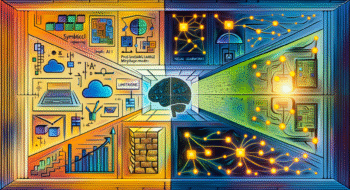
In today’s fast-paced technological world, the integration of artificial intelligence (AI) is transforming various fields, including education and data processing. For instance, AI is revolutionizing learning by empowering students to study seals more effectively, enhancing their understanding of marine biology in real-time. Similarly, in the realm of data analysis, processing drone data traditionally took hours, but now, AI tools can accomplish this task in mere seconds. This rapid capability not only saves time but also opens new avenues for research and exploration, underscoring the profound impact of AI across diverse domains.
Revolutionizing Learning: How AI Empowers Students to Study Seals
In recent years, marine biology has seen an innovative leap forward, thanks to artificial intelligence. Imagine students—eager to understand the majestic creatures of the sea—embarking on an educational journey enriched by AI technologies specifically designed to empower them. Students are not just absorbing facts but are engaged with interactive platforms where they can study seals as if they were right there onsite, captivating their imaginations and deepening their knowledge.
The Marvel of Seals: A Subject Worth Studying
Seals are remarkable animals that adorn our oceans with their playful nature and incredible adaptations. From the iconic harbor seal with its distinctive spotted coat to the massive elephant seal that can weigh over two tons, these creatures are a focal point of marine study. But to really grasp their behaviors, migration patterns, and environmental needs, students must have access to the best tools available. This is where AI steps in, reshaping how learning about seals occurs.
How AI is Enhancing Marine Biology Education
AI is not merely a tool; it is an enhancer of learning experiences that offers tailored content for students. Here’s how AI is revolutionizing learning about seals:
- Real-Time Data Analysis: AI helps analyze data collected from various sources such as underwater drones and telemetry. Students can access real-time insights about seal populations, behaviors, and environmental changes.
- Interactive Learning Platforms: Customized AI-based platforms allow students to engage with rich multimedia content, including videos, animations, and interactive quizzes about seals. These platforms anticipate a student’s learning style and adapt accordingly.
- Predictive Modeling: By using historical data, AI can predict future behaviors and trends in seal populations. This empowers students to understand not only the current state of marine life but also future implications, making them better environmental stewards.
The Role of Machine Learning in Studying Seals
At the heart of these advancements is machine learning, a subset of AI that helps computers learn from data and improve over time. For instance, researchers are employing machine learning algorithms to identify and track seals through photos taken at different locations. By analyzing large datasets, these algorithms can detect patterns regarding seal activity, breeding, and migratory routes.
This revolutionary approach also shifts the educational focus from rote memorization to analytical thinking. Students become explorers, capable of interpreting data, generating hypotheses, and drawing conclusions about marine ecosystems.
Facilitating Citizen Science
Another exciting aspect of AI in marine biology is its contribution to citizen science. Projects like SealSpotter harness the power of AI to involve enthusiasts and students in data collection and analysis to help monitor seal populations. By mobilizing volunteers to submit seal sightings, AI tools can sort through this influx of information, identify patterns, and feed that data back into the educational system.
Enhancing Engagement Through Gamified Learning
Engagement is pivotal to learning, and what better way to engage students than gamified educational experiences? AI is being incorporated into various learning applications, transforming complex topics surrounding marine biology into fun, interactive games. For example, students can navigate their own boat through ocean habitats, encountering seals and solving challenges to learn about their biology and conservation needs.
This game-based approach allows students to absorb information in a playful context while developing problem-solving and critical thinking skills. They learn to make decisions that affect the simulated environment and see the consequences of their actions, creating experiential learning moments that help cement their knowledge.
Real Stories of Impact
Numerous educational institutions have begun integrating AI into their marine biology curricula. For example, a marine institute in California introduced a program using AI to assist students in identifying various seal species based on photographic evidence collected from local beaches. Students quickly developed identification skills that previously took years to master.
Moreover, a collaborative project involving universities, AI developers, and wildlife organizations has demonstrated how AI can predict the breeding cycles of endangered seal species. Such findings do not just enhance academic knowledge but also inform conservation strategies that could protect these vital populations. The students involved in the project are not only learning about seals but also becoming advocates for their protection—an essential step in fostering future environmental guardians.
Challenges and Considerations
Despite the exciting prospects, the integration of AI in education isn’t without its challenges. Concerns around data privacy, the need for equitable access to technology, and the risk of over-reliance on technology must be addressed. Furthermore, educators need to be adequately trained to implement AI tools effectively to ensure they enhance—rather than replace—the student learning experience.
Future Horizons: What Lies Ahead
The future of AI in marine biology education holds incredible potential. As technology continues to evolve, we may see further innovations such as virtual reality (VR) experiences that would allow students to immerse themselves in a seal’s habitat, witnessing the underwater ecosystems first-hand without leaving the classroom.
Imagine donning a VR headset and diving into the sparkling blue ocean, surrounded by seals as they playfully swim below—a scenario that may not be far off! Integrating AI with emerging technologies could potentially make learning not only more accessible but also more thrilling than ever before.
Conclusion: The Importance of Staying Curious
In light of all these advancements, one thing is clear: the combination of AI and student engagement in marine biology is not merely a passing trend but a revolutionary change in education. It nurtures curiosity, fosters exploration, and encourages students to become active participants in learning and safeguarding the environments they study.
As we move further into this technological age, embracing AI-driven educational tools will be crucial in shaping engaged, informed, and proactive learners. The integration of AI into studying seals exemplifies how technology can be harnessed to enrich educational experiences and enhance understanding, paving the way for the next generation of marine biologists.
For more insights on how modern technologies like AI can reshape learning across fields, visit Neyrotex.com.