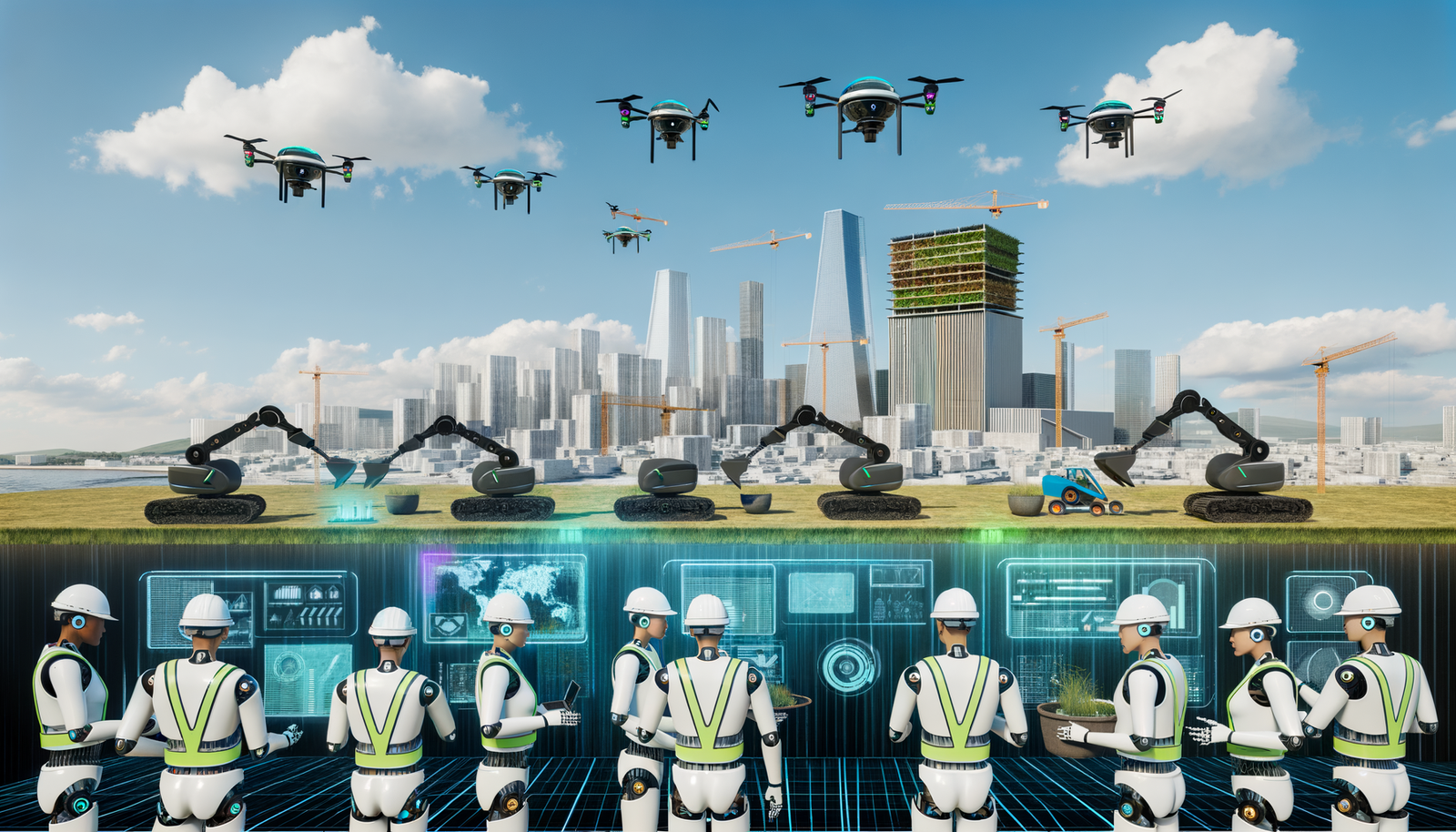
In today’s rapidly evolving world, the concept of “Revolutionizing Infrastructure: How AI Transforms Global Projects” has become a cornerstone in the construction and engineering sectors. Leading this transformative charge is Abideen Sobanke, a talented Nigerian civil engineer and digital delivery specialist at Mott MacDonald. His work focuses on developing AI-powered solutions that streamline processes, enhance project efficiency, and ultimately reshape the way we approach infrastructure development. As Sobanke harnesses the potential of artificial intelligence, he exemplifies how innovation can drive monumental changes in global engineering projects, paving the way for a more sustainable and efficient future.
The Gateway to Innovation
The infrastructure industry is no longer constrained by outdated methods or tedious processes. The introduction of artificial intelligence has been a catalyst for change, transforming how projects are envisioned, executed, and maintained. Imagine a world where machines possess the ability to analyze vast datasets, predict project outcomes, and optimize resource allocation. Welcome to the frontier of AI in infrastructure.
Understanding the Impact of AI on Infrastructure Projects
One might wonder, how exactly is AI transforming global projects? The answer lies in its multifaceted applications. From predictive analytics to automated project management, AI’s influence is evident across the board.
- Predictive Analytics: By leveraging AI algorithms, engineers can forecast potential bottlenecks and delays before they occur. This foresight enables teams to implement corrective measures proactively, minimizing interruptions and ensuring smoother project timelines.
- Resource Optimization: With AI tools capable of analyzing characteristics of both materials and tasks, project managers can allocate resources more efficiently. Whether it’s manpower, machinery, or materials, AI helps fine-tune usage to maximize returns on investment.
- Automated Reporting: Gone are the days of painstakingly compiling reports manually. AI can streamline the reporting process, automatically generating status updates based on real-time data, which enhances clarity and communication among stakeholders.
- Enhanced Safety Measures: By analyzing historical data and ongoing project conditions, AI can predict safety hazards and suggest interventions. This capacity significantly reduces risks and reinforces safety protocols on construction sites.
The Role of Collaboration in AI Integration
AI is not a magic wand, but rather a tool that thrives on collaboration across various sectors. Sobanke emphasizes the importance of cooperatively working alongside other professionals such as data scientists, software engineers, and construction managers. This teamwork creates an environment ripe for innovation, fostering the synergy needed to optimize infrastructure projects efficiently.
Real-World Examples of AI in Action
Today, we see a remarkable trend in numerous successful projects worldwide, highlighting what happens when innovative technology meets visionary engineering. For instance, in the Asia-Pacific region, a large metropolitan transport project benefited significantly from AI integration. Sophisticated algorithms were employed to analyze historical transit data and project future demand, leading to optimized scheduling and resource allocation.
Moreover, in Europe, AI-powered drones are facilitating the inspection of bridges and tunnels. With the ability to collect data quickly and accurately, these drones reduce inspection time while enhancing safety by providing detailed insights that would take human inspectors days or even weeks to gather.
Sustainability Meets AI in Infrastructure
As the world becomes increasingly aware of environmental issues, the integration of AI into infrastructure projects adds another layer of sustainability. Engineers can use AI to identify the most eco-friendly materials and methods, leading to reduced carbon footprints for construction projects. For instance, AI solutions can suggest alternatives to traditional materials by assessing their life cycle and environmental impact.
- Green Design: AI aids in designing buildings that are not only structurally sound but also environmentally friendly. From optimizing energy usage to identifying sustainable materials, AI plays a pivotal role in creating green infrastructure.
- Waste Reduction: Predictive analytics can streamline supply chains, minimizing waste generated during construction. By enhancing efficiency and promoting recycling measures, projects can become more sustainable.
The Future of AI in Infrastructure
The landscape of construction and infrastructure is only set to become more sophisticated. As Sobanke and other industry leaders delve deeper into the capabilities of AI, the potential applications will continue to emerge. One exciting prospect is the development of smart cities, where interconnected infrastructure projects collectively function through AI systems that maintain and optimize city dynamics.
In such scenarios, transportation, energy management, and waste disposal systems would work in harmony, contributing to a more resource-efficient urban environment. AI’s integration in smart city frameworks will redefine the interaction between infrastructure elements and enhance citizens’ quality of life.
Challenges Ahead
Despite the numerous benefits, the widespread adoption of AI in infrastructure projects is not without its challenges. There are concerns regarding data privacy and security, especially when proprietary project information and citizen data are involved. There’s also the need for significant investment in technology and training to equip civil engineers and project managers alike with the skills to effectively employ AI tools.
Conclusion: Embracing the Change
One might ponder whether the future of infrastructure would look any different without the contributions of artificial intelligence. As Sobanke illustrates, the answer is a resounding no. AI is not merely an accessory; it has emerged as a foundational pillar in the modern arena of infrastructure innovation. As we journey deeper into the era of AI, embracing these technologies will be fundamental for developing efficient, sustainable, and intelligent infrastructure projects.
The road ahead may be paved with challenges, but the promise of a future rich in potential is too compelling to ignore. Indeed, as we witness the melding of human ingenuity and machine intelligence, the possibilities are as boundless as the visionaries driving them—like Abideen Sobanke. So, let’s embrace this innovation and remember that with every new project, we are not just constructing buildings and bridges; we are building a better future.
For more insights into how technology can reshape our world, explore Neyrotex.com.