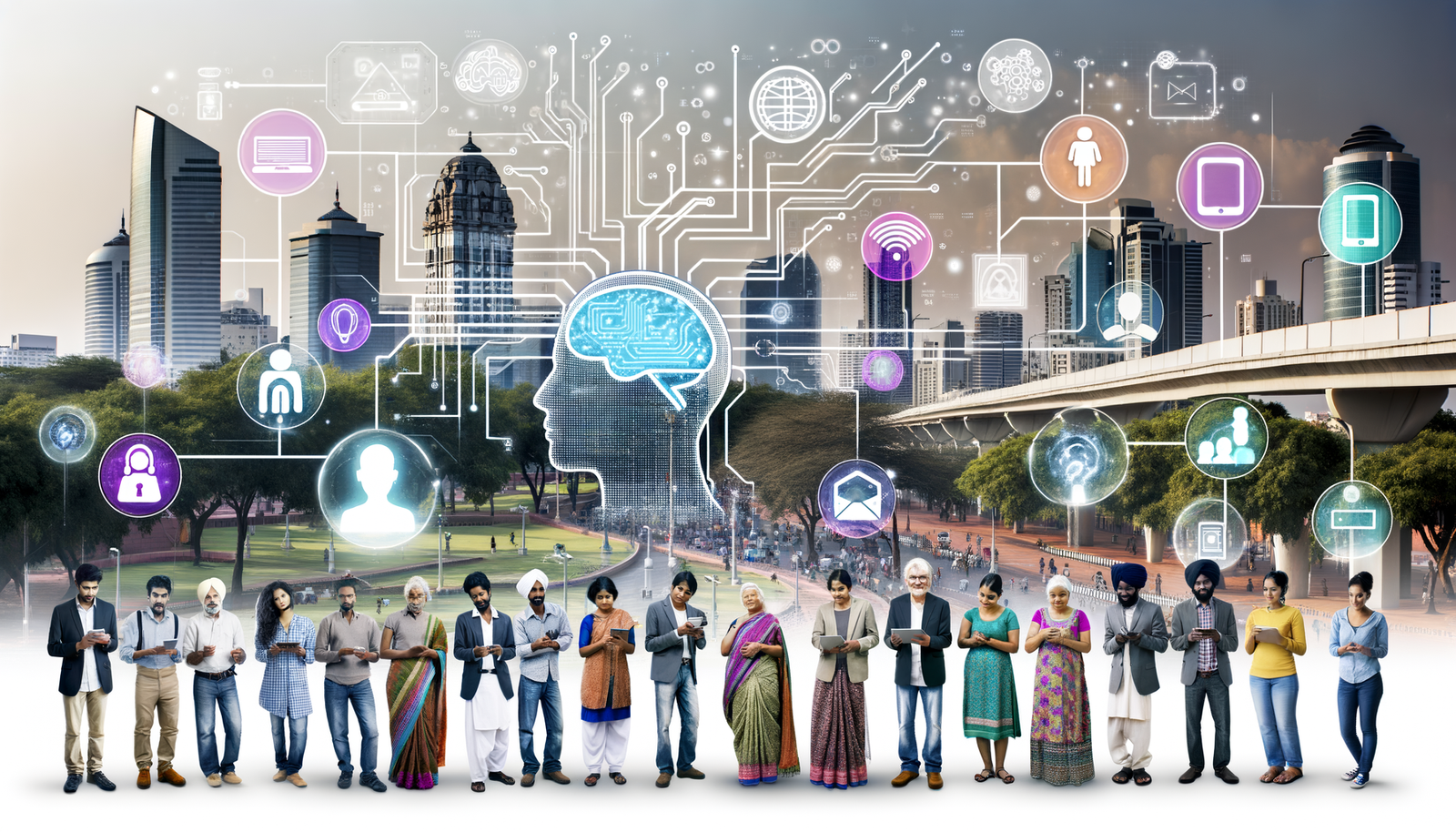
In the realm of technological advancement, revolutionizing Indian AI hinges on the effectiveness of Digital Public Infrastructure (DPI). The impact of DPI lies not only in its accessibility but also in the robust infrastructure that supports it. The success of DPI for AI is fundamentally linked to the quality and availability of this infrastructure, along with the depth of the model and algorithmic ecosystem surrounding it. A well-structured DPI can facilitate groundbreaking innovations, driving sustainable growth and improving everyday lives, thus positioning India at the forefront of the global AI landscape.
Revolutionizing Indian AI: The Impact of Digital Public Infrastructure
As we stand on the cusp of a digital revolution, the potential for Artificial Intelligence (AI) to reshape societies and economies is now more tangible than ever. In India, the convergence of AI and Digital Public Infrastructure (DPI) holds promise, offering pathways towards innovation that can elevate the country on a global stage. This article embarks on an enlightening exploration of how DPI is not just a facilitator for AI but a powerhouse that could redefine the narrative of technology in India.
Understanding Digital Public Infrastructure
Before diving deeper, let’s first unravel what we mean by Digital Public Infrastructure. DPI encompasses the digital systems and frameworks that enable the provision of services to the public and enhance the delivery of governmental and private services. This infrastructure often includes cloud storage, connectivity technologies, and open-source platforms that are the backbone of data-driven governance. Think of DPI as the essential building blocks of a digital society; without them, the soaring potential of AI could be stifled.
The Symbiotic Relationship between AI and DPI
At this juncture, one must appreciate the symbiotic relationship between AI and DPI. AI thrives on data, and DPI provides the necessary landscape to access, analyze, and utilize this data effectively. With the Indian government’s push toward digitization, leveraging DPI becomes fundamental for enhancing AI capabilities. So, what does this mean for industries like healthcare, agriculture, and education? A treasure trove of possibilities!
- Healthcare: Imagine an AI that can predict diseases based on vast datasets of patient histories and treatment outcomes. With DPI managing sensitive healthcare data and ensuring interoperability, AI can act swiftly and accurately to save lives.
- Agriculture: Farmers can access real-time weather updates and market prices through a well-integrated DPI. AI algorithms can analyze this information, helping farmers optimize their crop yields and maximize profits.
- Education: Accessibility to learning resources is drastically improved with DPI, allowing AI to personalize learning experiences. It can identify students’ strengths and weaknesses, tailoring content accordingly.
Enhancing Accessibility and Inclusivity
One of the notable strengths of a digital infrastructure is its ability to democratize access to resources. This is particularly transformative in a diverse country like India, where disparities often exist. With proper DPI in place, the dream of providing high-quality AI solutions to every corner of the nation is becoming possible. Indeed, the aim should not just be to innovate but to ensure that these innovations reach the underprivileged and marginalized communities as well.
Building Trust through Transparency
Transparency is an often-overlooked element in the realm of AI. Governments and organizations need to build trust with their citizens regarding how data is managed and utilized. DPI can play a pivotal role in enhancing transparency by ensuring that data practices are visible and understandable. AI systems built upon a solid DPI framework can better explain their decision-making processes, thus alleviating fears and fostering acceptance among users.
Learning from Global Examples
India isn’t venturing into the unknown alone. Many global examples underline the effectiveness of combining AI and DPI. Countries like Estonia and Singapore have established robust digital infrastructures that have successfully integrated AI into their public services. For instance, Estonia has implemented e-governance systems that rely heavily on DPI to facilitate everything from voting to tax filings online—streamlining processes for citizens while simplifying government operations.
By studying these international success stories, India can draw lessons on best practices, as well as potential pitfalls to avoid. It’s about taking these templates and localizing them to fit the unique Indian context, ensuring that our solutions are not only innovative but also culturally compatible.
The Role of Government and Private Sector Collaboration
The revolutionizing of Indian AI through DPI is not a solitary effort. It requires concerted collaboration between the government and the private sector. Public-private partnerships will be essential as we harness the capabilities of emerging technologies. The government can provide the regulatory framework and ensure that DPI is accessible to all, while the private sector can contribute through technological expertise and investment.
- Stimulating Innovation: The private sector’s role is vital in creating innovative solutions, leveraging the DPI as a fertile ground to experiment and iterate.
- Scaling Solutions: The synergy between government initiatives and private innovations can significantly aid in scaling successful models rapidly across the nation.
- Addressing Local Needs: Insights from the private sector can guide the government in tailoring DPI initiatives to tackle specific regional needs, ensuring localized solutions.
Challenges on the Horizon
While the benefits of combining AI with DPI are tantalizing, challenges remain. For instance, the digital divide in India, where some regions are still grappling with basic internet access, poses a significant hurdle. Additionally, data privacy and security concerns must be addressed to gain public trust. These challenges shouldn’t deter progression; instead, they should invigorate a commitment to developing inclusive, secure infrastructures.
The Future is Bright with DPI
Looking ahead, the prospect of revolutionizing Indian AI with a strong foundation of Digital Public Infrastructure is bright indeed. With a focus on sustainable practices, the technology developed today will pave the way for future generations. This evolution can create a cascading effect—improving services, fostering economic growth, and, ultimately, enhancing the quality of life for millions.
To wrap it up, DPI is the unsung hero in this narrative, enabling AI-driven solutions and accelerating India’s journey towards becoming a leader in the world of technology. As we continue to innovate, it is imperative to keep DPI at the forefront of our efforts, ensuring that no one is left behind in this digital age.
In a world that is increasingly shaped by technology, the importance of a robust Digital Public Infrastructure cannot be overstated. By integrating AI with DPI, India stands ready to harness the power of the future, creating seamless access to a plethora of services for everyone. It’s an exciting time to be part of this evolution, and together, we can shape a brighter, more inclusive tomorrow.
For more insights into how advanced technologies are making an impact, check out Neyrotex.com.