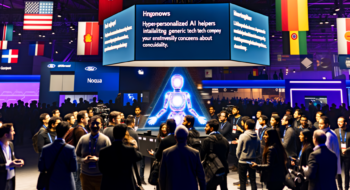
Revolutionizing Healthcare: The Future of AI in Medicine
As we stand at the forefront of a technological revolution, the healthcare landscape is shifting dramatically. With a surge in investments in digitalization and Artificial Intelligence (AI), the future looks brighter than ever. Welcome to the era of “Revolutionizing Healthcare: The Future of AI in Medicine,” where the integration of MedTech and HealthTech is poised to transform patient care and streamline operations. This burgeoning synergy promises innovation and efficiency, empowering healthcare professionals to harness the full potential of technology in improving outcomes and accessibility. Exciting advancements lie ahead, shaping a healthier tomorrow for all.
The Current Landscape of AI in Medicine
Artificial Intelligence isn’t just a buzzword; it’s changing the way we diagnose, treat, and manage health. Innovations in AI are rewriting the rules for medical professionals and patients alike. In fact, the global AI in healthcare market is projected to reach a staggering $190 billion by 2025. This growth is driven by the promise of improved diagnostic accuracy, increased efficiency, and enhanced patient outcomes.
From intricate algorithms that sift through mountains of medical data to advanced imaging techniques that reveal hidden anomalies, AI is leaving no stone unturned. The rise of machine learning—one of the subfields of AI—has opened up avenues for predictive analytics, truly revolutionizing healthcare practices. When data meets AI, magic happens!
Precision Medicine: A Niche Fueled by AI
Precision medicine, which tailors treatments based on the individual characteristics of each patient, stands at the forefront of this transformation. AI fuels this arena with tools that analyze genetic data, lifestyle factors, and environmental influences. Imagine a world where your treatment plan is customized down to your DNA! With the help of AI, physicians can now prescribe the most effective medications with far higher precision than ever before.
- Improved Drug Development: AI accelerates the drug discovery process, potentially saving millions of lives and billions of dollars.
- Tailored Treatments: AI can utilize vast amounts of data to develop personalized treatment regimens.
- Enhanced Risk Assessment: AI algorithms can identify genetic predispositions to diseases, allowing for earlier interventions.
AI Diagnostics: An Enhanced Eye for Detail
When it comes to diagnostics, time is of the essence. Any delay can compromise the effectiveness of treatment, and AI has emerged as a proactive solution to this challenge. By analyzing medical images with pixel-perfect precision, AI applications assist radiologists in early disease detection.
For instance, AI tools can spot anomalies on X-rays and MRIs that even seasoned eyes might miss. Furthermore, they do this while minimizing human error and fatigue. Technology is not meant to replace healthcare professionals; it’s here to augment their abilities!
Examples of AI in Diagnostics:
- Radiology: AI-powered software can evaluate images to detect lung cancer, fractures, and tumors.
- Cardiology: Machine learning algorithms can analyze ECG readings to predict arrhythmias.
- Pathology: AI tools help identify cancerous cells in biopsy samples with remarkable accuracy.
Telemedicine: The AI Connection
The COVID-19 pandemic accelerated the adoption of telemedicine, and AI has played a pivotal role in this transformation. More than just an alternative method of healthcare, telemedicine fueled by AI is shaping a future where access to healthcare is just a click away.
Imagine a world where patients can consult with their doctors without the hassle of commutes and waiting rooms. AI-driven chatbots and virtual assistants are being widely used to triage patients, schedule appointments, and even provide medical advice. AI not only streamlines processes but also ensures patients receive timely care.
AI and Predictive Analytics: Anticipating Healthcare Needs
Predictive analytics utilize historical data to forecast future medical events. By leveraging AI algorithms, healthcare providers can identify at-risk populations, better manage chronic diseases, and improve resource allocation. With early intervention, we could see not just healthier populations but also significant savings in healthcare costs.
- Chronic Disease Management: Predictive models help track patients’ conditions, ensuring timely interventions and potentially preventing hospitalizations.
- Resource Management: Hospitals can utilize AI for better staffing and inventory management, resulting in reduced costs and improved patient experiences.
The Power of Data
The backbone of AI in predictive analytics is the quality and quantity of data it analyzes. However, handling this data comes with ethical responsibilities. Ensuring data privacy, informed consent, and equality in healthcare access must be prioritized to preserve trust in AI-driven methods.
How AI Empowers Healthcare Workers
While AI brings a wealth of technology into healthcare practices, it’s essential to recognize how it empowers healthcare professionals. By automating mundane tasks and analyzing complex data, AI gives healthcare workers more time for what truly matters—patient care.
Examples of AI Supporting Healthcare Workers:
- Documentation Automation: AI tools can automate charting and documentation, reducing the administrative burden on doctors.
- Clinical Decision Support: AI offers real-time insights into patient data, enabling informed decision-making.
- Workflow Optimization: AI solutions streamline scheduling and task allocation, improving overall efficiency.
Fostering a robust partnership between AI technology and healthcare professionals is crucial. As these tools become commonplace, ongoing training and transparency will empower medical staff to integrate this innovation seamlessly into their practices.
Ethical Considerations: The Path to Responsible Innovation
With great power comes great responsibility. The integration of AI into healthcare raises important ethical questions about data privacy, accountability, and decision-making. Ensuring that AI systems are fair, transparent, and equitable is paramount to minimizing biases and maximizing benefits.
Additionally, as AI systems gain ground, addressing issues related to job displacement within the healthcare sector becomes necessary. It’s critical to emphasize that AI is meant to assist, not replace human professionals. As we continue to navigate this evolving landscape, fostering an inclusive dialogue among stakeholders will ensure that no one is left behind.
The Future: What Lies Ahead?
The journey into the era of AI in medicine is only just beginning. As technology continues to advance, the possibilities expand, promising groundbreaking innovations and transformations in healthcare. Imagine AI enabling faster drug approvals, virtual reality (VR) creating immersive treatment environments, and wearable technology continuously monitoring patient health—it’s all within reach!
The inevitable integration of AI and Medicine presents remarkable potential for retraining healthcare systems globally, addressing public health crises, and improving healthcare access in underserved regions. But remember, “with great innovation comes great responsibility.” Balancing technology with compassionate care should always remain at the forefront of this revolution.
Conclusion
In summary, the future of healthcare is being reshaped by AI in unprecedented ways. From enhancing diagnostics to enabling personalized treatments, the promise of innovation is brighter than ever. As we embrace the era of “Revolutionizing Healthcare: The Future of AI in Medicine,” our commitment to ethical and responsible AI advancements will determine the impact on society and the success of this transformational journey echoes through time and health care.
To dive deeper into the gifts and possibilities of AI in medicine, visit Neyrotex.com. Here’s to a healthier future—may technology continue to hold your hand in this revolutionary journey!